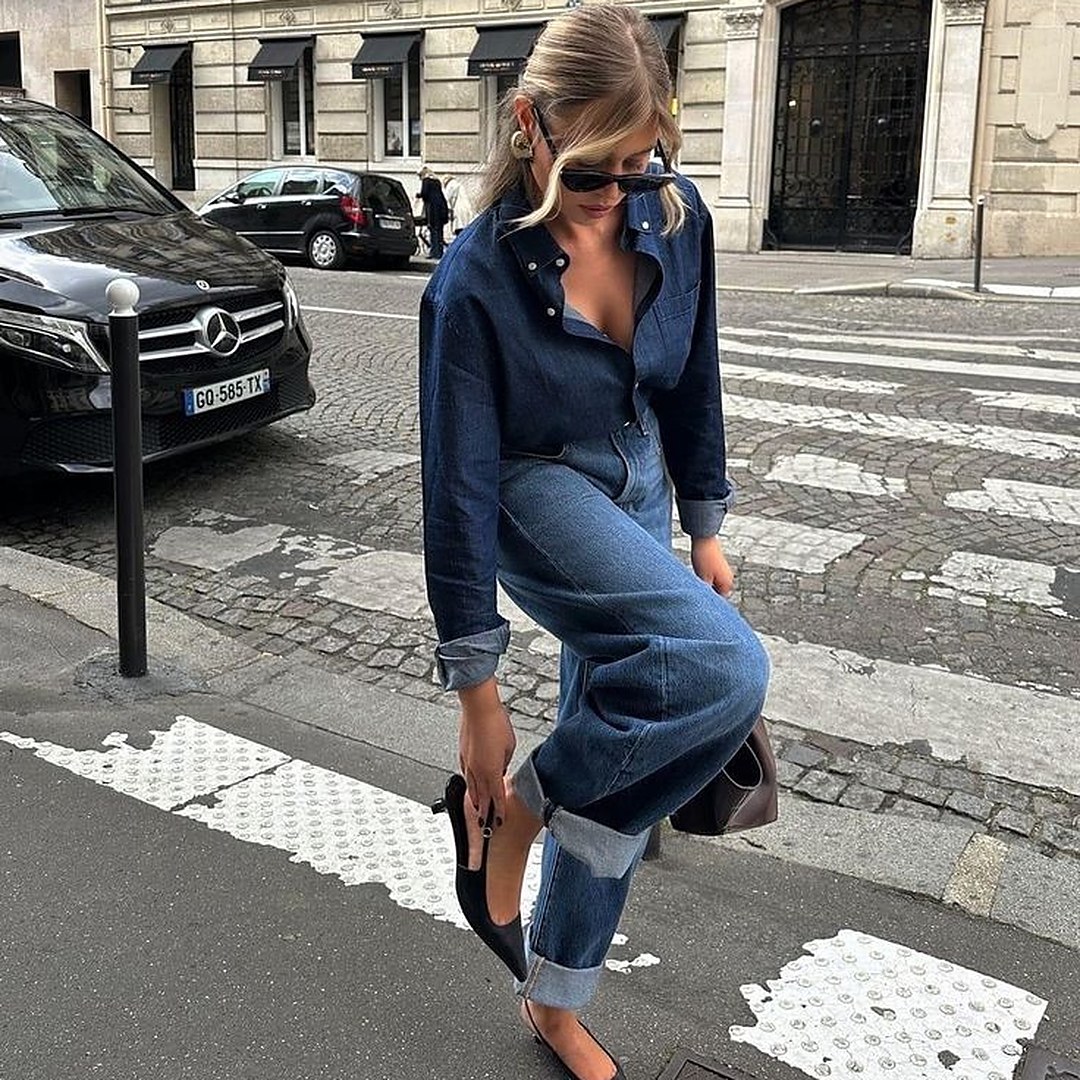
In brief
There is no universally right jean, only the right effect for your body and the shoes you own. A high rise lengthens the leg line, a straight or slim leg keeps proportions calm, a wide leg or bootcut balances the hips and asks for a long hem, and a barrel adds curved volume that wants a defined top half. Settle the hem with the shoes you will actually wear: grazing the top of the foot in flats, almost at the floor in heels.
Six pairs on the hook, the same size printed on every label, and each one tells a different story in the fitting room mirror. One makes your legs look endless, another cuts you off at the calf, a third is perfect until you put on your everyday trainers. The problem is rarely your body. A jean is three decisions sewn together: where it sits on the waist, how the leg falls, and where the hem stops.
Once you read every pair through those three questions, the fitting room becomes a short visit rather than a lost afternoon.
Start with the rise
The rise is the distance between the crotch seam and the top of the waistband, and it decides where your silhouette is divided in two. A high rise sits at or near the natural waist, so the leg visibly starts higher. It is the easiest choice if you like to tuck in a shirt, wear cropped knits, or simply want the leg to read longer.
A mid rise sits a little lower, around the top of the hip bones. It is often more comfortable if you sit all day, and it suits a longer torso that does not need the extra height, or anyone who prefers tops worn loose over the waistband. Neither is better: the right rise is the one where the waistband lies flat, without gaping at the back or pressing at the front.
A practical check: sit down in the fitting room. If the waistband digs in or slides, that rise is wrong for you, whatever the label promises.
Straight and slim, the quiet classics
The straight leg falls in one vertical line from hip to hem. It barely changes the silhouette, which is exactly its strength: it works on curvy figures, slender figures and everything in between, and it is the cut most likely to still look current in five years. Choose a slightly relaxed straight if you want ease through the thigh, a narrower one if you plan to wear it with ankle boots.
The slim leg follows the leg more closely without clinging like a skinny. It is the natural partner for long knits, oversized blazers and tunic shirts, because volume on top needs a lean line below. If you love generous tops, this is your everyday jean.
Both cuts look sharpest when the hem stops at or just above the ankle bone in flats, so the shoe stays visible and nothing bunches.
A week with Atelier Faubourg
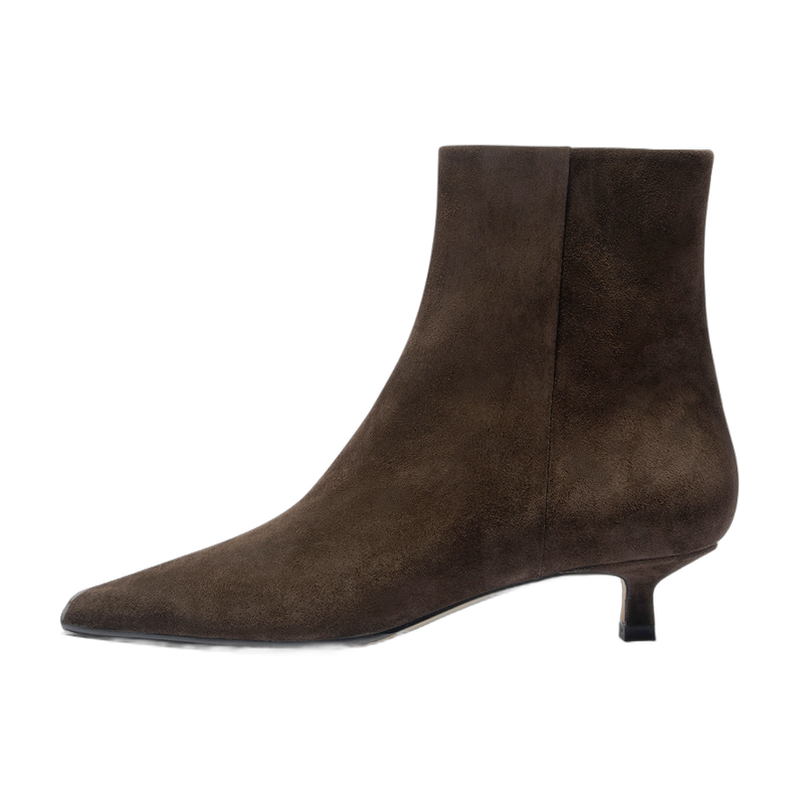
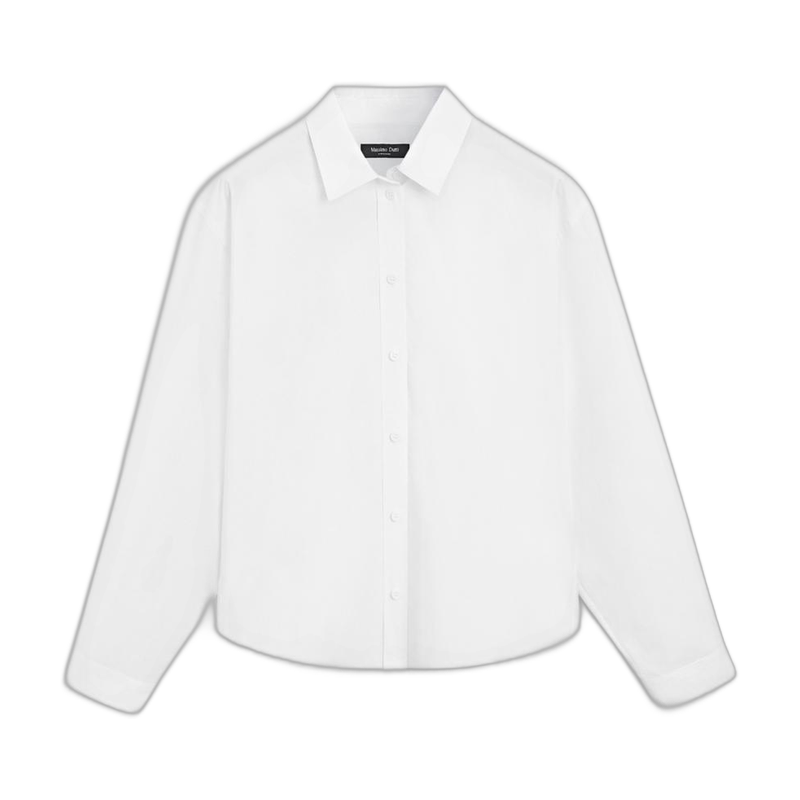
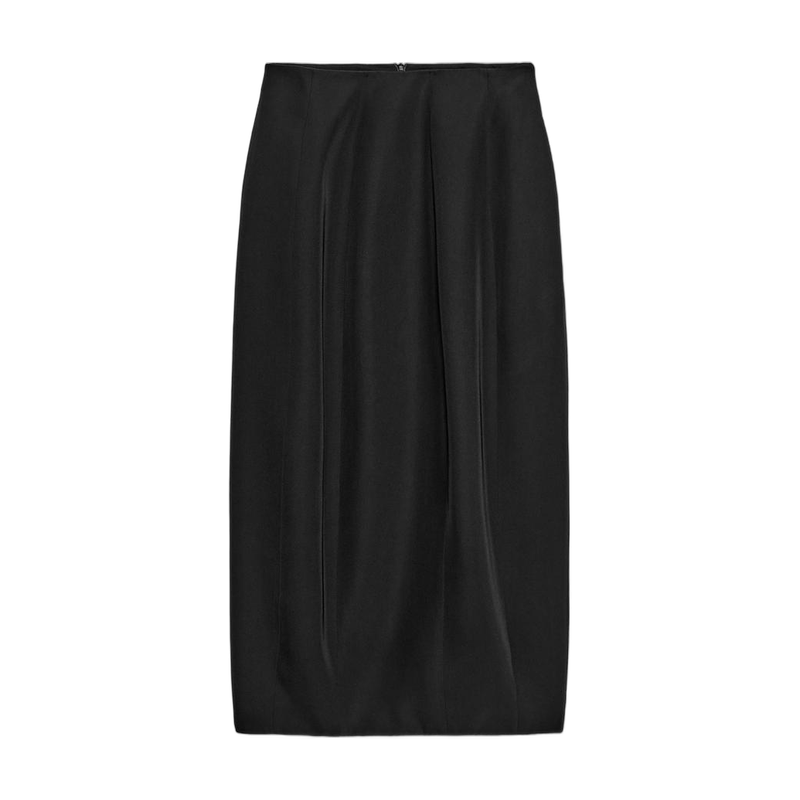
Every day has its outfit, made for what you do that day.
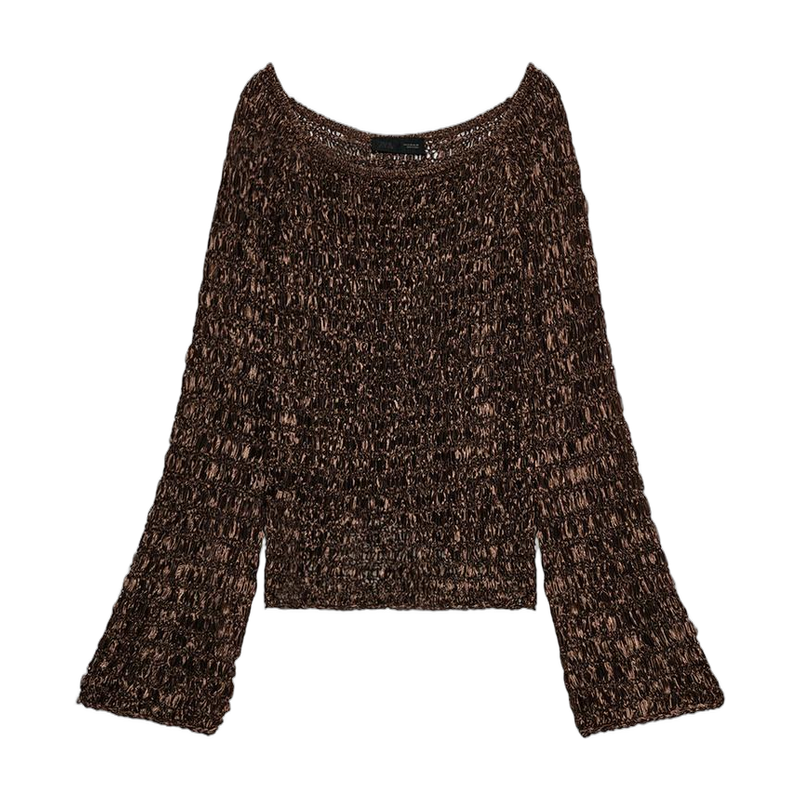
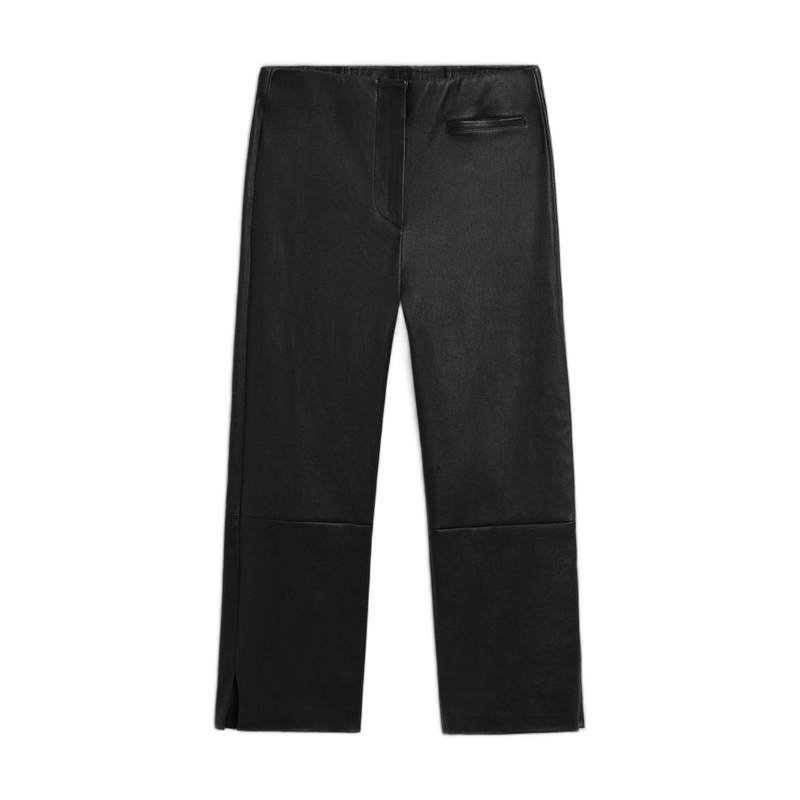
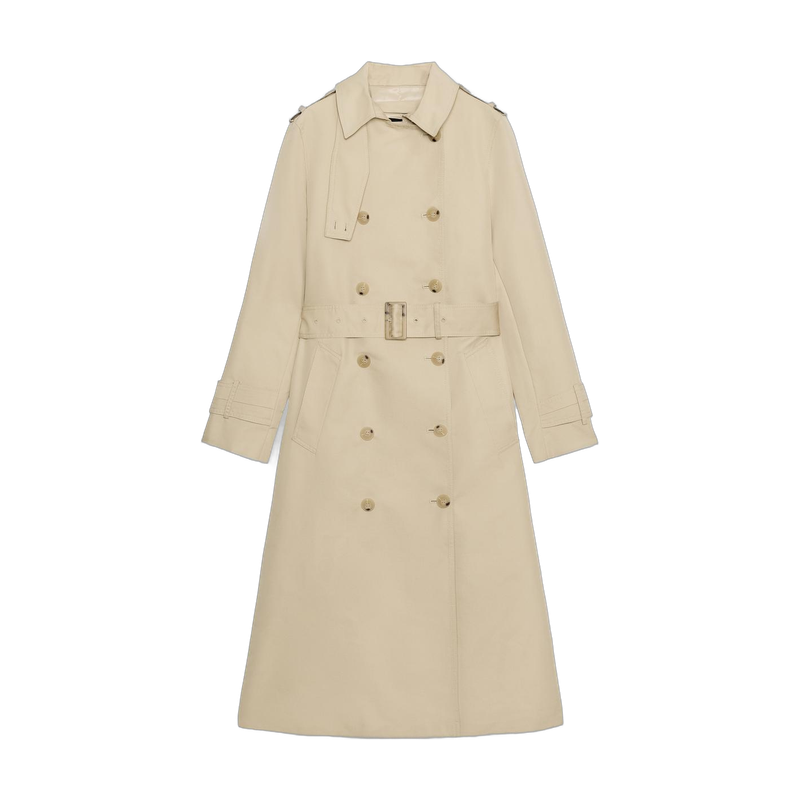
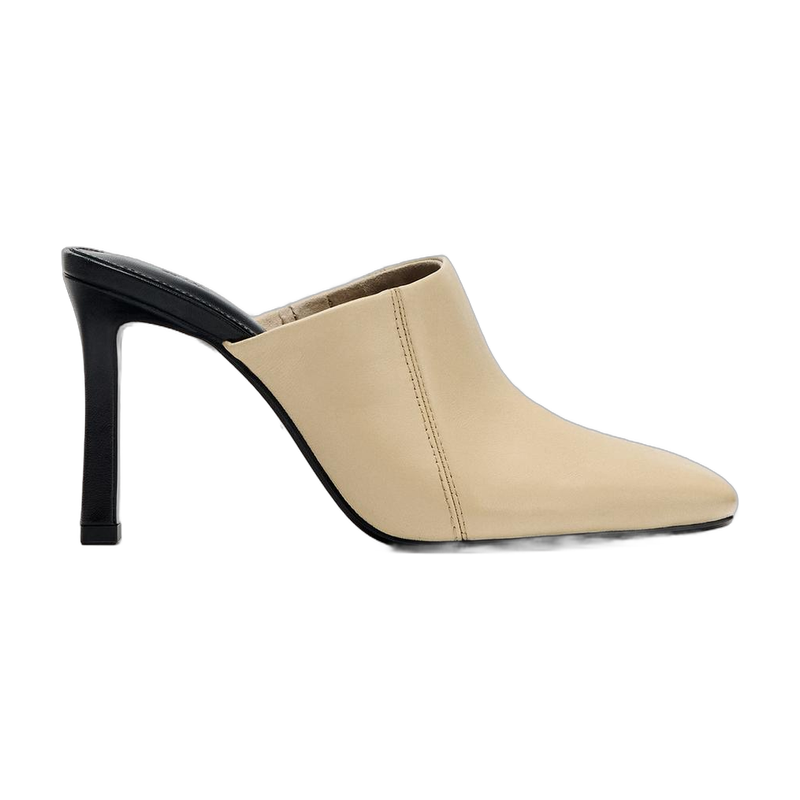
Monday
Work
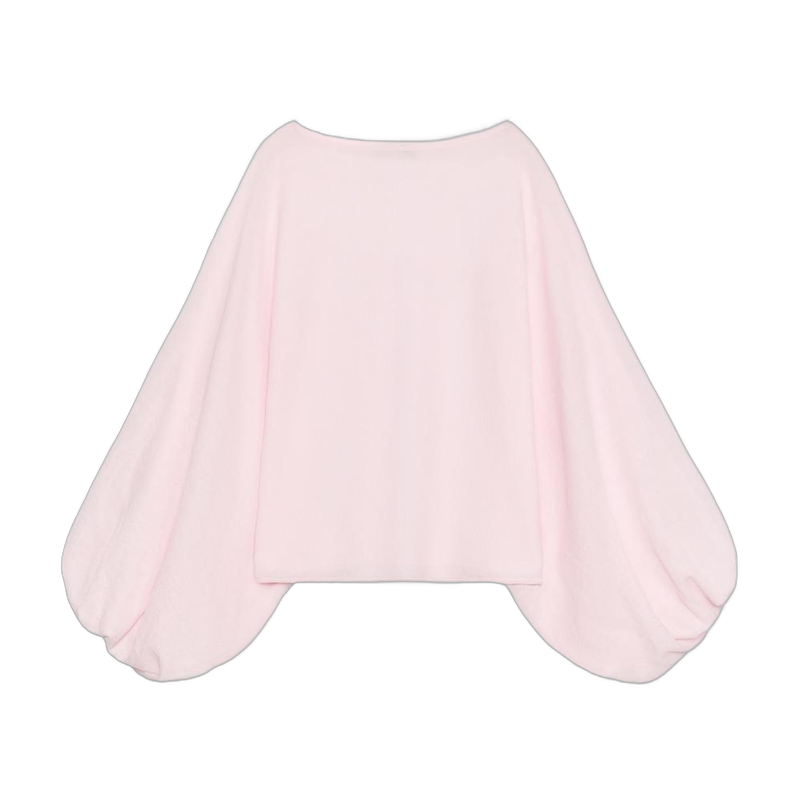
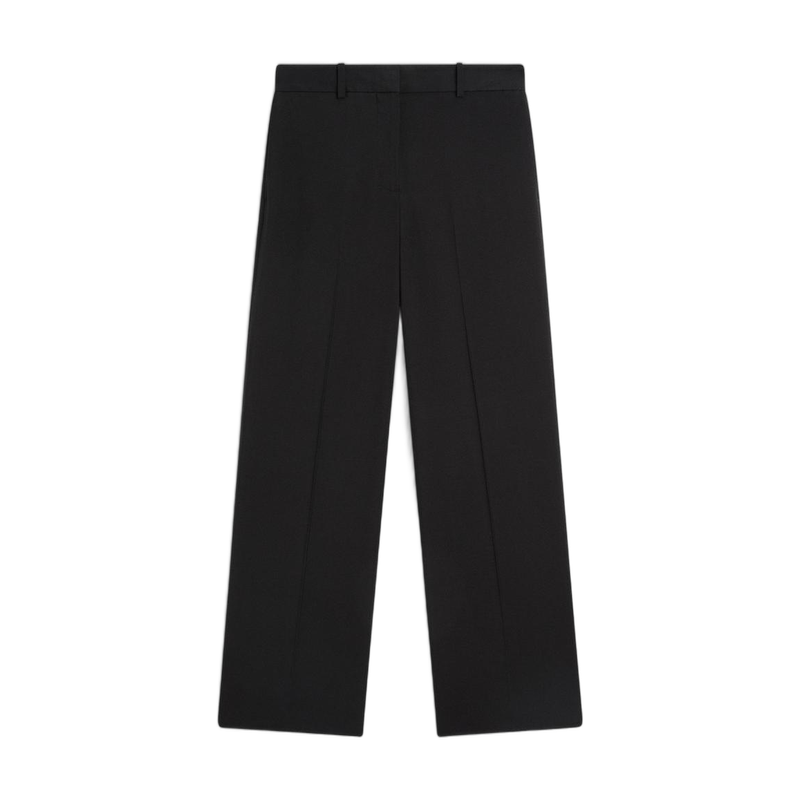
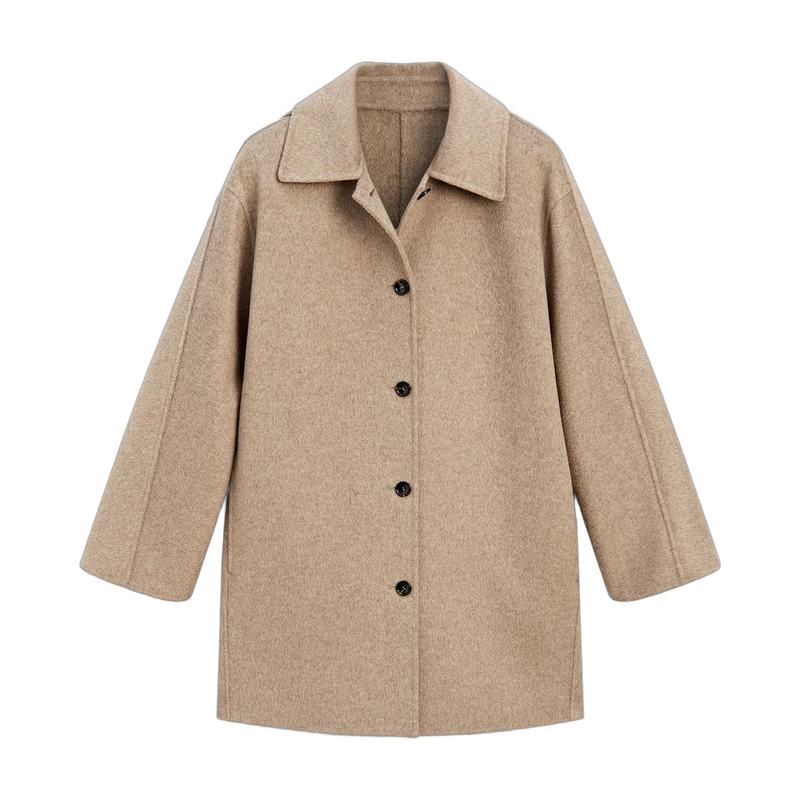
Tuesday
Everyday
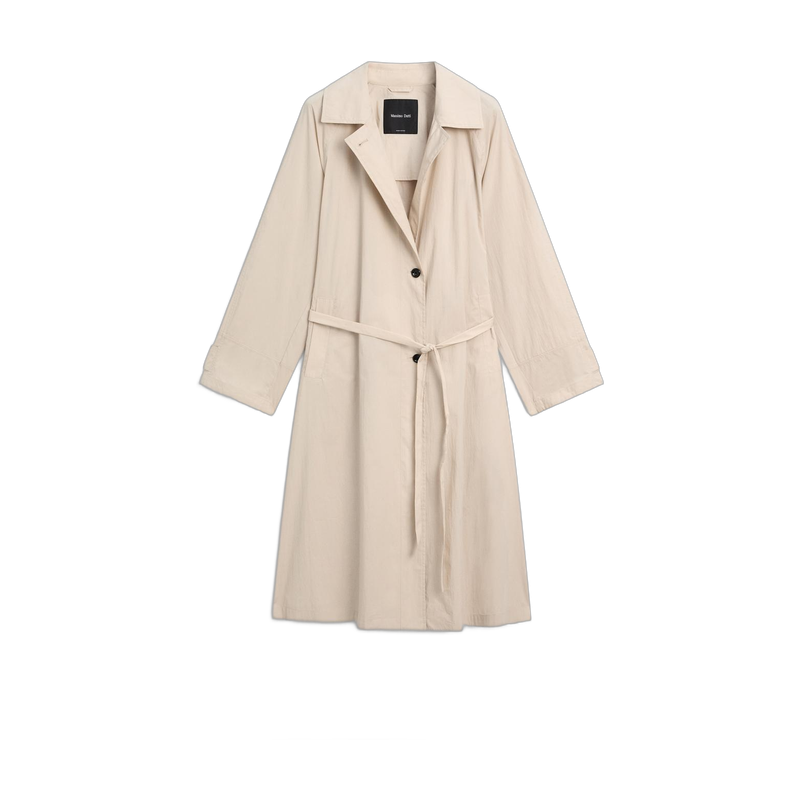
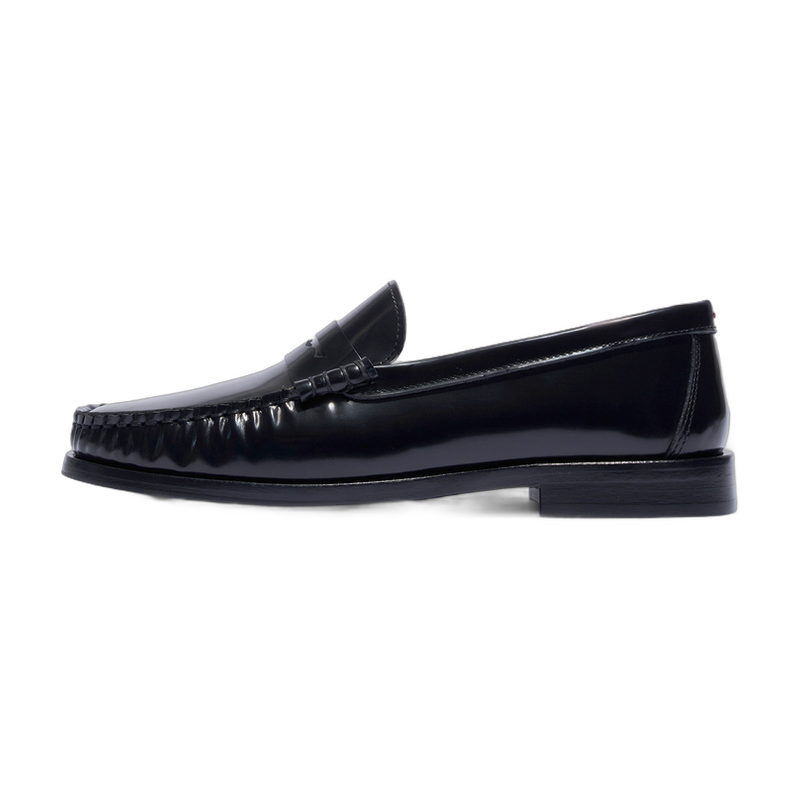
Wednesday
Travel
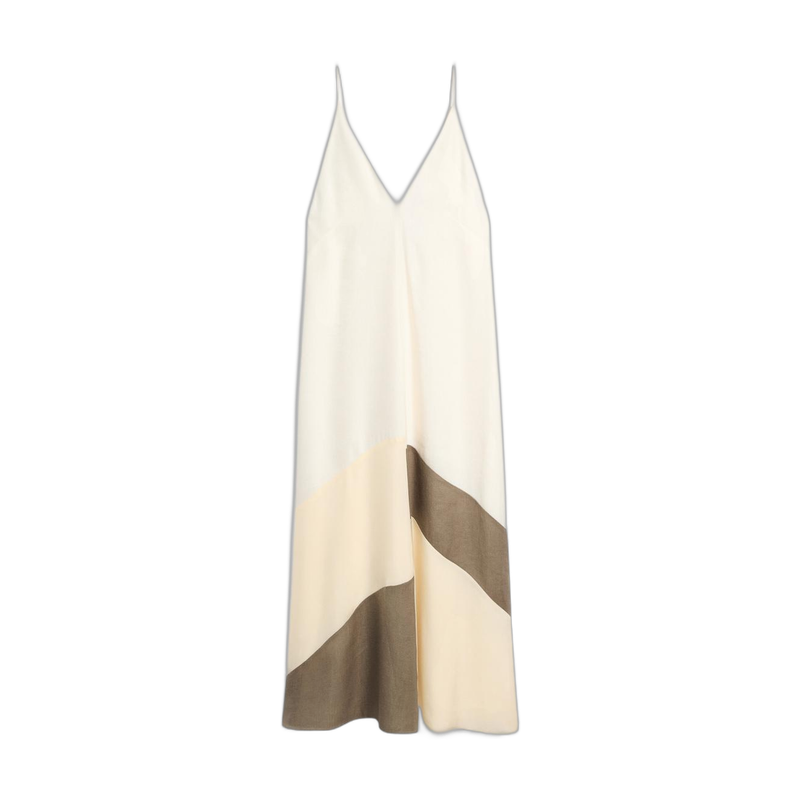
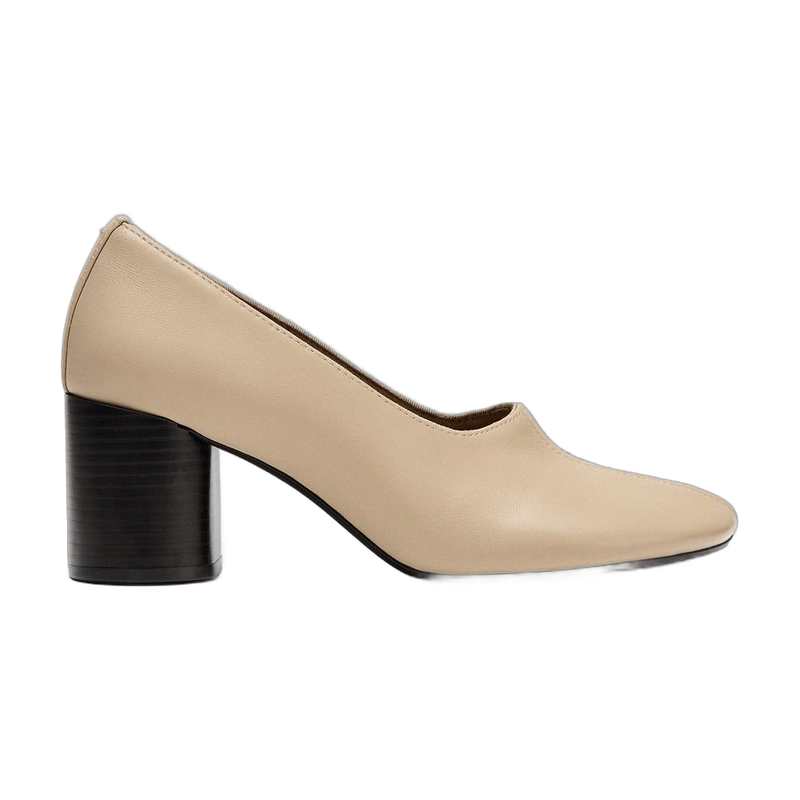
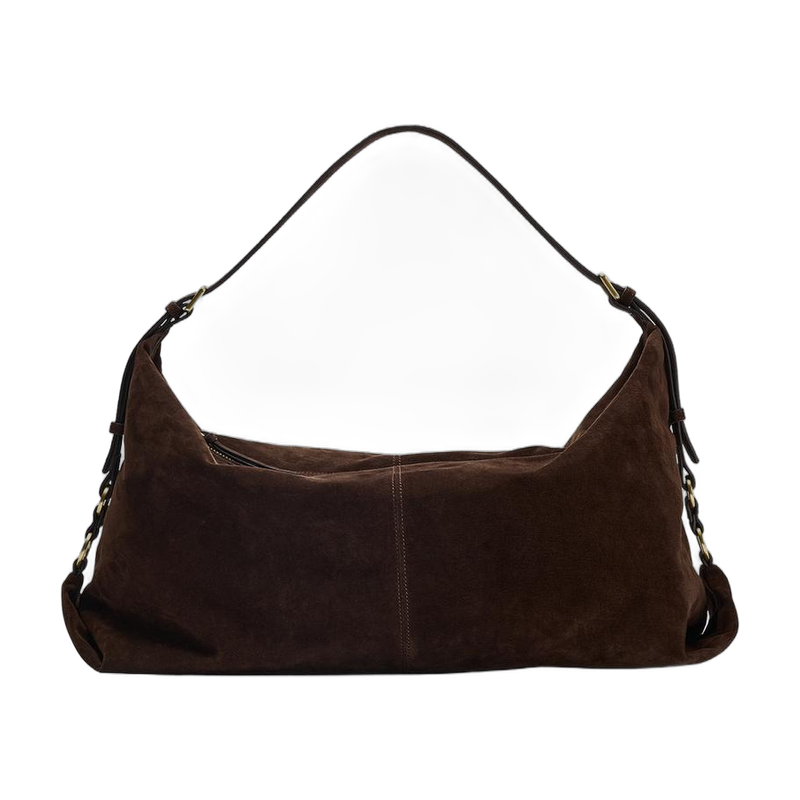
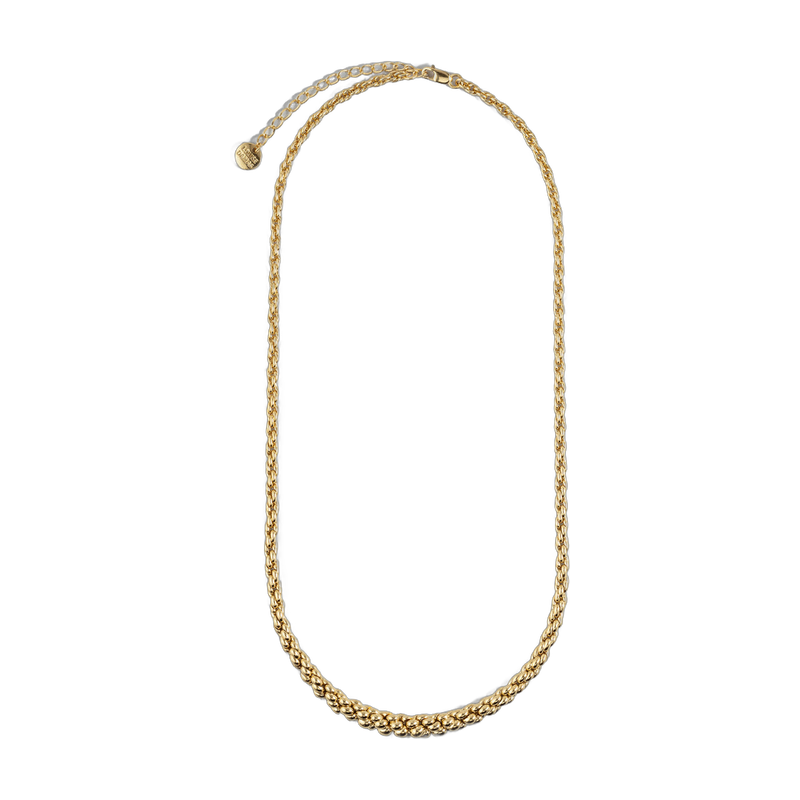
Thursday
Evening
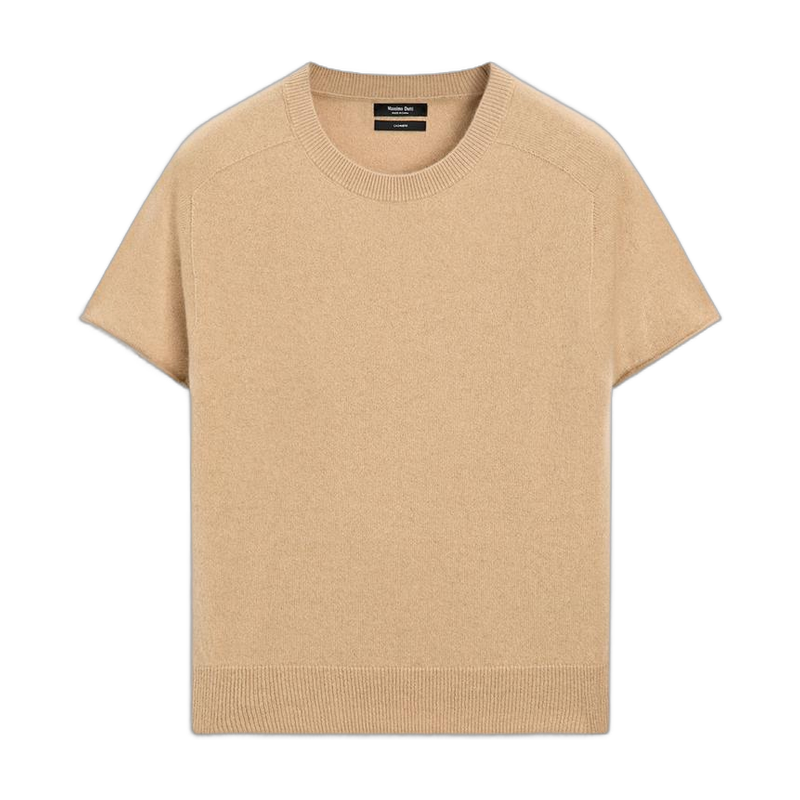
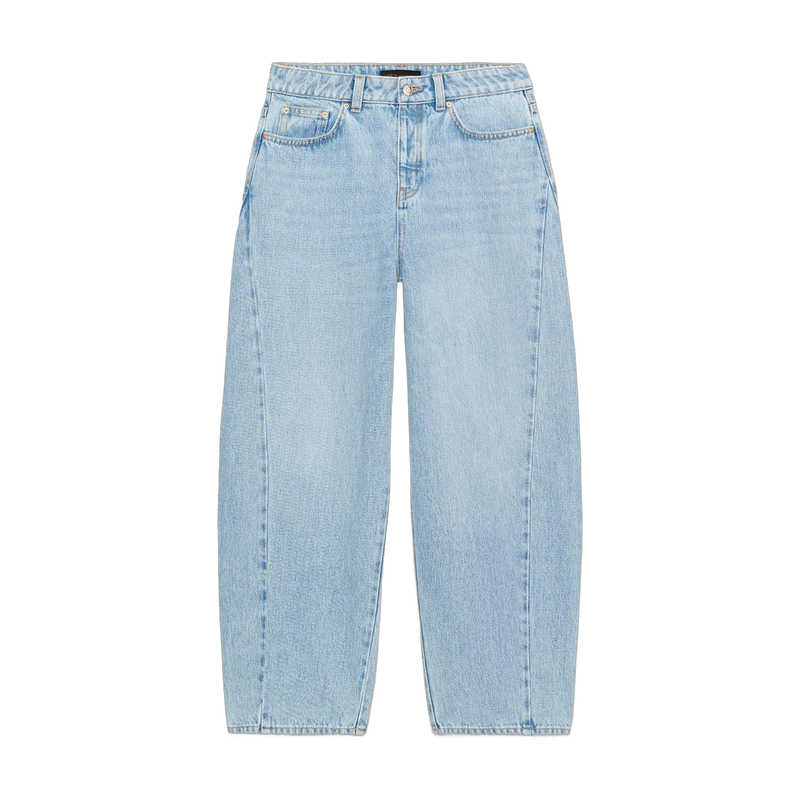
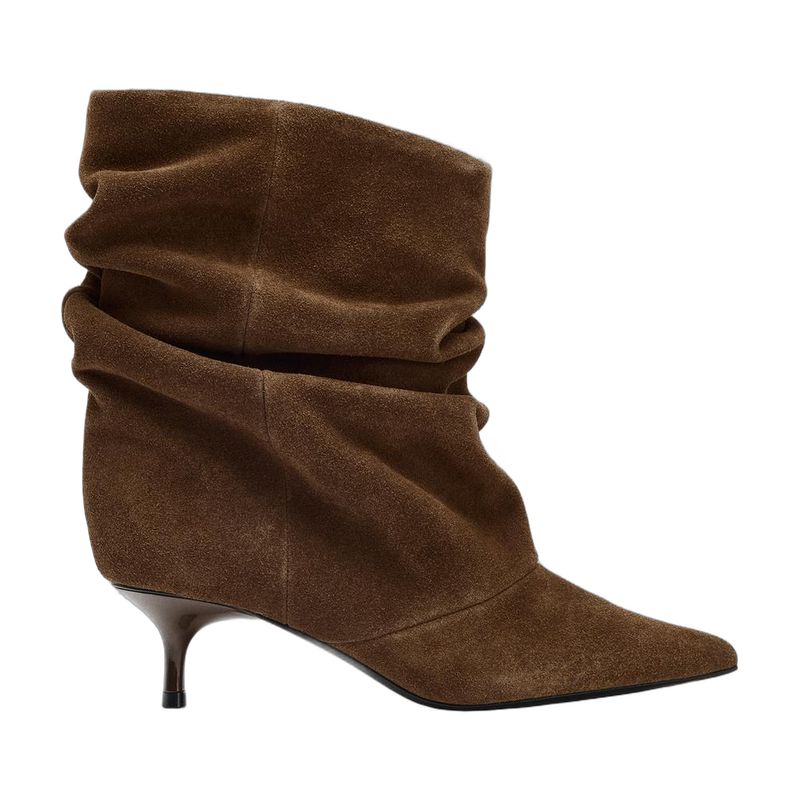
Friday
Work
Wide leg and bootcut, all about length
The wide leg drops from the hip in fabric that skims rather than follows. It creates a long, fluid column, balances fuller hips and adds shape to a straighter frame. Its one condition is length: cut too short, it widens the silhouette; cut long, it lengthens everything.
The bootcut is the wide leg's more measured cousin, fitted through the thigh and opening gently from the knee. Its origin explains its design. According to Levi's, the brand introduced its 517 Boot Cut in 1969 as "full from the knee for the boot." That flare still does the same job: it falls cleanly over a boot and balances the hip with a touch of width at the hem.
Both cuts are at their best with a heel or a heeled boot, but they work with flats if the shoe is sleek: a pointed ballet flat, a slim trainer, a loafer with a fine sole.
Barrel, volume with intention
The barrel leg is fitted at the waist, curves out through the thigh and knee, then tapers back towards the ankle. It went from curiosity to staple remarkably fast. According to WWD, the Horseshoe jean by Citizens of Humanity, launched in fall 2021 and at first judged too directional, had become a best seller by fall 2023, tripling its sales on the previous year.
Because the volume sits in the middle of the leg, the barrel likes a defined top half: a tucked shirt, a short fitted knit, a cropped jacket. It is a lovely option for a straight or athletic frame, and if your legs are on the shorter side you can wear it too, with the hem at the ankle and a shoe with a little height or a pointed toe.
The one mistake to avoid is a barrel that is too long. The taper has to finish at the ankle; if the fabric pools on the shoe, the curve disappears.
Hem, inseam and shoes
The inseam is the length of the inner leg seam, measured, as Levi's explains, from the crotch to the hem. As a starting point, the brand's size chart suggests a 28 inch inseam for women 1.50 m or shorter, 30 inches between 1.58 and 1.60 m, 32 inches between 1.64 and 1.70 m and 34 inches from 1.76 m. Treat these as a base, then adjust to the cut and the shoe.
Where the hem should fall depends on the leg. Straight and slim: at or just above the ankle bone in flats, a touch lower in heels. Wide leg and bootcut: grazing the top of the foot in flats, almost at the floor in heels, with only the toe showing. Barrel and cropped styles: at the ankle, whatever the shoe.
The simplest rule of all: take the shoes you wear most to the tailor. A wide leg hemmed for heels will drag with trainers, so if you switch between the two, own two lengths rather than settle for a compromise. A stylist who knows your shoes can make this call for you, piece by piece.
Back in the fitting room, the six pairs on the hook are no longer a lottery. Rise, leg, hem: three questions, and the mirror finally tells the same story as the label.
FAQ
Which jean cut suits the most body types?
The straight leg is the most versatile, because it falls in a single line from hip to hem without exaggerating or hiding anything. A slightly relaxed straight with a high or mid rise works on most figures and in most wardrobes.
Should I choose a high rise or a mid rise?
Choose a high rise if you want a longer leg line or like to tuck tops in. Choose a mid rise for comfort when sitting or if you wear tops loose; the right rise is always the one that lies flat without gaping or pressing.
How long should wide leg jeans be?
In heels, the hem should almost touch the floor, leaving the toe visible. In flats, it should graze the top of the foot; if you wear both, have one pair hemmed for each.
The Atelier Faubourg styling team
Each month, our stylists compose your outfit plan from your answers, your sizes and your real life.
You may also like

Style
The five colours that go with everything you already own
Navy, camel, ivory, grey and one earth tone: five neutrals that finally connect the pieces already in your wardrobe.
Style
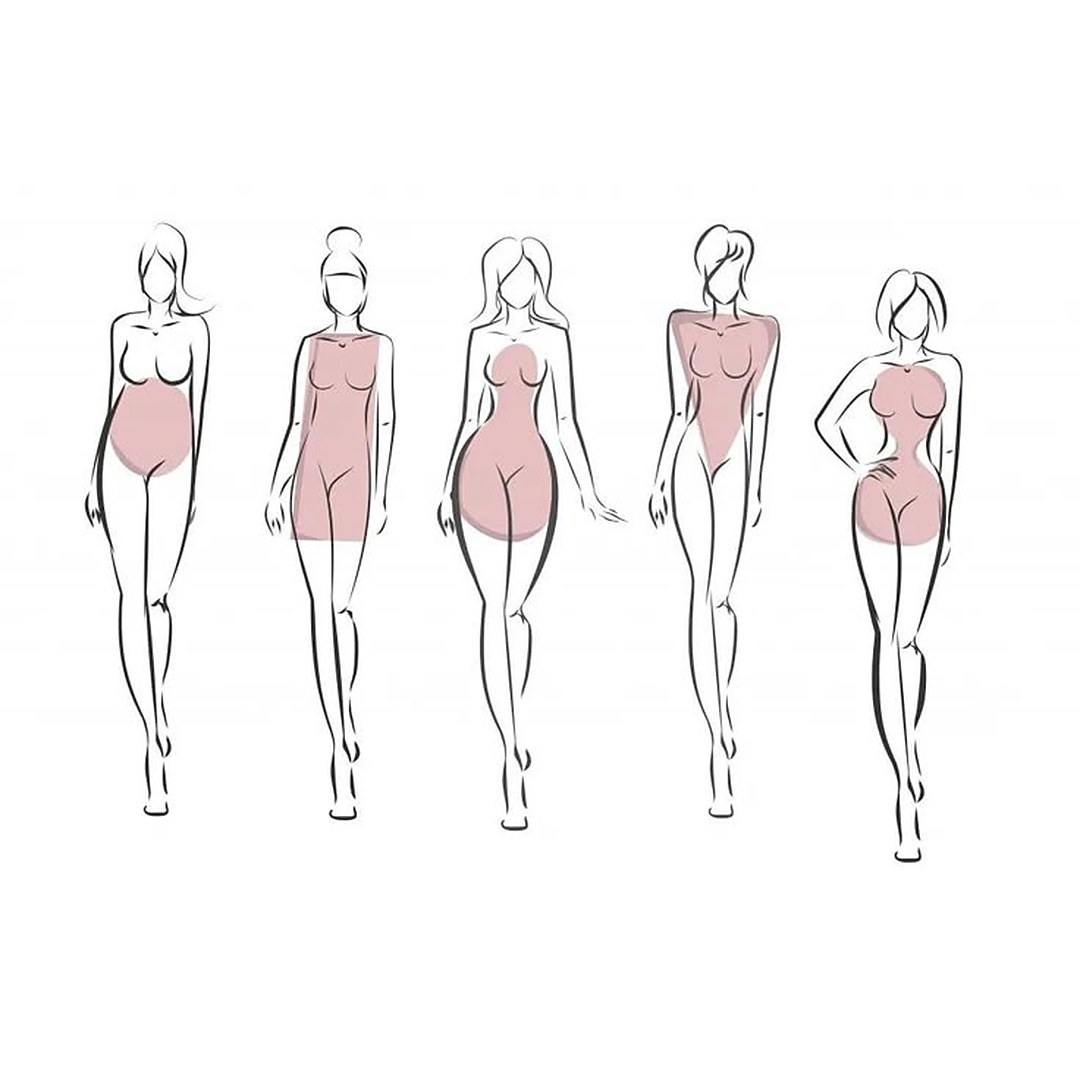
Your body shape in four measurements: what it really changes
Shoulders, bust, waist, hips: how to measure them, how to read your silhouette, and what it changes when you choose cuts and sizes.

Style
The autumn capsule: 15 pieces from October to December
About fifteen pieces, a quiet base, a few layers and one or two accents: how to build an autumn capsule that carries you from October to December.