
In brief
Five neutrals go with almost everything you already own: navy, camel, ivory, grey and one earth tone such as olive or chocolate brown. They work because they carry little colour of their own, so they partner with prints, brights and each other. Choose the shade of each one according to your undertone, then let a single accent colour do the talking.
It is a Monday in October and the wardrobe is full. There is the coral blouse from the holiday, the green trousers from the sale, the printed skirt that looked so right in the shop. Each one is lovely on its own; together they refuse to speak. The problem is rarely the number of pieces. It is that nothing in between connects them.
Why neutrals do the heavy lifting
According to the UK charity WRAP, around 30% of the clothing in the average wardrobe has not been worn for at least a year. Its research names fit as the most common reason, but anyone who has stood in front of a full rail knows another one: pieces that have no partner. A neutral solves that by being quiet. It carries little colour of its own, so it can sit beside a print, a bright or another neutral without starting an argument.
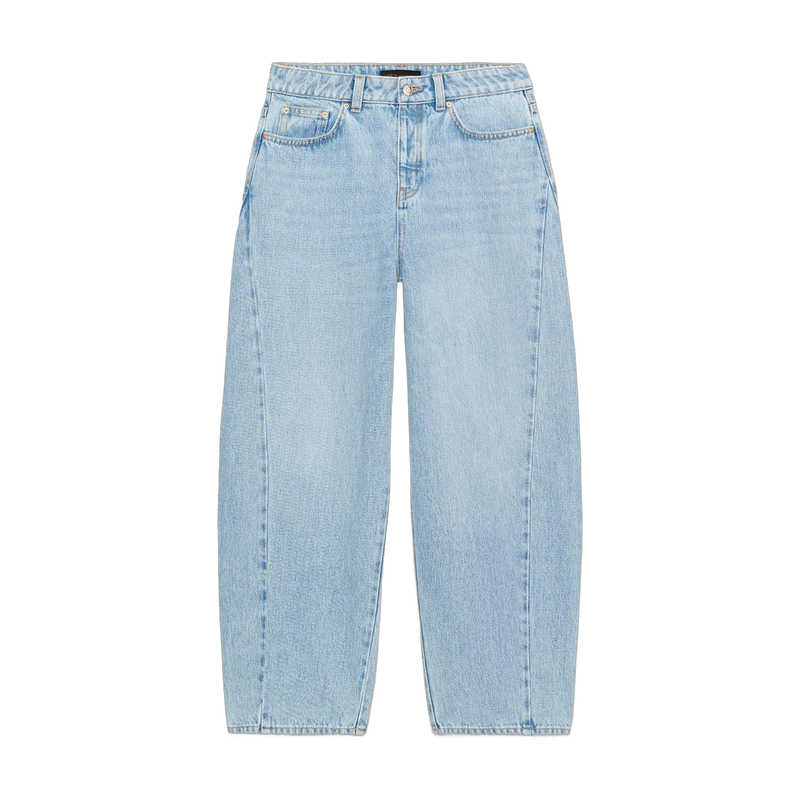
The real value is arithmetic. A coloured top that goes with one skirt gives you one outfit. A pair of navy trousers that goes with eight tops gives you eight. Build the base of your wardrobe in five neutrals and every new piece you buy arrives with partners already waiting for it.
Navy and camel, the two anchors
Navy is the softer alternative to black, and it has a long service record. As JSTOR Daily recounts, the British Royal Navy adopted dark blue officers' uniforms in 1748, and the colour has carried the name ever since. On the body it reads as serious without the severity of black, it is kind to most complexions in daylight, and it pairs with almost the whole spectrum, from white to red to pale pink.
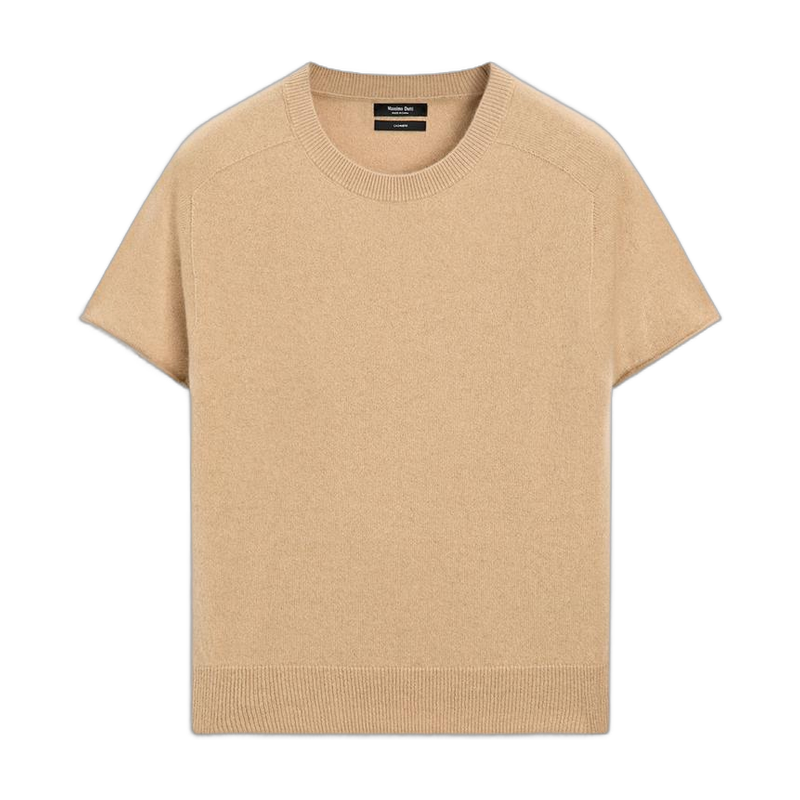
Camel is its warm counterpart. Fashion's most famous proof is a coat: according to the house itself, the Max Mara 101801 coat was designed in 1981 by Anne-Marie Beretta, and it is still in production today. Camel lifts black, softens navy, warms grey and looks deliberate with cream. If you own only one camel piece, make it the one you wear over everything else: a coat, a trench or a long cardigan.
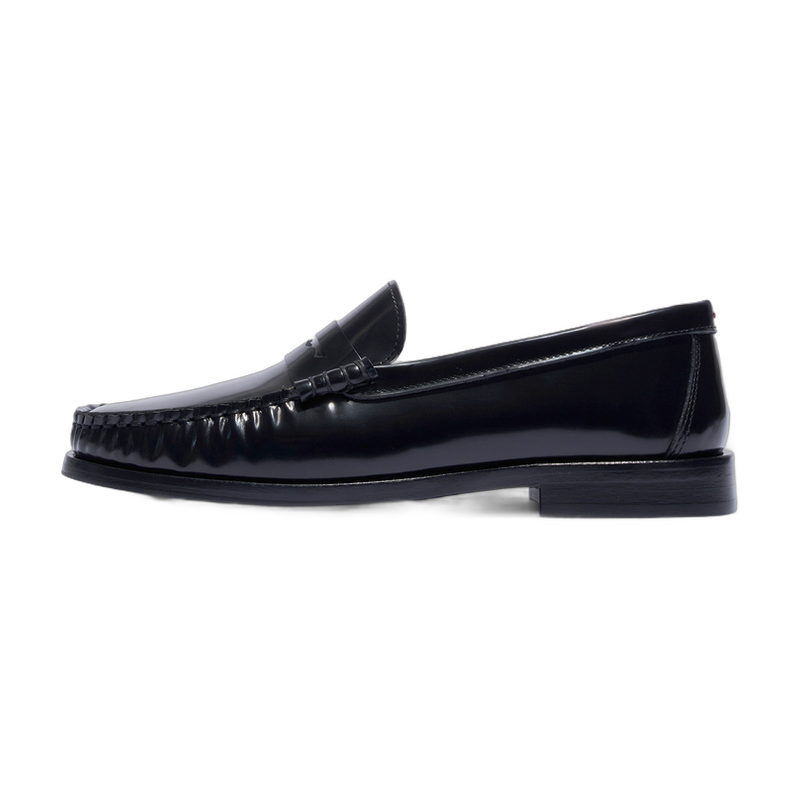
A week with Atelier Faubourg
Every day has its outfit, made for what you do that day.
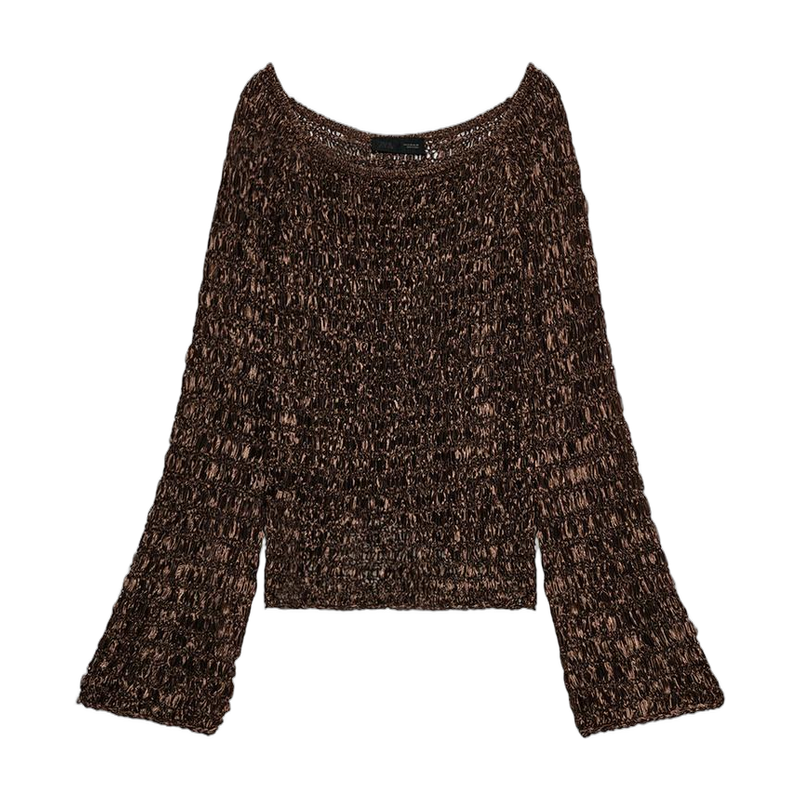
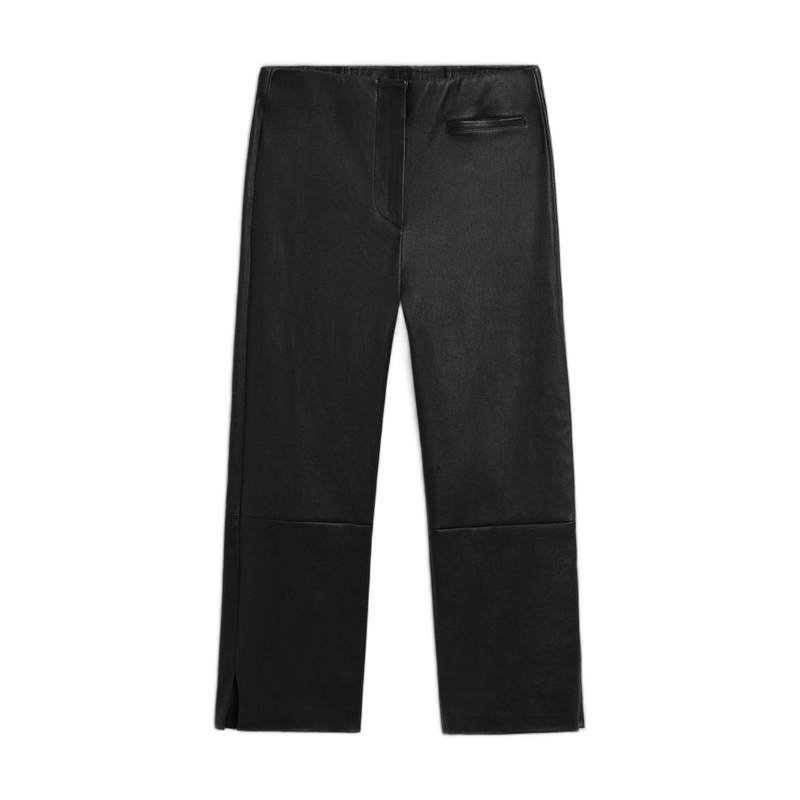
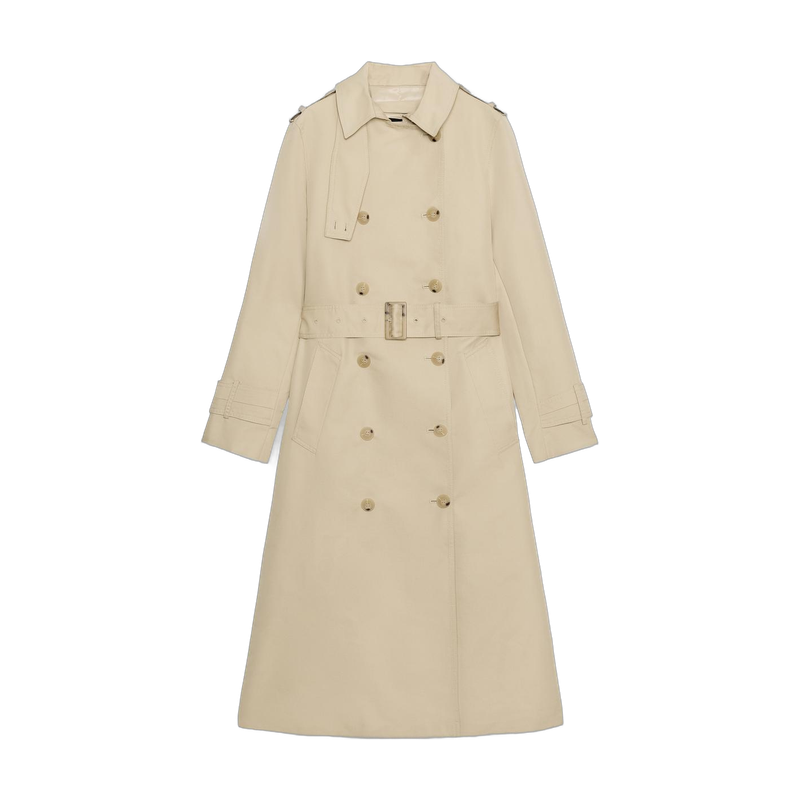
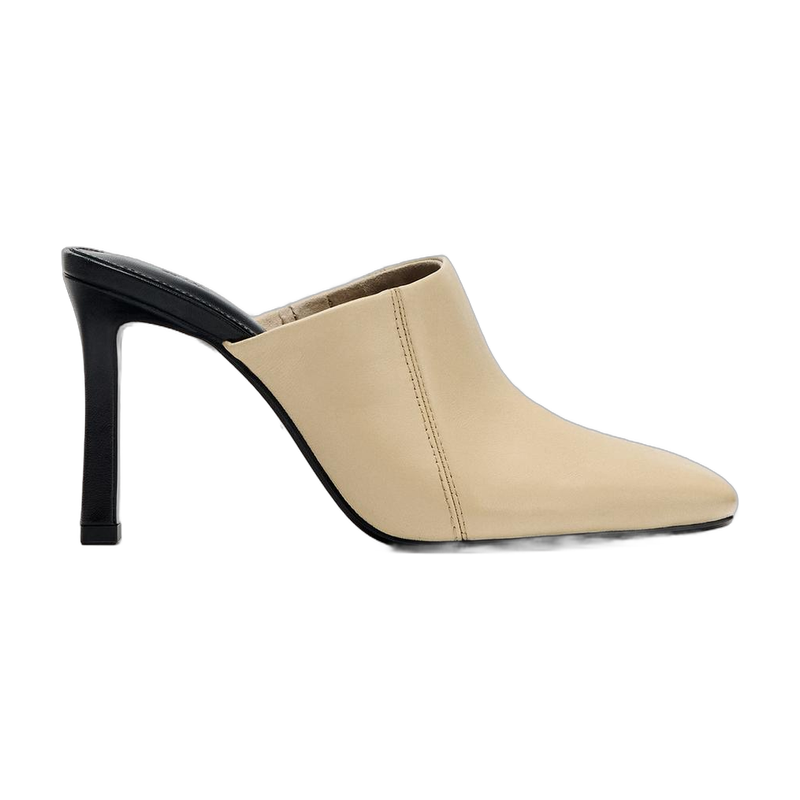
Monday
Work
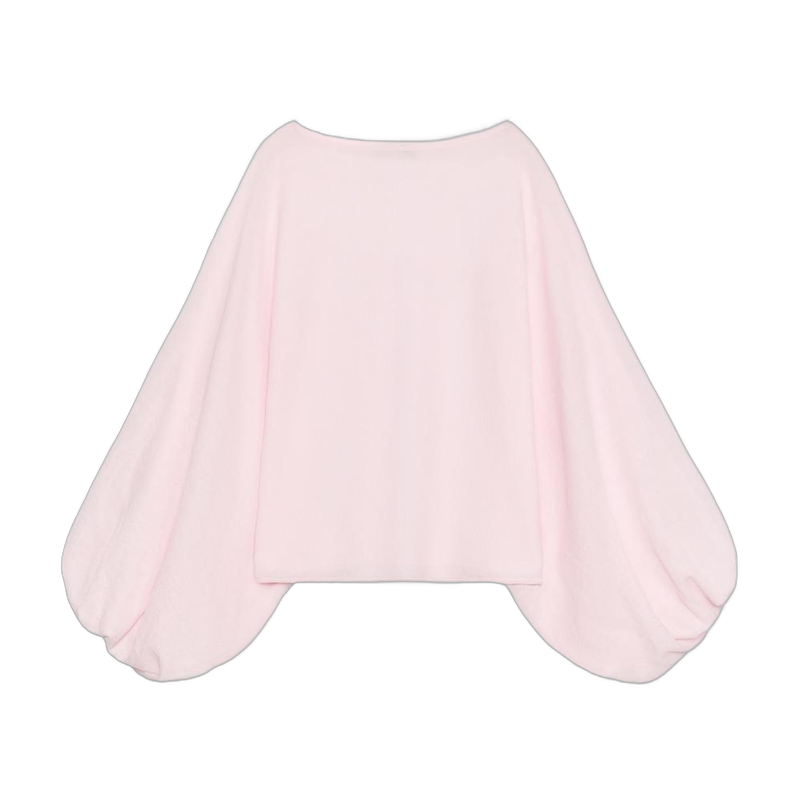
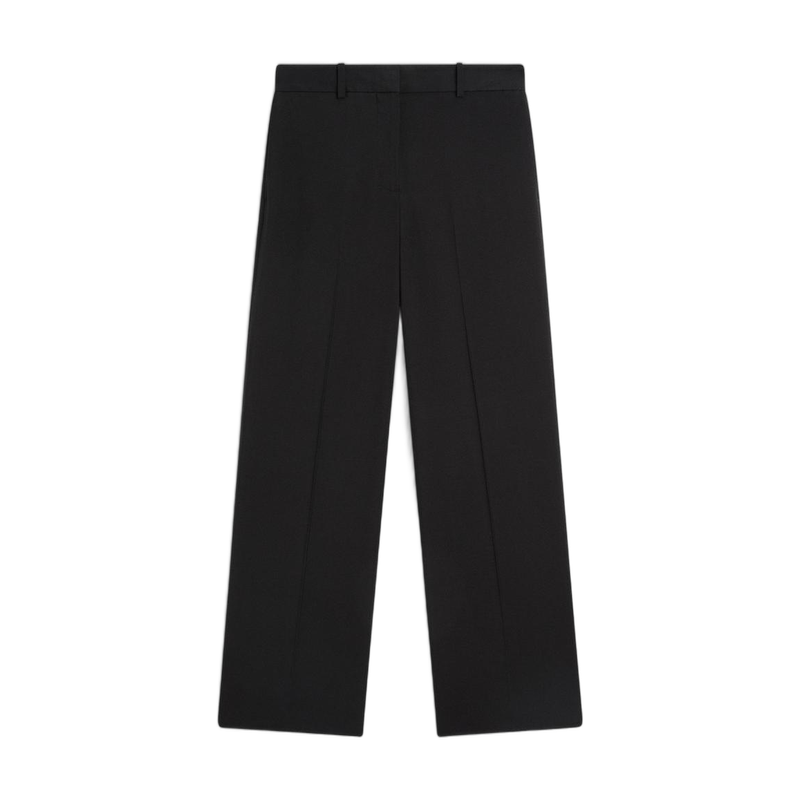
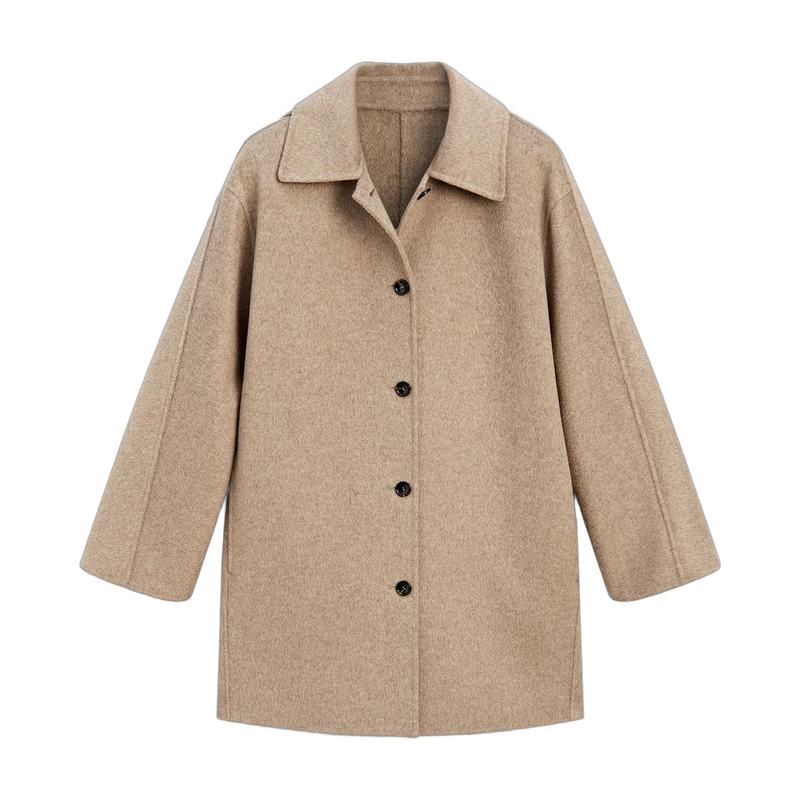
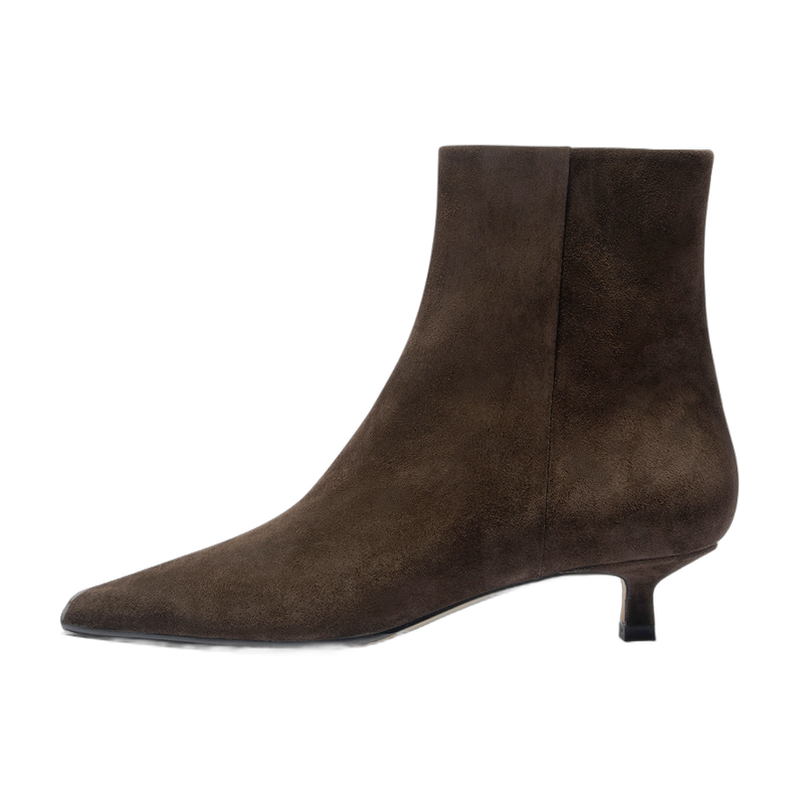
Tuesday
Everyday
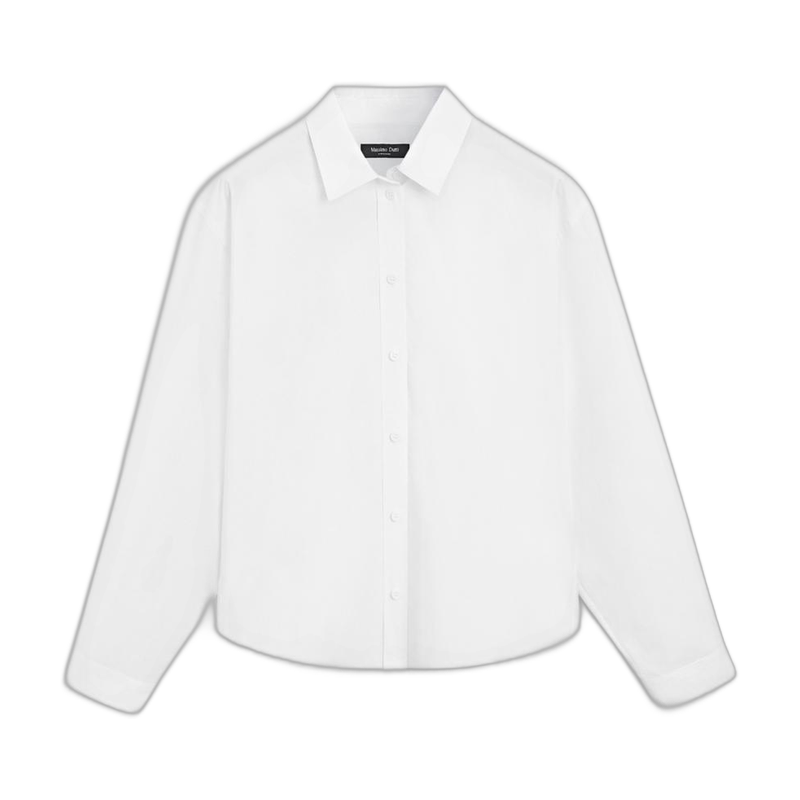
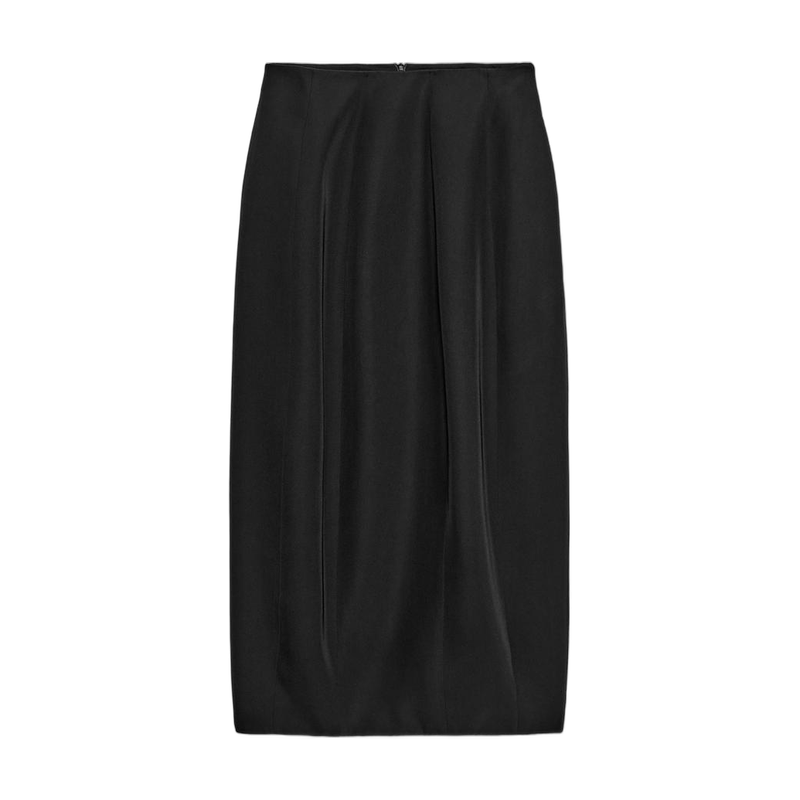
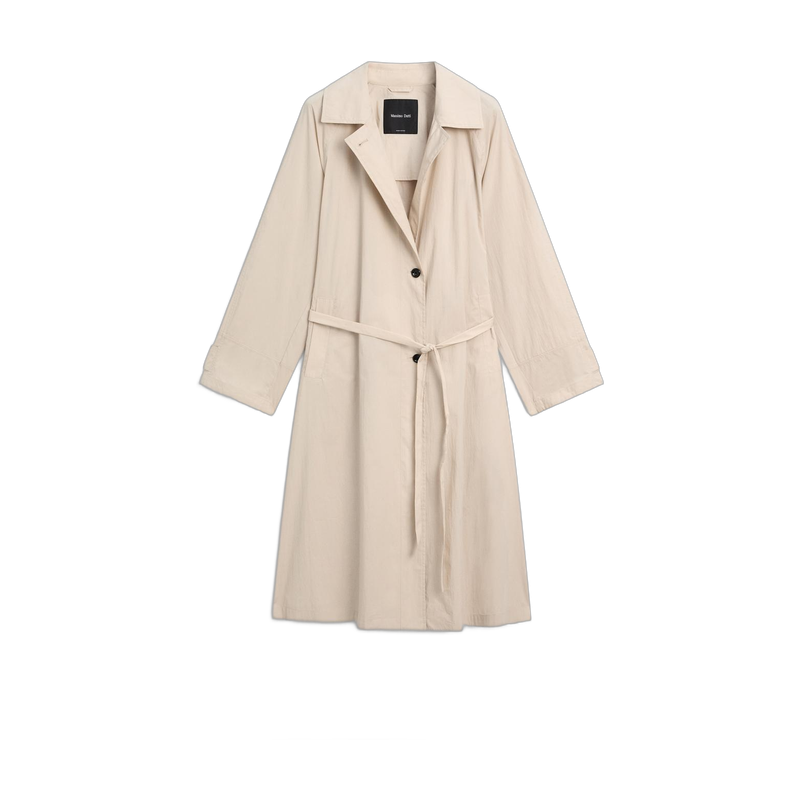
Wednesday
Travel
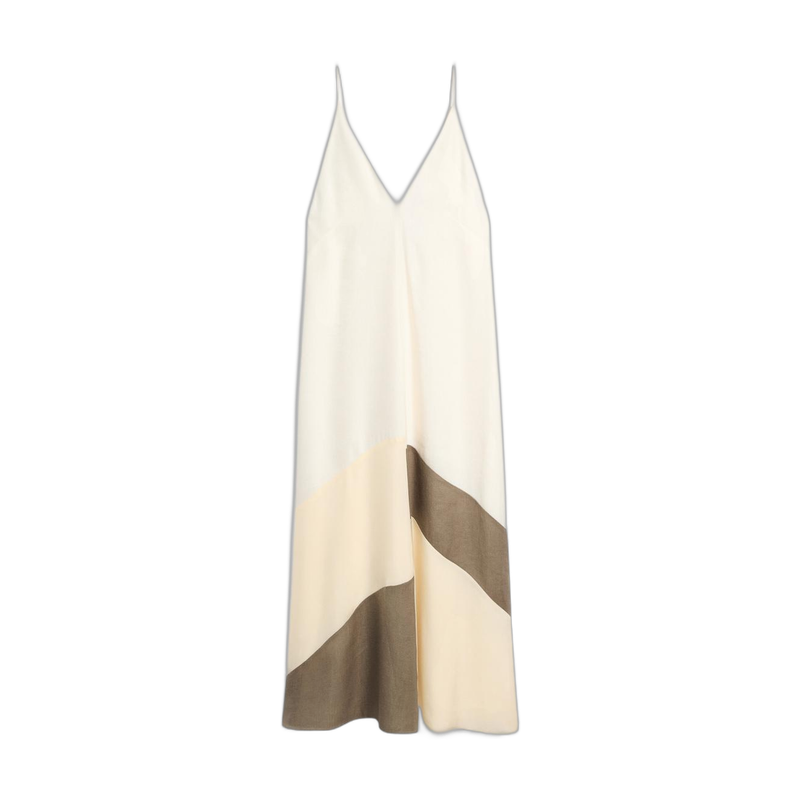
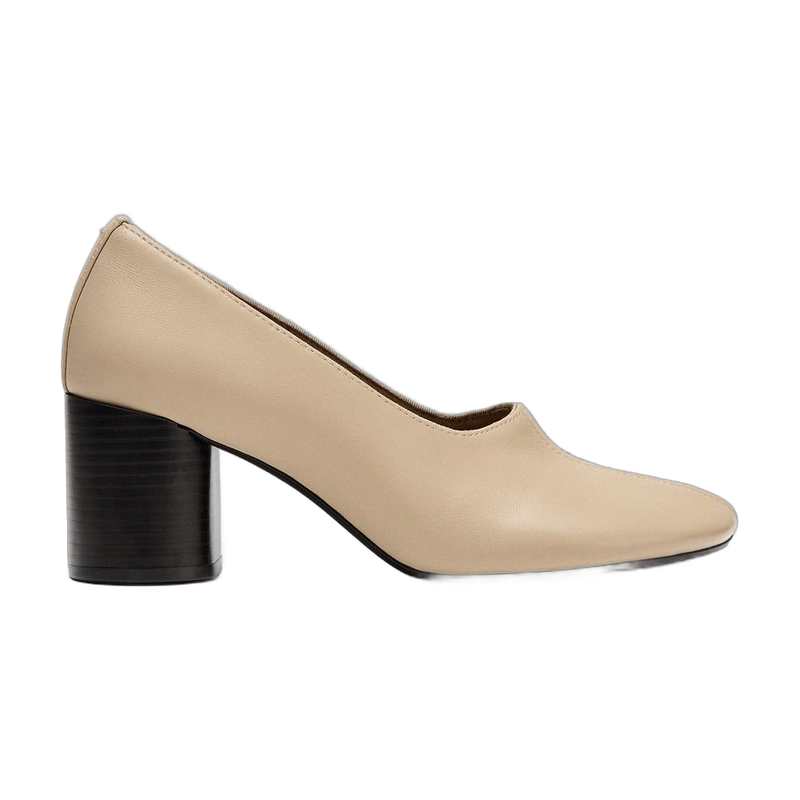
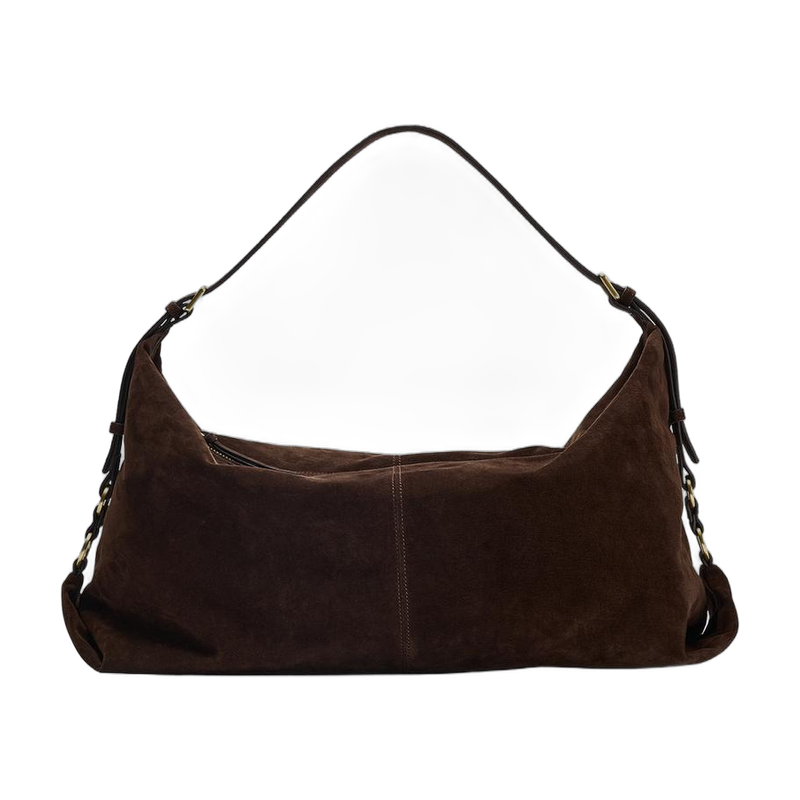
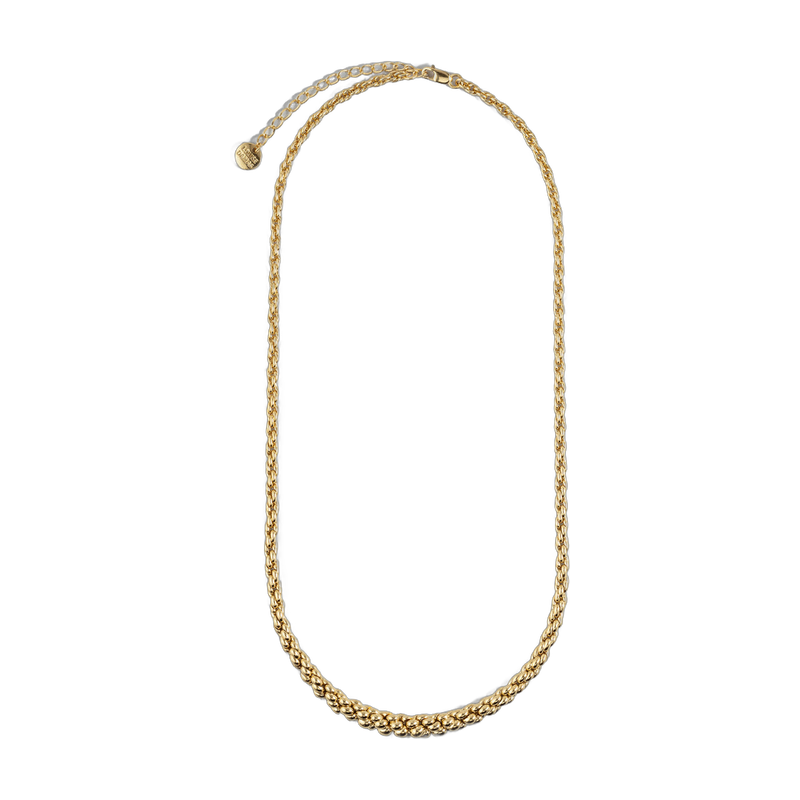
Thursday
Evening
Friday
Work
Ivory, grey and one earth tone
Ivory, or cream, is the light in the palette. It is gentler than optical white, which can look harsh next to the face, and it makes everything around it look more considered: a cream knit with navy trousers, an ivory shirt under a camel coat. Keep it for tops, knits and shirts, where it sits close to your face and brightens it.
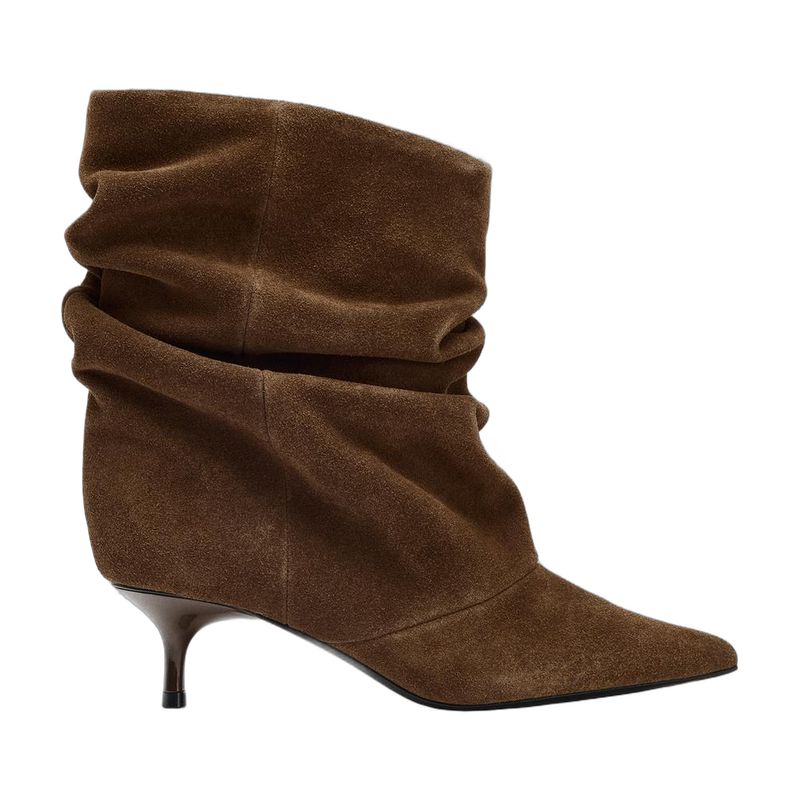
Grey is the bridge. A mid grey knit or charcoal trousers connect warm and cool pieces that would otherwise clash, and grey marl brings texture to the plainest outfit. The fifth neutral is the one that gives the palette its personality: a soft olive or a deep chocolate brown. Both read as neutral in a wardrobe while carrying more character than beige, and both look rich next to camel and cream. Choose one rather than both, so the palette stays coherent.
Finding your shade
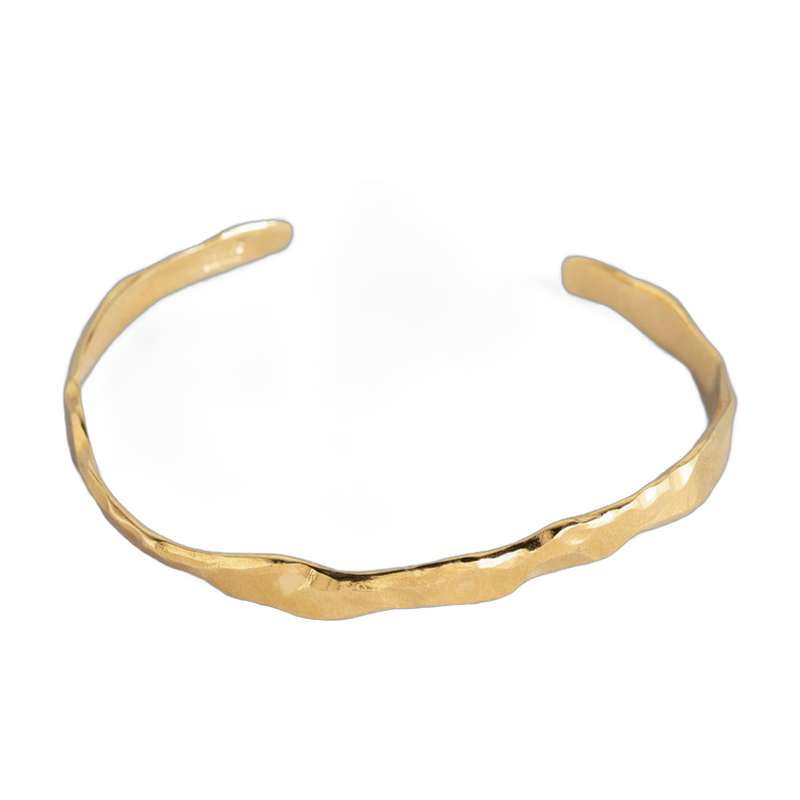
Each of these five colours exists in a warm and a cool version, and the right one depends on your undertone, not on how light or deep your skin is. A simple place to start: hold a sheet of white paper against your bare face in daylight. If your skin looks golden or peachy beside it, you lean warm; if it looks pink or rosy, you lean cool; if you cannot decide, you are probably neutral and can wear both. Another clue is the metal you reach for without thinking, since gold often flatters warm undertones and silver cool ones.
Warm undertones look their best in honey camel, cream, a warm grey with a beige cast, olive and chocolate. Cool undertones suit a deep, inky navy, soft white, charcoal and blue grey, and a cooler, greyer brown if they want an earth tone. Whatever your verdict, test the shade where it matters: near your face, in natural light, before you buy.
Adding one accent colour
Once the base is in place, one accent colour is enough to make it yours. Pick a shade you already love and already own: the coral blouse, a cobalt knit, a red bag. The accent should appear in a few pieces only, ideally near the face or as an accessory, and it should work with at least three of your five neutrals. Red with navy, camel and grey; cobalt with ivory, grey and chocolate; emerald with camel, navy and cream.
The rule of proportion is simple: let the neutrals cover most of the outfit and the accent a small part of it. One bright piece per look is a signature; three bright pieces are a costume. This is exactly the balance a stylist works out when composing a month of outfits, but you can start today with the pieces already hanging in your wardrobe.
Which brings us back to that Monday morning. The coral blouse has not changed. What has changed is everything around it: navy trousers, a camel coat, a cream knit, a grey skirt. Five quiet colours, and suddenly the loud one has somewhere to go.
FAQ
Is black a neutral too?
Yes, and it can replace navy if you love it. Navy is often easier, because it is softer near the face in daylight and pairs with brown and camel without looking harsh.
How many pieces do I need in each neutral?
There is no fixed number. Start with what you already own: chances are you have several of these colours already, and one or two well chosen pieces will fill the gaps.
Can I wear two neutrals together without looking dull?
Yes, as long as you play with texture and contrast. Navy wool with cream cotton, camel suede with a grey knit: different materials keep a tonal outfit alive.
The Atelier Faubourg styling team
Each month, our stylists compose your outfit plan from your answers, your sizes and your real life.
You may also like

Style
Which Jean Cut for Your Silhouette: Rise, Leg and Hem, Decoded
High or mid rise, straight, wide leg, bootcut or barrel: how to choose the jean cut and hem length that suit your silhouette and your shoes.
Style
Your body shape in four measurements: what it really changes
Shoulders, bust, waist, hips: how to measure them, how to read your silhouette, and what it changes when you choose cuts and sizes.

Style
The autumn capsule: 15 pieces from October to December
About fifteen pieces, a quiet base, a few layers and one or two accents: how to build an autumn capsule that carries you from October to December.