
In brief
An autumn capsule is a short list of about fifteen pieces, chosen so that almost everything works with everything else, that takes you from the first cool mornings of October to the dinners of December. The logic is simple: a base of neutral essentials, a few layers you add as the temperature drops, and one or two accent pieces that keep it from feeling like a uniform. Fewer pieces, more outfits, and far fewer mornings spent deciding.
It happens every year on the first properly cold morning. The wardrobe is full, the hangers are crowded, and yet nothing seems to go with anything: the summer linen is out of season, the good coat is still at the back, and the new jumper turns out to match none of your trousers. The problem is rarely a lack of clothes. It is a lack of structure.
According to WRAP's Valuing Our Clothes report, around 30% of the clothing in the average UK wardrobe has not been worn for at least a year, most commonly because it no longer fits. An autumn capsule is the antidote: not a rule of deprivation, but a short, deliberate edit of what you will actually wear over the next three months.
Why fifteen pieces
The idea is not new. In 1985, Donna Karan launched her Seven Easy Pieces: a bodysuit, a tailored jacket, a skirt, trousers, a cashmere sweater, a leather jacket and an evening look, designed to work together from morning to night. Forty years later, the principle holds. A small number of pieces that agree with each other will always give you more outfits than a large number that don't.
Fifteen is a working number, not a law. It is enough to cover the office, the weekend and a dinner out, and small enough that you can picture every piece without opening the doors. The fifteen below include two pairs of shoes; bags, belts and jewellery sit outside the count, because they are what you rotate to change the mood.
The other reason is seasonal. October, November and December do not ask for the same clothes, but they ask for the same base. What changes over the three months is the layer on top, and that is exactly how the capsule is built.
The base: seven pieces
The base is everything you wear close to the skin or on the legs, and it should be quiet. Choose two neutrals you love next to your face, navy and camel, say, or charcoal and ecru, and keep every base piece within them. If a piece can only be worn with one other piece, it does not belong here.
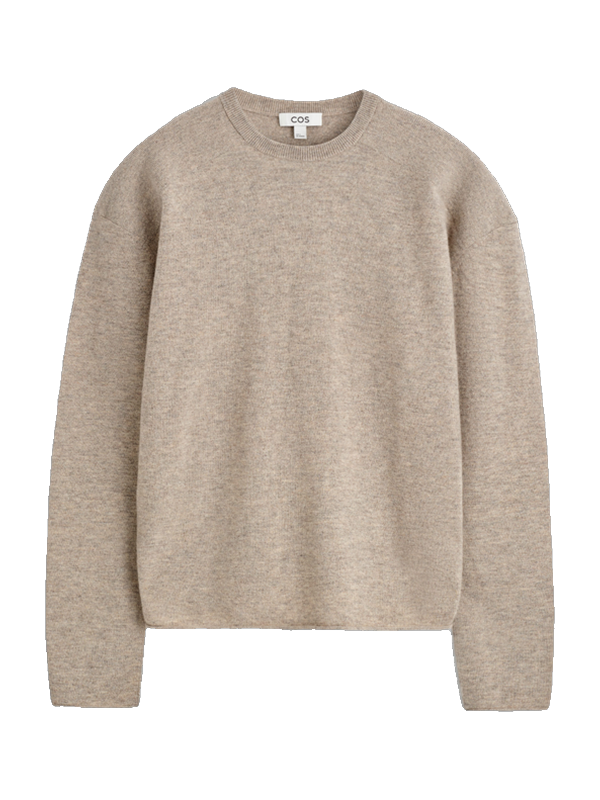
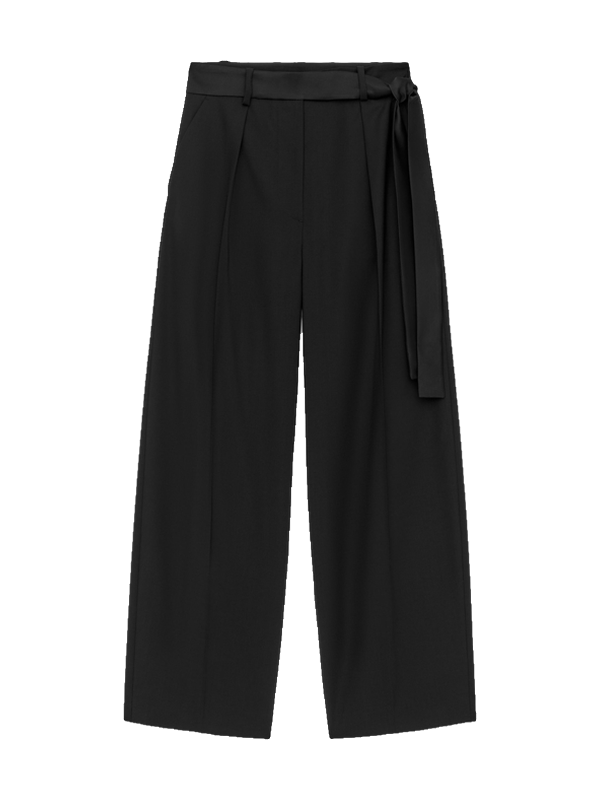
For the legs: a pair of dark straight-leg jeans, a pair of tailored wool trousers, and a midi skirt that works with flat boots as well as heels. For the top half: a crisp white or ecru shirt, a fine merino crew-neck, a roll-neck, and a long-sleeved cotton T-shirt for the weekend.
Fine knits do most of the work in autumn. A thin layer of merino sits under a blazer in October and under a coat in December without adding bulk, which is why it earns its place twice.
The layers: four pieces, two pairs of shoes
Layers are what carry the capsule through the season. A blazer in soft wool turns jeans and a T-shirt into something you can wear to a meeting. A long cardigan, or a chunky knit, does the job of a jacket indoors and on mild days. A trench coat covers October and the wetter weeks of November, and a wool coat takes over once the cold settles in.
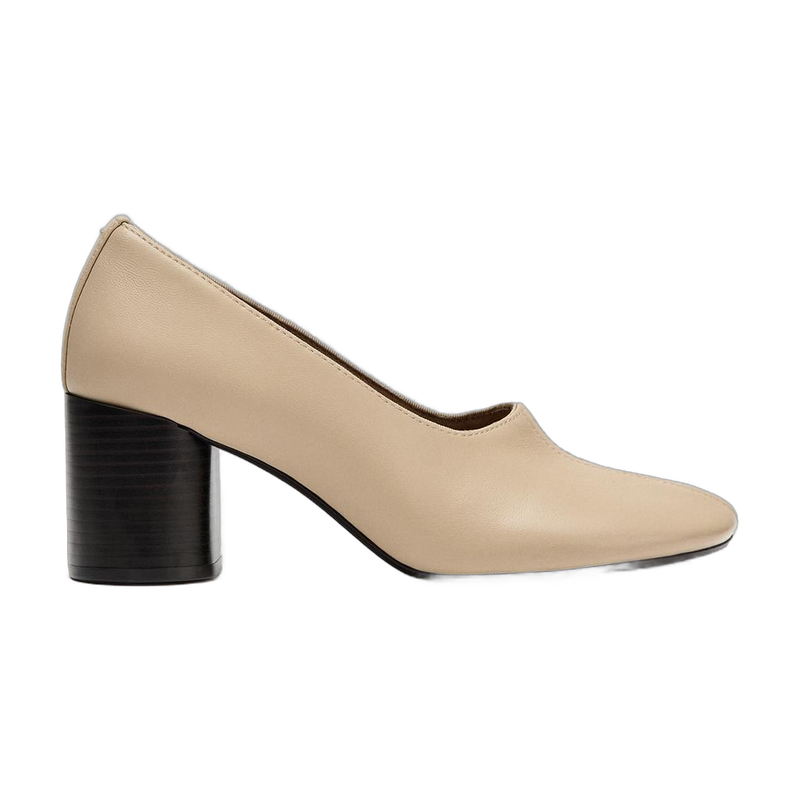
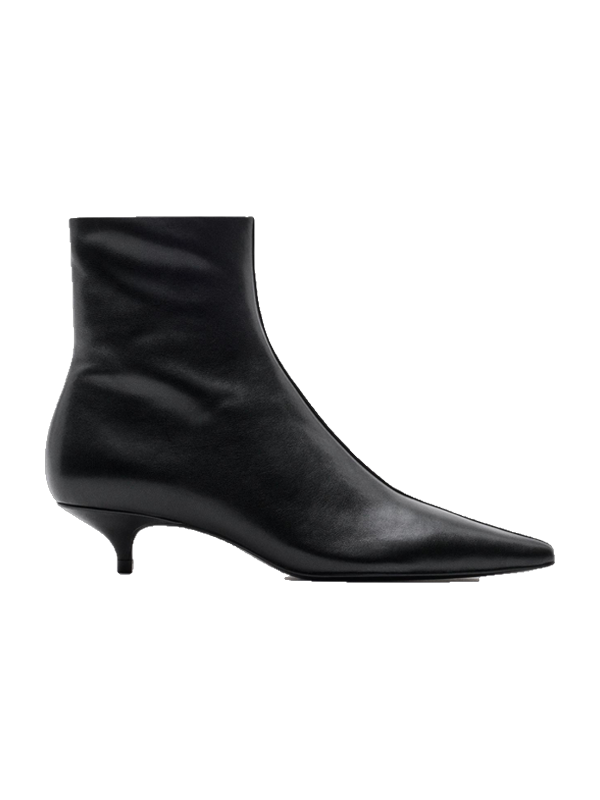
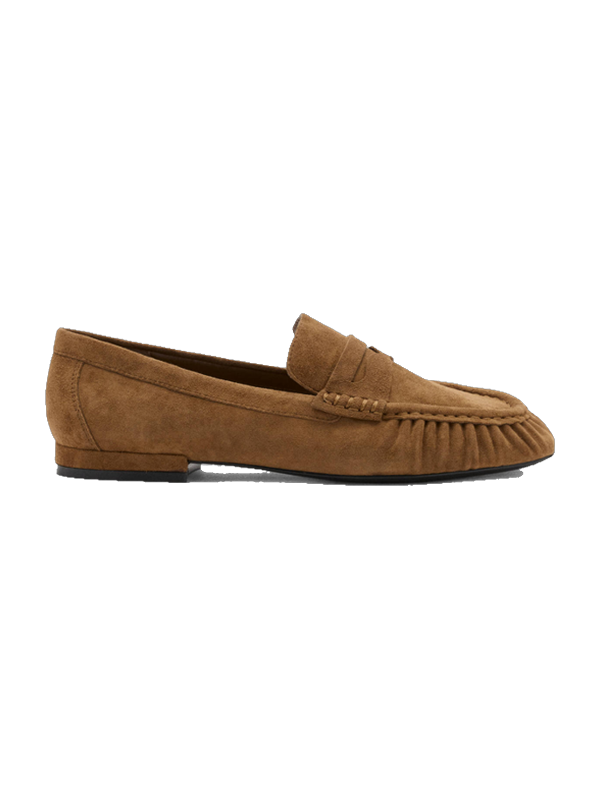
Shoes follow the same logic. One pair of leather ankle boots and one pair of loafers will cover nearly every situation the season throws at you, from wet pavements to an office floor. If you live somewhere with a mild winter, or split the season between two climates, swap the wool coat for a second, lighter jacket and keep everything else.
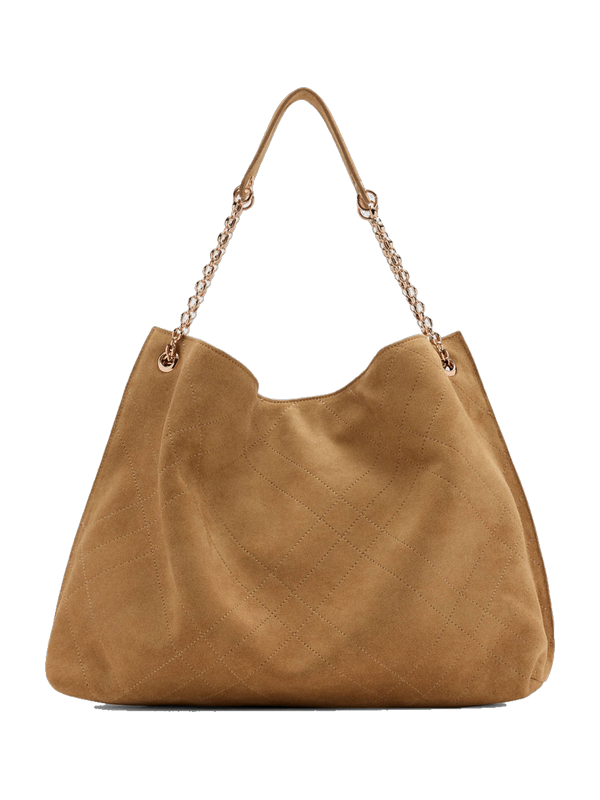
Buy your layers in the same neutral family as the base, but allow yourself a step up in texture: suede, brushed wool, a ribbed knit. Texture is what keeps a neutral wardrobe from looking flat.
A week with Atelier Faubourg
Every day has its outfit, made for what you do that day.
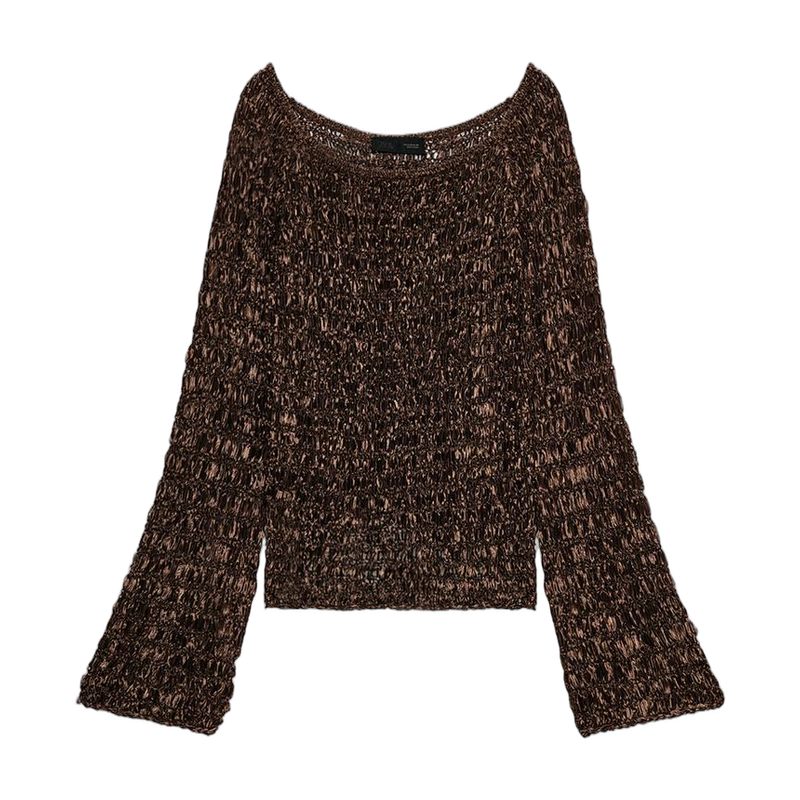
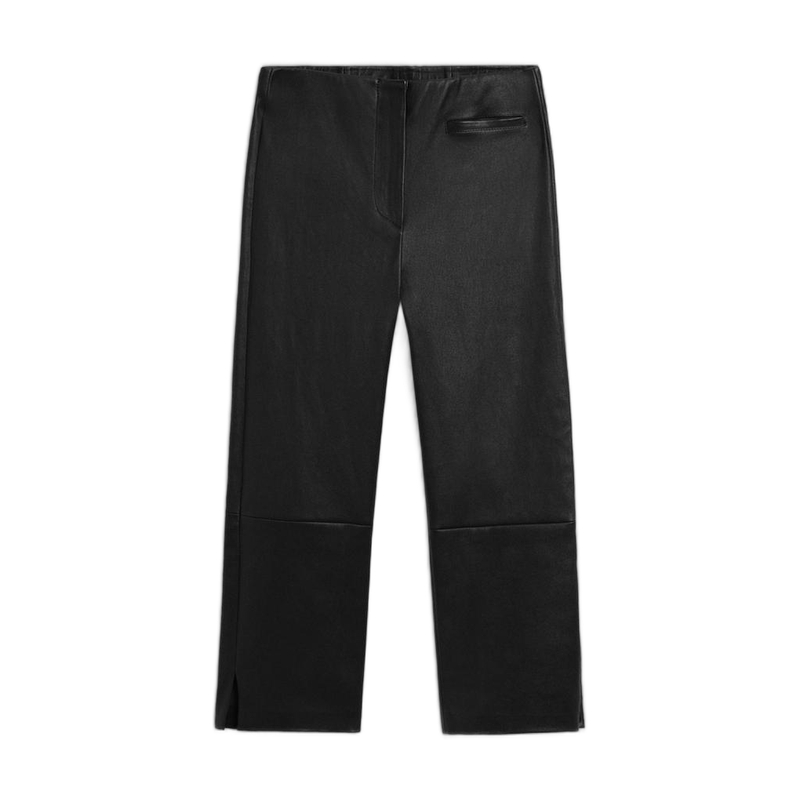
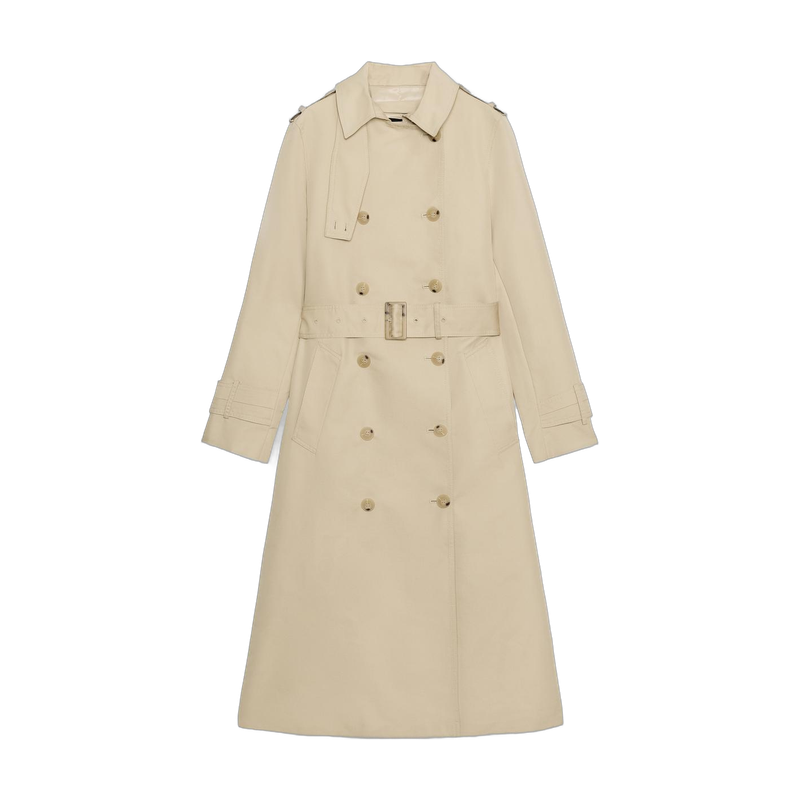
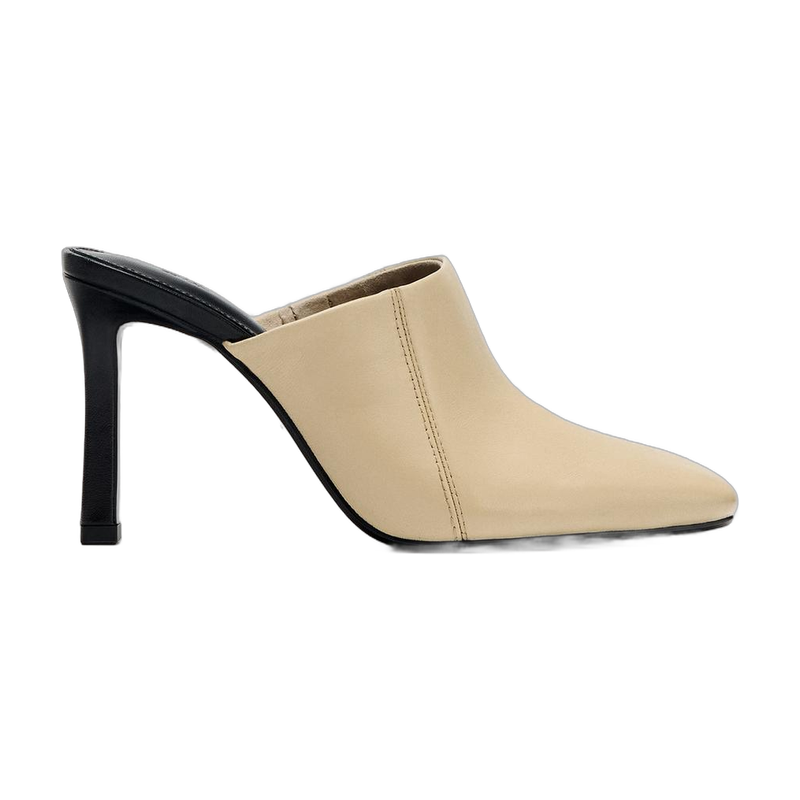
Monday
Work
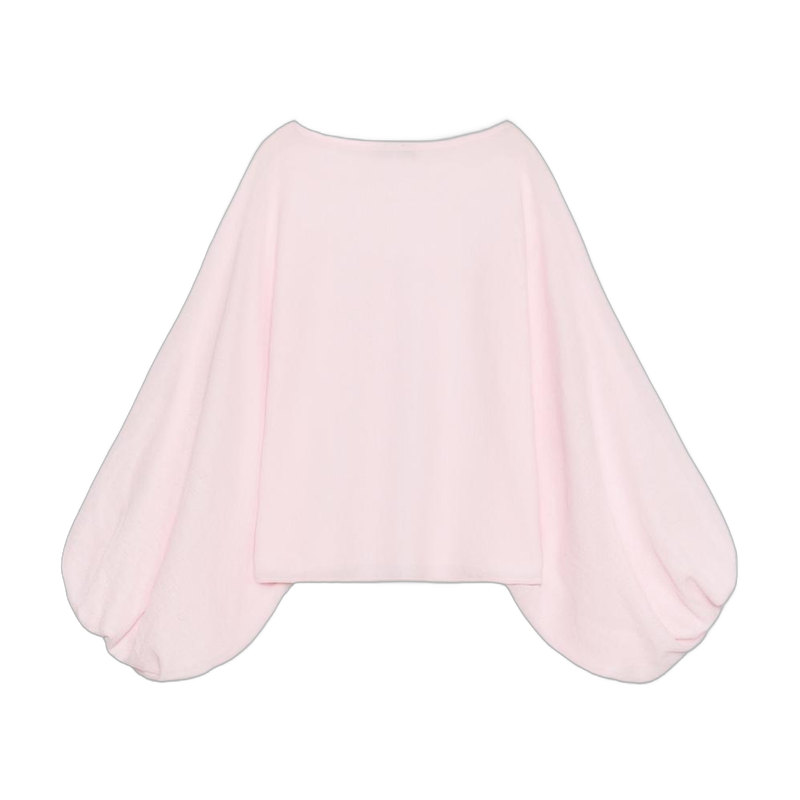
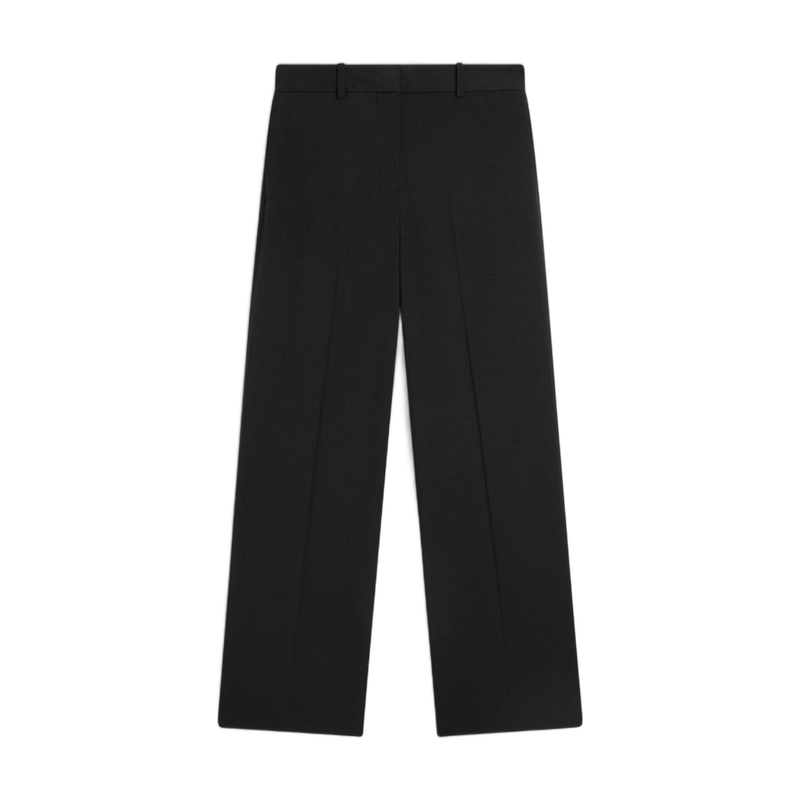
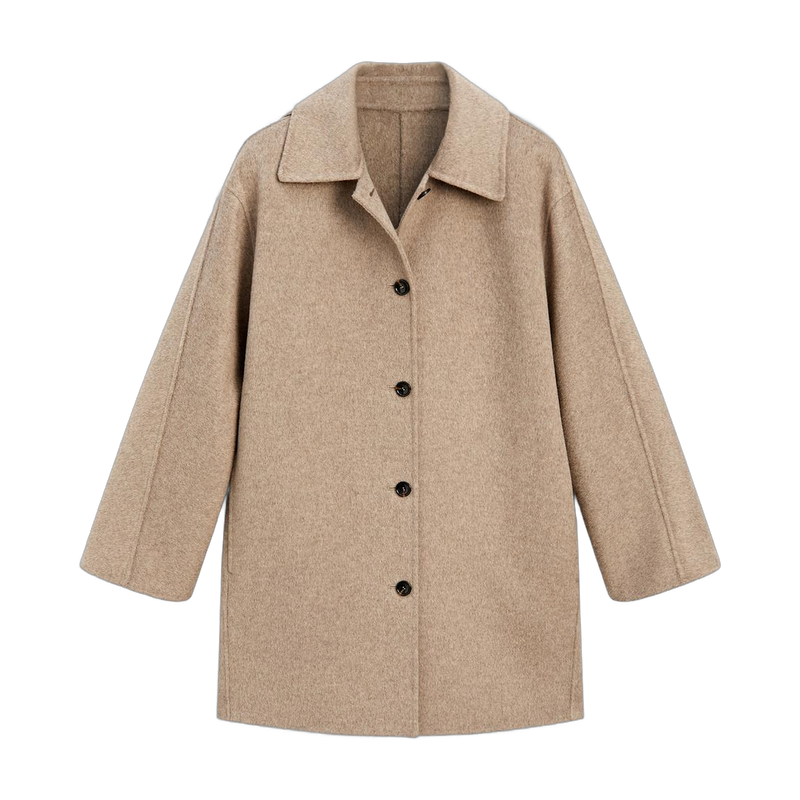
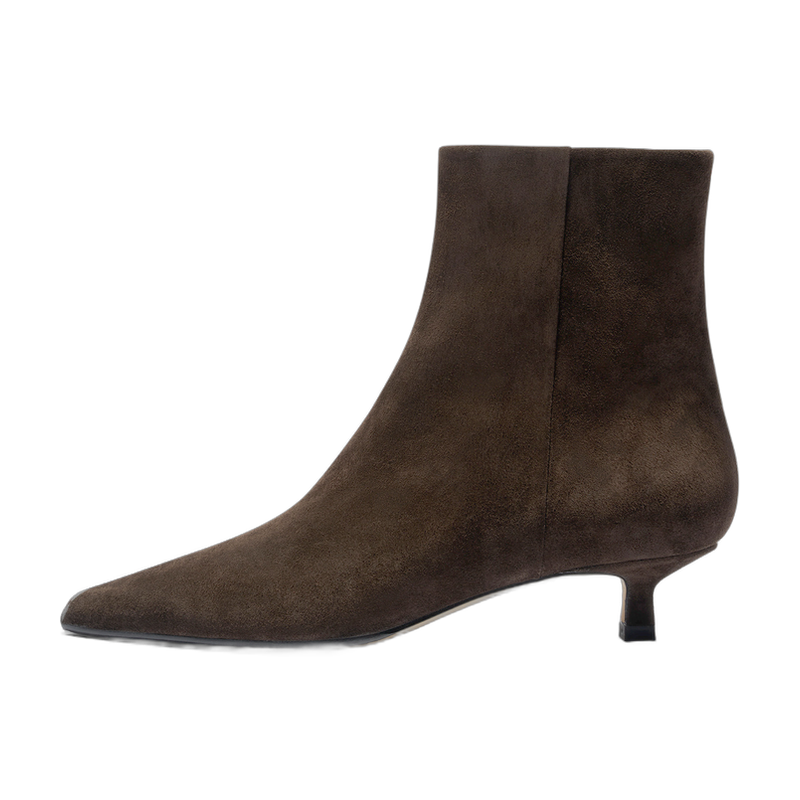
Tuesday
Everyday
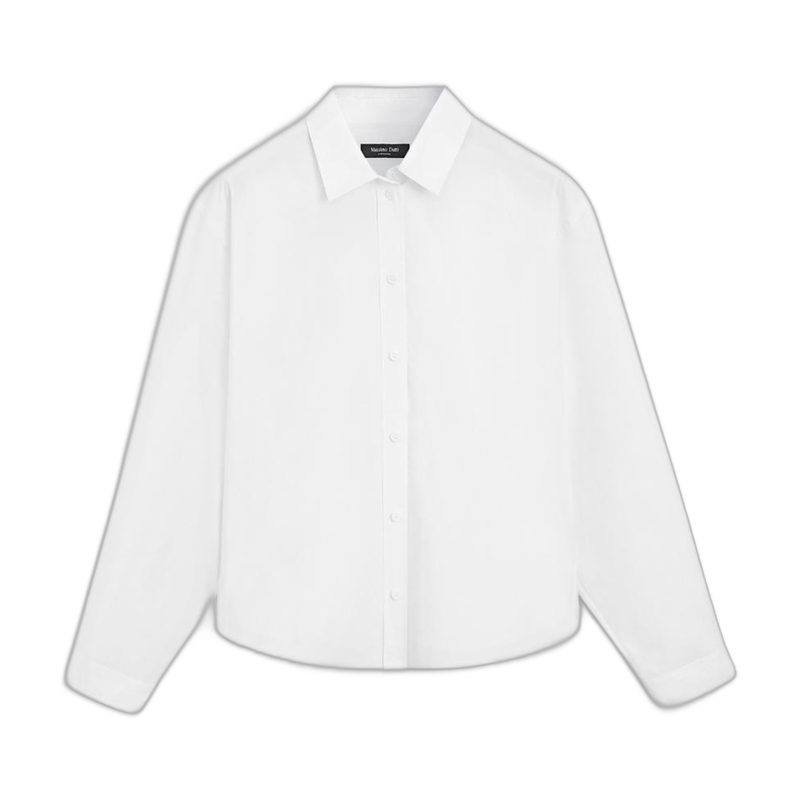
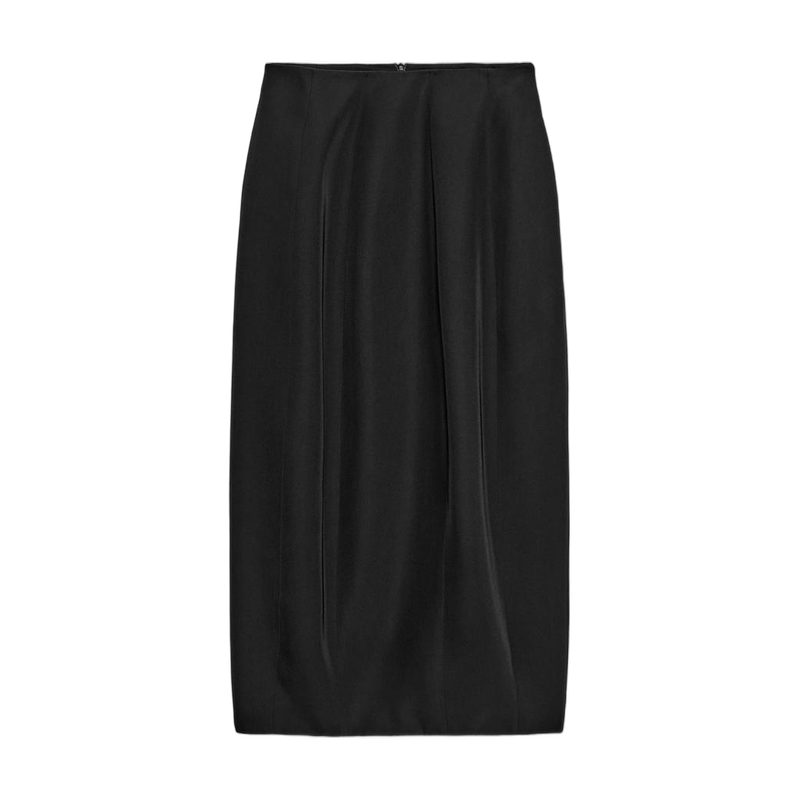
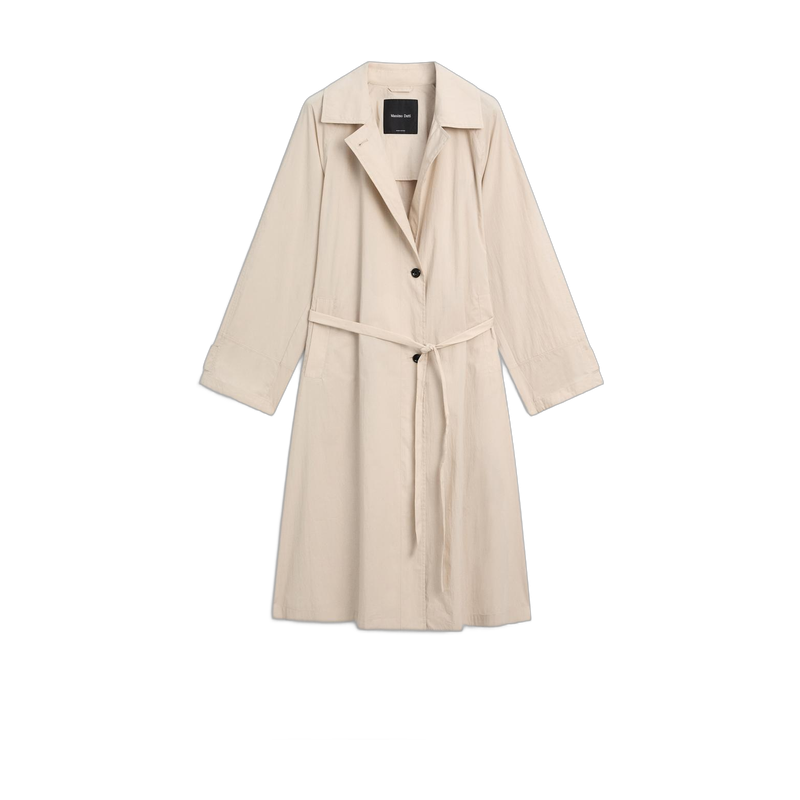
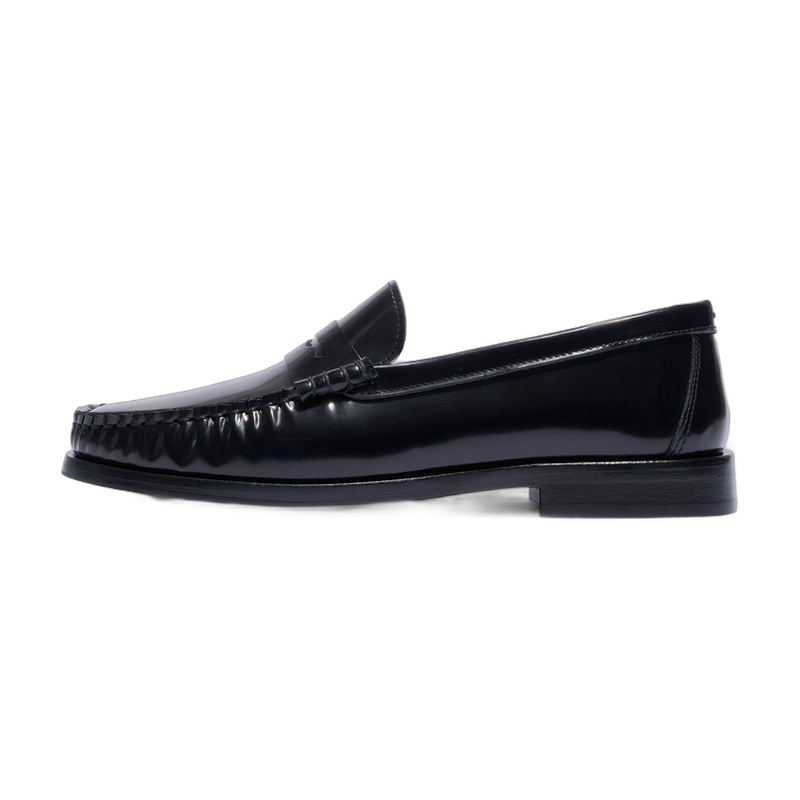
Wednesday
Travel
Thursday
Evening
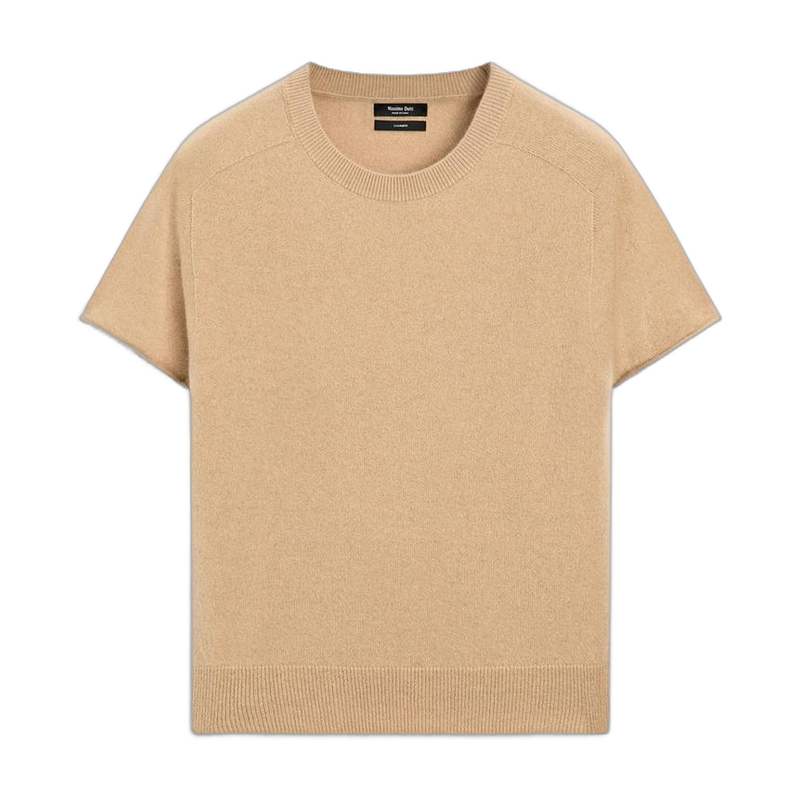
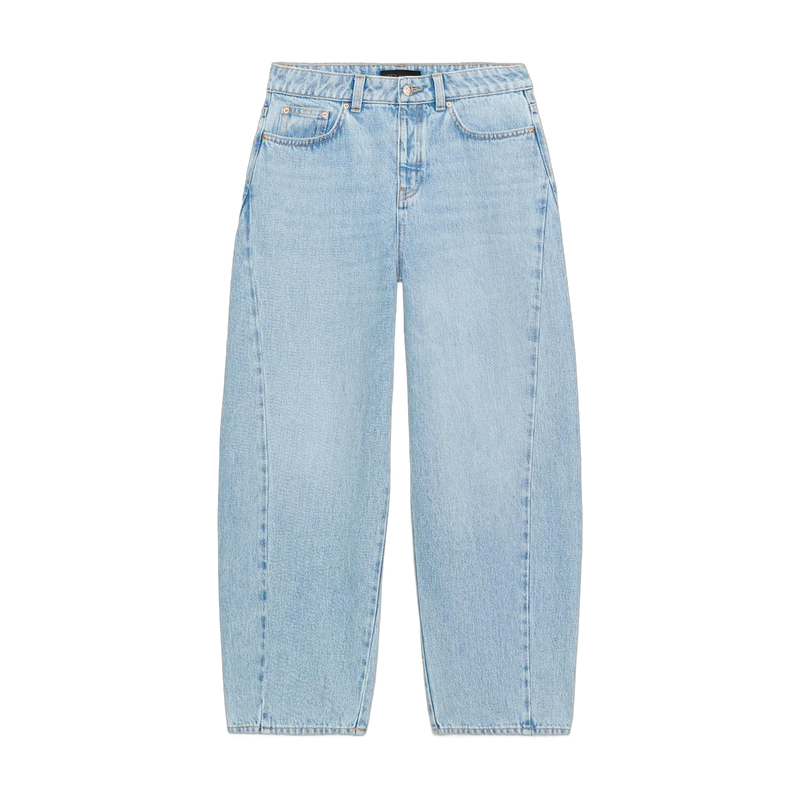
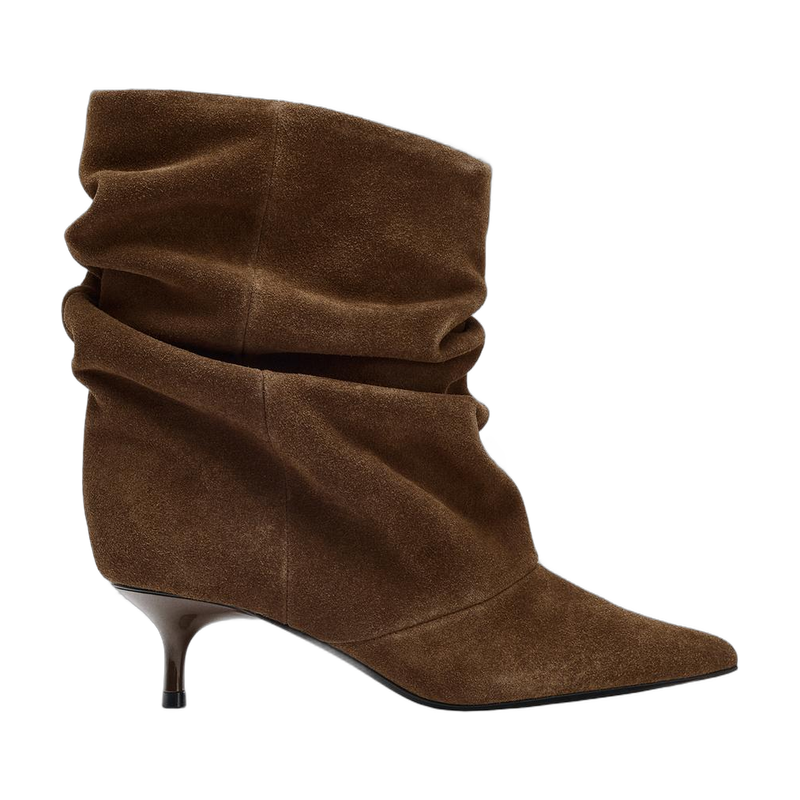

Friday
Work
One or two accents
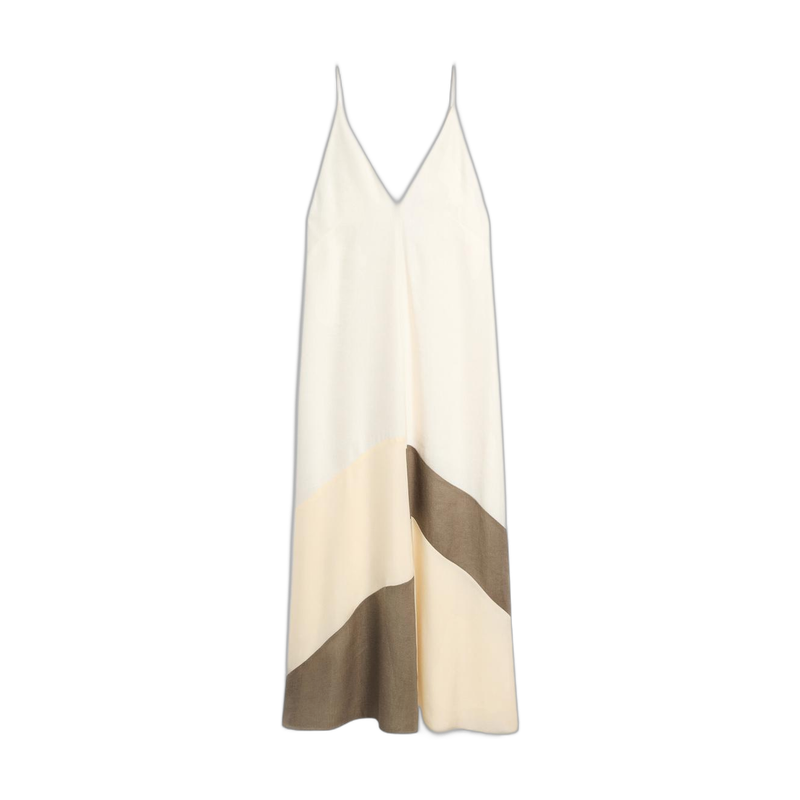
An accent is the piece that makes the rest look intentional. It can be a colour, a burgundy jumper, a deep green skirt, a rust silk shirt, or a single piece with presence, such as a slip dress for December evenings. Two is the maximum: beyond that, the accents start competing with each other and the capsule loses its coherence.
The test is simple. Hold the accent next to every base piece. If it works with at least four of them, keep it. If it only works with one, it is a lovely piece for another wardrobe.
The pieces of the look
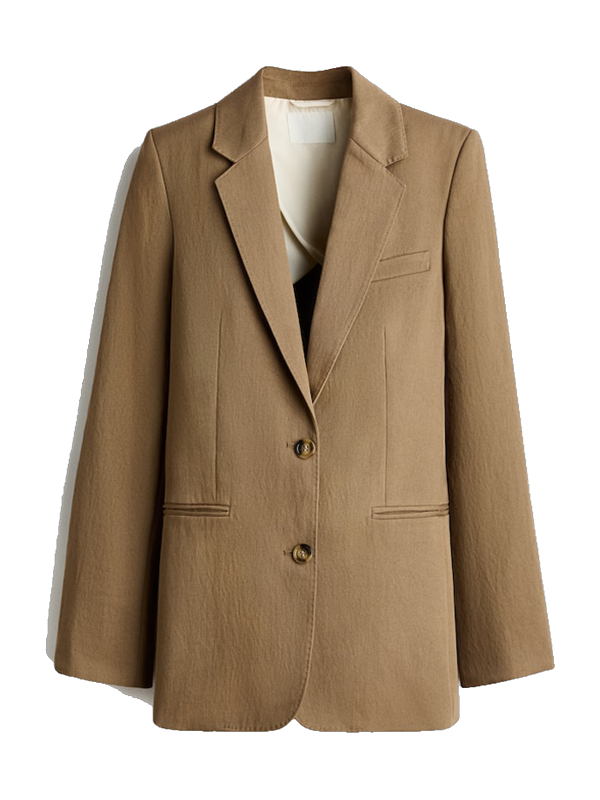
How to combine them
Start with arithmetic rather than inspiration. Three bottoms and four tops already make twelve pairings before a single layer enters the picture; add a blazer, a cardigan and two coats, and the combinations multiply without a single new purchase.
Then build a few formulas you can repeat without thinking. Jeans, roll-neck, blazer and loafers for the office. Midi skirt, merino crew-neck, long cardigan and ankle boots for the weekend. Tailored trousers, the accent knit and the wool coat for a December lunch. Writing three or four of these down, or photographing them once, saves more time than any new piece ever will.
Finally, change one thing at a time. Keep the formula and swap the shoes, the bag or the jewellery. That is how fifteen pieces stay interesting for twelve weeks.
What to leave out
Leave out anything that does not fit you today, rather than the size you hope to be in January. Leave out pieces that need one very specific partner to work, prints that clash with your accent, and anything you would only wear to a single event: that belongs on a separate list, the one for occasions. Summer pieces go to the back of the wardrobe, not in the bin.
A capsule also changes how you shop. Before buying anything, ask yourself which three of the fifteen pieces the new one would go with. According to WRAP, extending the average life of clothes by just three months of active use would cut each of their carbon, water and waste footprints by 5 to 10%. Wearing what you already own more often is the simplest way to get there.
Back to that cold morning in October. The rail holds fewer clothes, and every one of them works with the others. By December, getting dressed takes exactly as long as choosing a coat.
FAQ
Does a capsule wardrobe have to be exactly 15 pieces?
No. Fifteen is a practical number for a three month season, not a rule. What matters is that most pieces work with most others: some women are happy with twelve, others need twenty because of their work or their climate.
Which colours work best for an autumn capsule?
Two neutrals you like near your face, such as navy and camel or charcoal and ecru, plus one or two accent colours. Keeping the base within two neutrals is what lets every top work with every bottom.
What do I do with the clothes that are not in the capsule?
Store them out of sight rather than getting rid of them straight away. At the end of the season, look at them again: the pieces you did not miss at all are good candidates to sell, swap or donate.
The Atelier Faubourg styling team
Each month, our stylists compose your outfit plan from your style profile, your sizes and your real life.
You may also like

Style
Cost per Wear: The Only Fashion Maths That Matters
Divide the price by the number of times you wear it. That one division reorganises a wardrobe better than any sale ever will.

Style
Why You Have Nothing to Wear (And What It's Actually Costing You)
A full wardrobe and nothing to wear is not a shopping problem. It is a decision problem, and it has a measurable price.

Style
The Late-Summer Capsule: 12 Pieces for the Last Weeks of Summer
Summer has a few golden weeks left. Here are the twelve pieces worth wearing until the very end, chosen the way a stylist would choose them.