In brief
Your body shape comes from four measurements: shoulders, bust, waist and hips. Compare your shoulders with your hips, then look at how defined your waist is, and you land on one of five broad silhouettes. It is a description, not a problem to solve: its only job is to tell you which cuts will fit first time, and which size to take on top and on the bottom.
The jacket closes perfectly across the shoulders. The trousers from the same rail, in the same size, gape at the waist and pull at the hips. You try the size up, then the size down, and leave the fitting room convinced that something is wrong with your body. Nothing is. The clothes were simply cut for someone else's proportions.
A tape measure, five minutes and a little honesty are enough to see those proportions clearly. Not to judge them, but to shop with a map instead of a guess.
The label was never cut for you
When researchers at North Carolina State University ran the SizeUSA survey through their body shape software, they found that the rectangle was the most common shape among American women, followed by the spoon, the inverted triangle and only then the hourglass. SizeUSA scanned roughly 10,000 men and women in 3D in 2003, one of the most complete pictures of real bodies available.
Among women aged 26 to 55, only eight percent were hourglass shaped, while more than 80 percent fell into the rectangle, spoon and inverted triangle groups. Yet according to the same study, the American reference standard for that age group targeted the hourglass across its entire size range, and most apparel companies use an hourglass figure as their fit model. In other words, if a size never quite fits, the odds are that the grading is out of line, not you.
Four measurements, one tape
Stand relaxed in your underwear, feet together, in front of a mirror so you can check that the tape stays level. It should lie flat and snug, never tight: one finger should slide underneath. Breathe normally and do not pull your stomach in. Bust, waist and hip girths are the backbone of every size chart, and the international standard for clothing body measurements, ISO 8559-1, defines each of them precisely.
Shoulders. Pass the tape around your upper back at its widest, across the shoulder blades, arms resting by your sides. This girth, rather than the bust, is the one you compare with your hips. Bust. Measure at the fullest point, in a bra that does not flatten you, keeping the tape level across your back. Waist. Look for the narrowest point between the ribs and the navel; lean to one side and the crease that forms shows you where it is.
Health services measure slightly differently: the British Heart Foundation advises placing the tape halfway between the bottom of the ribs and the top of the hips. That is the right method for health, but not always the narrowest point for clothes. Hips. Measure at the fullest part of the hips and seat, feet together. Note each figure in centimetres, then measure a second time; if the two readings differ, keep the average.
A week with Atelier Faubourg
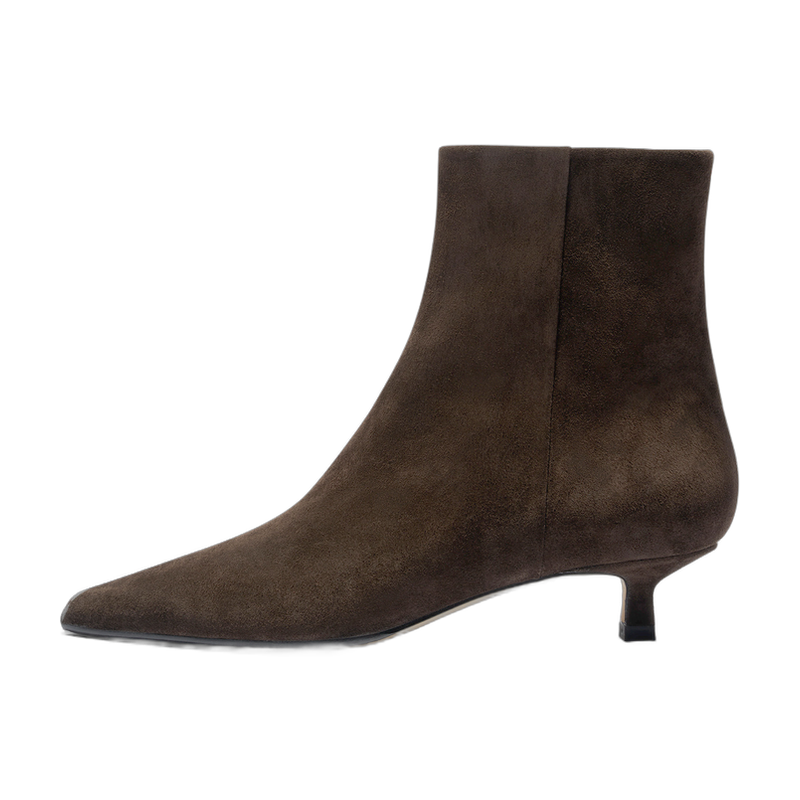
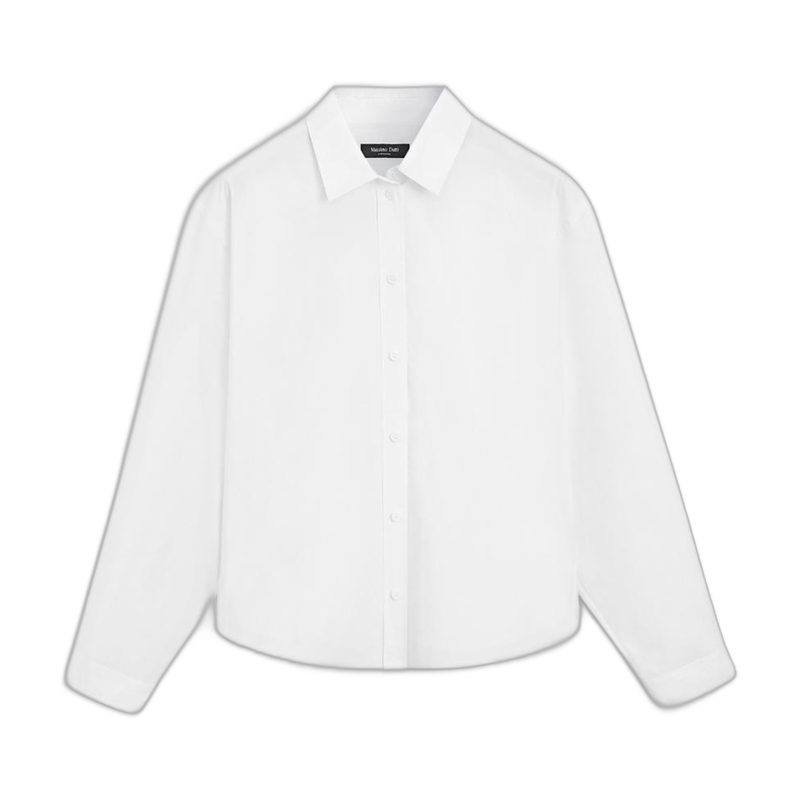
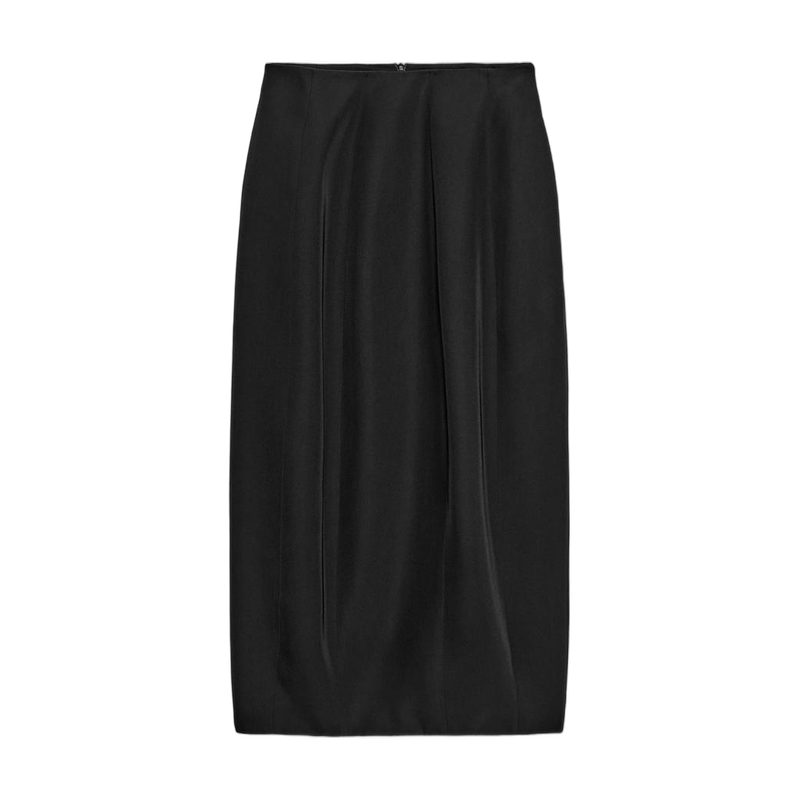
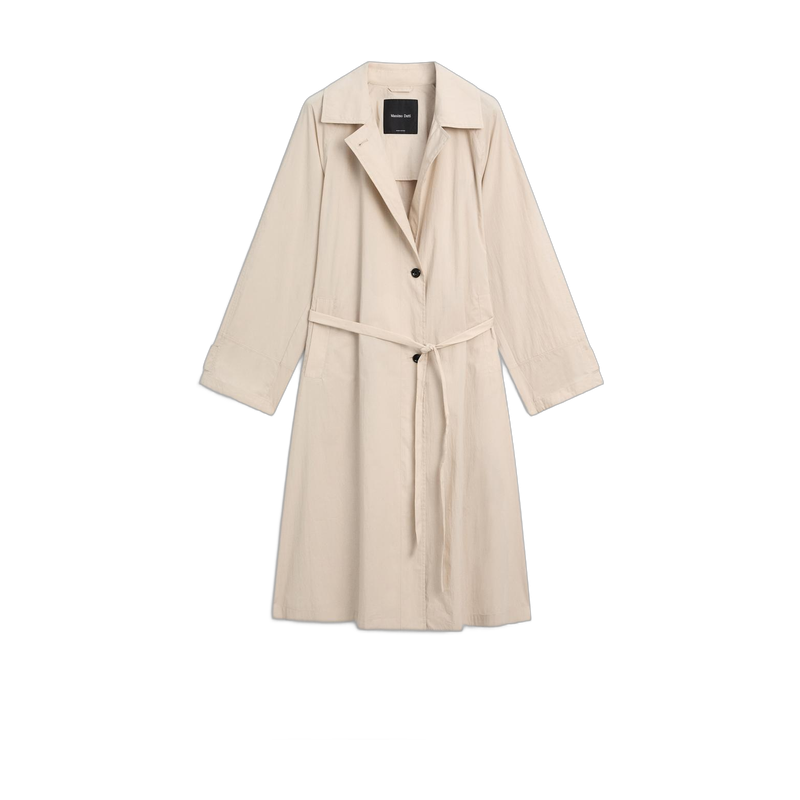
Every day has its outfit, made for what you do that day.
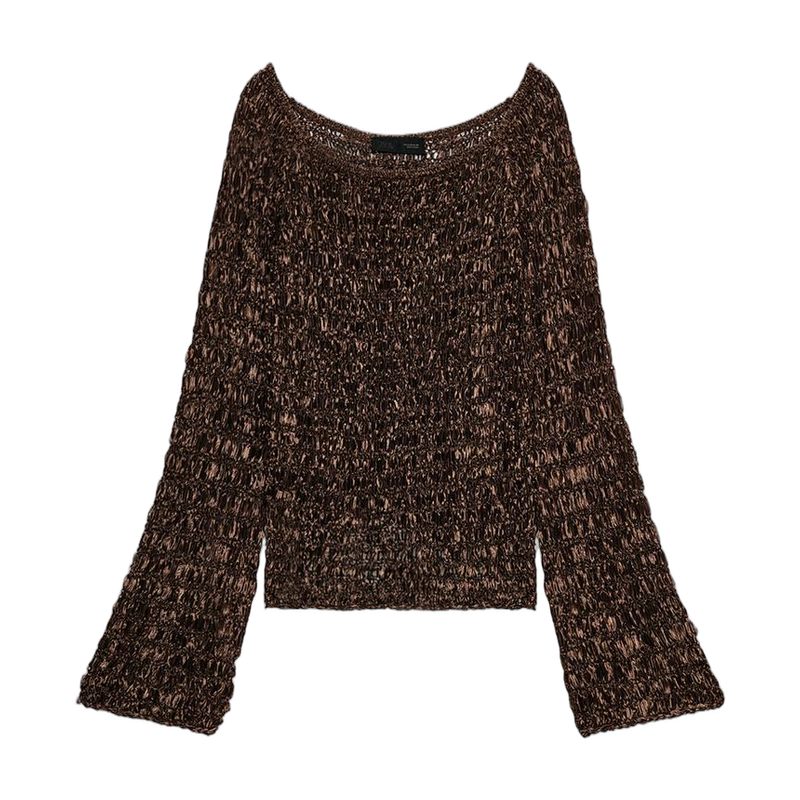
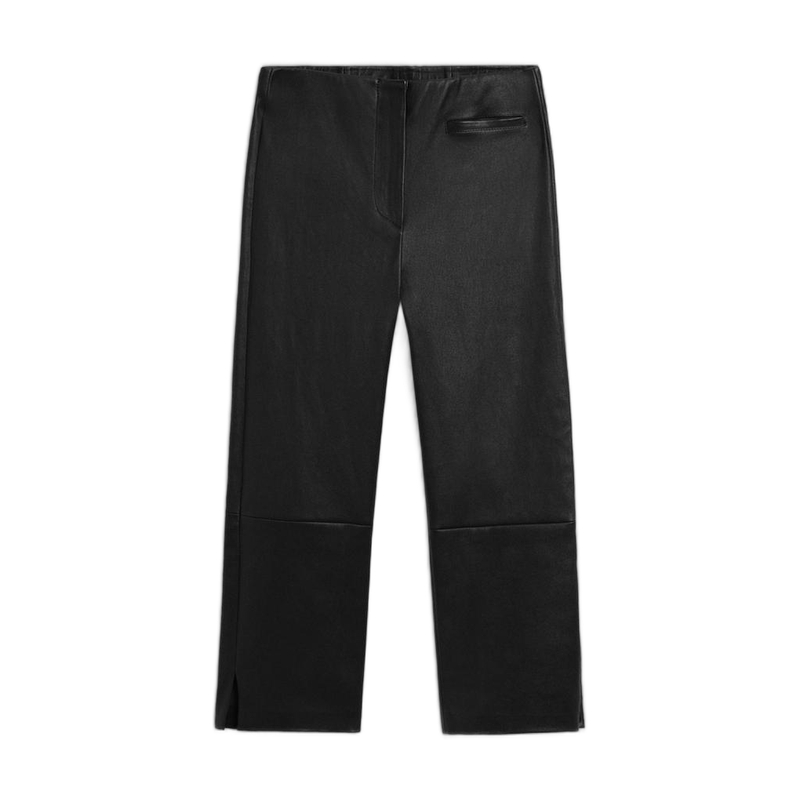
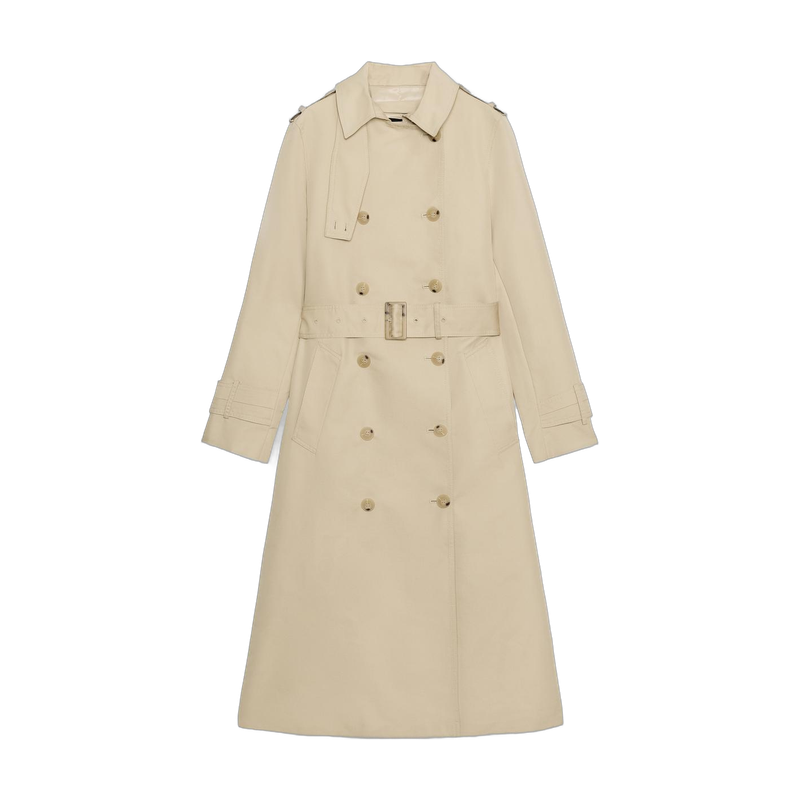
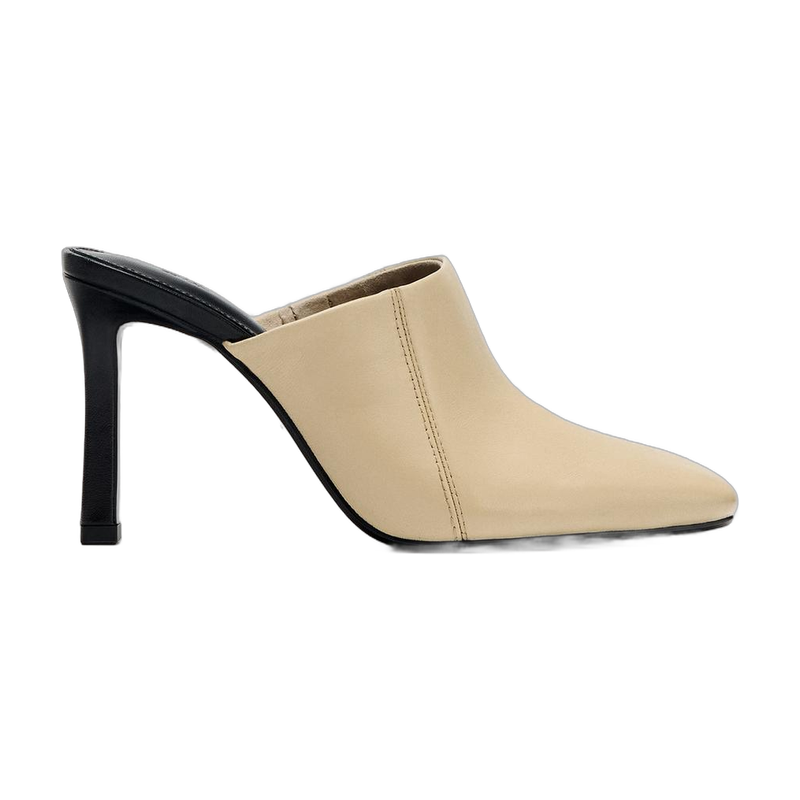
Monday
Work
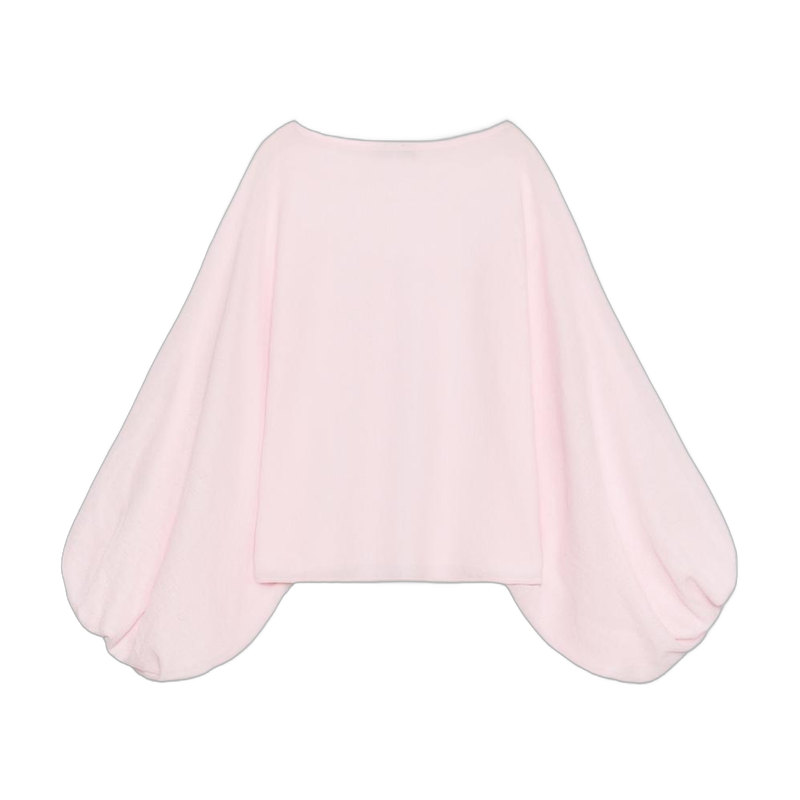
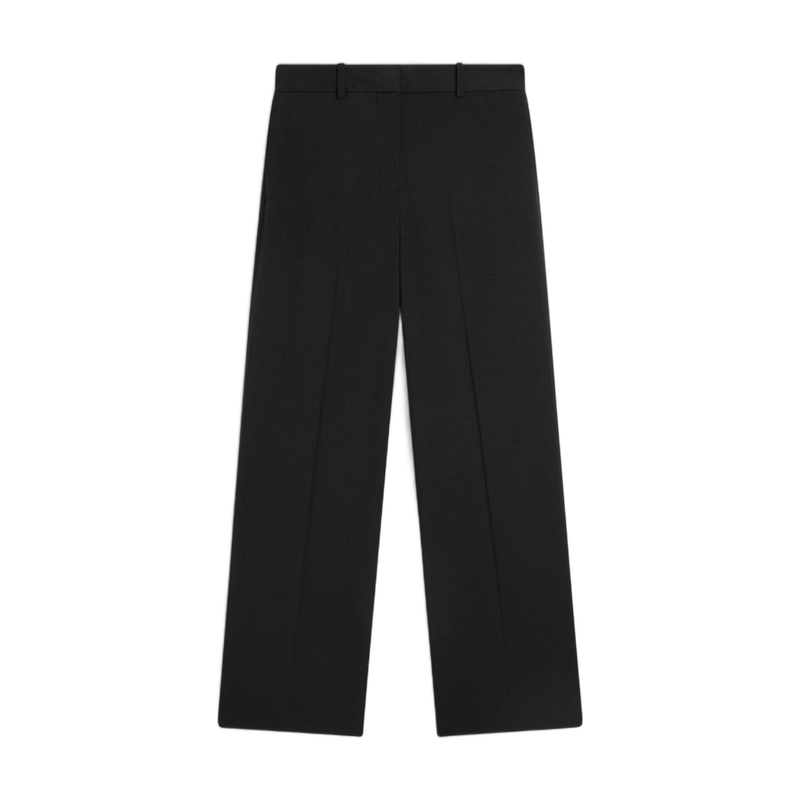
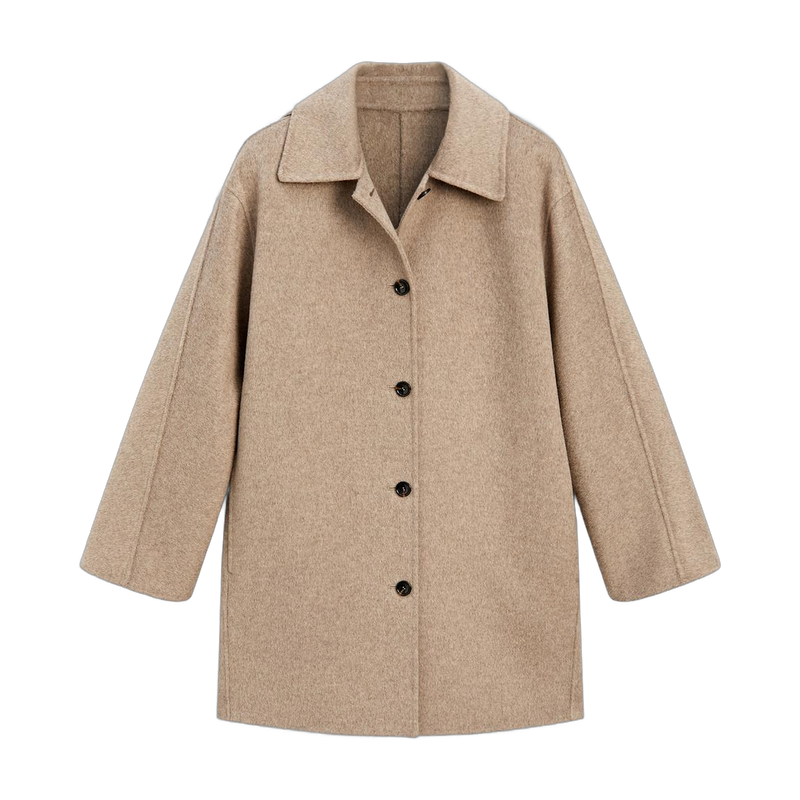
Tuesday
Everyday
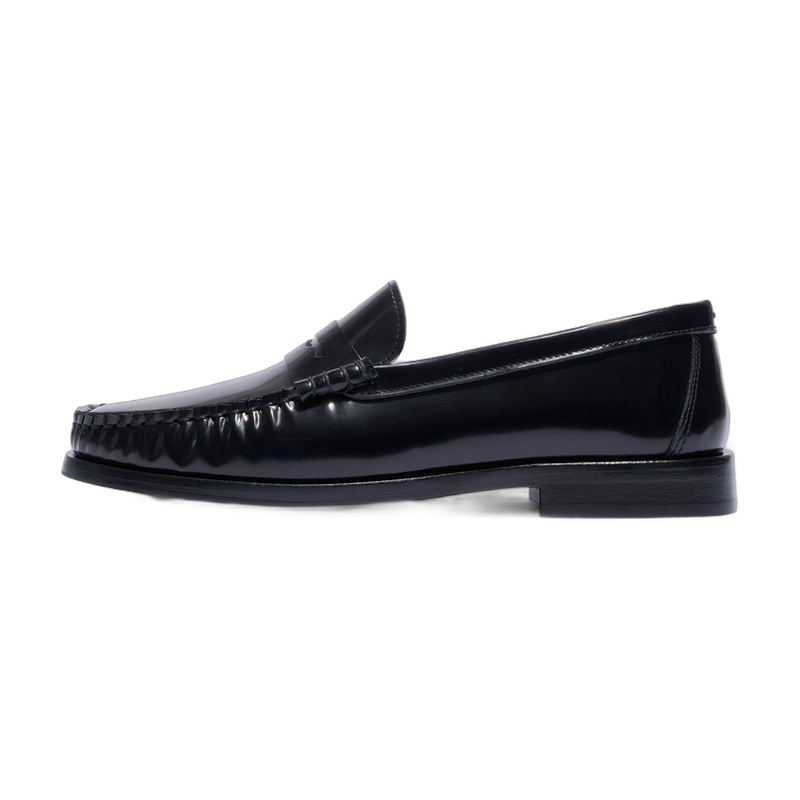
Wednesday
Travel
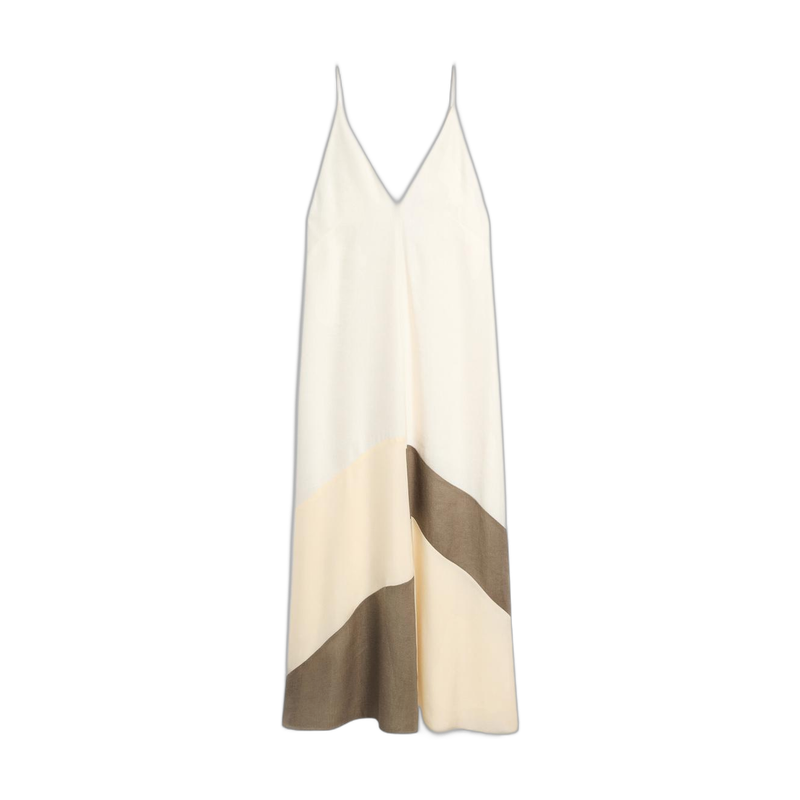
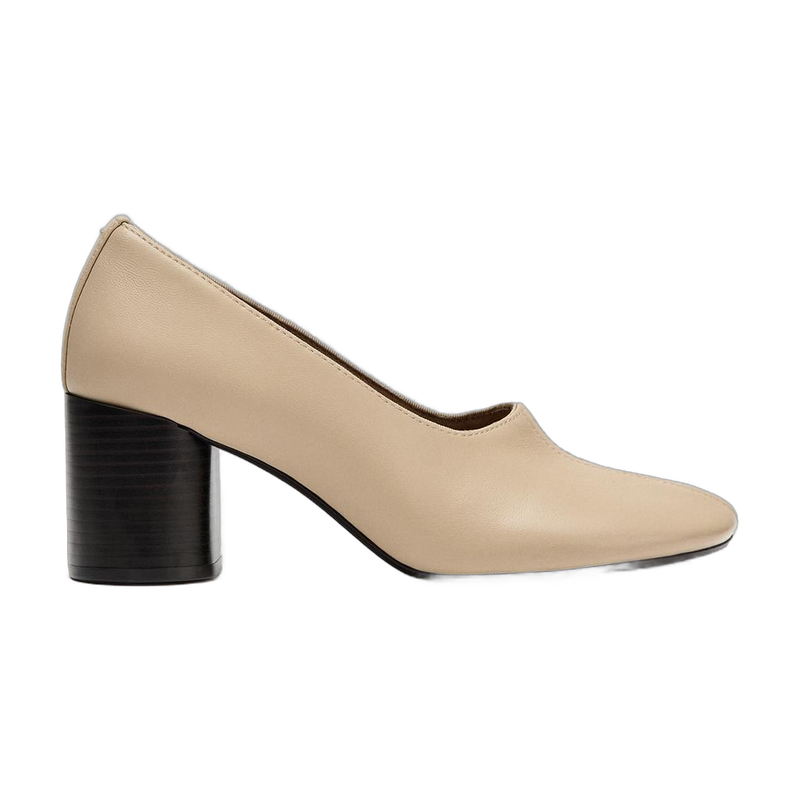
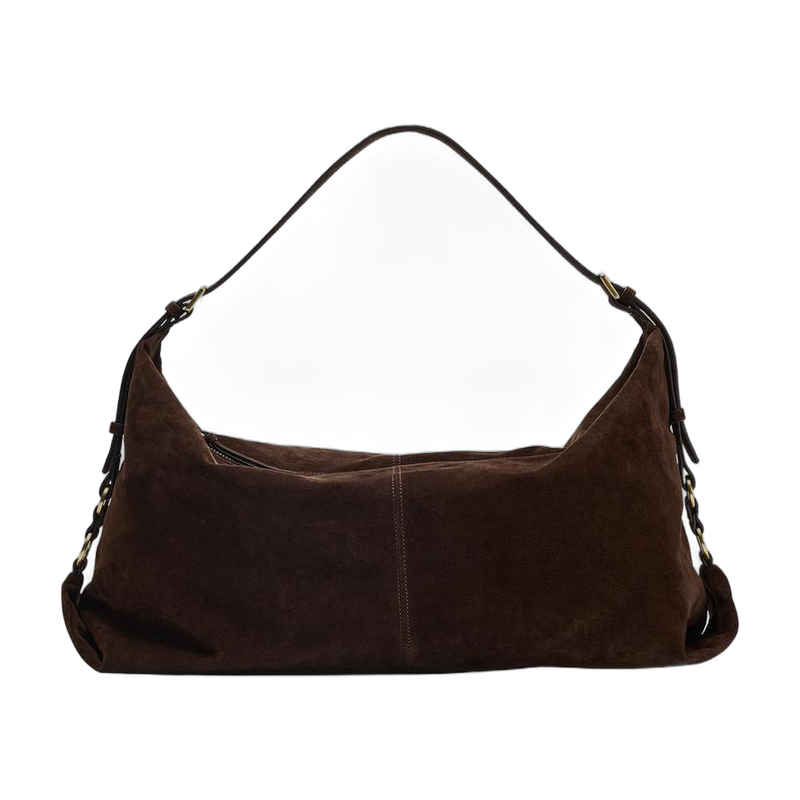
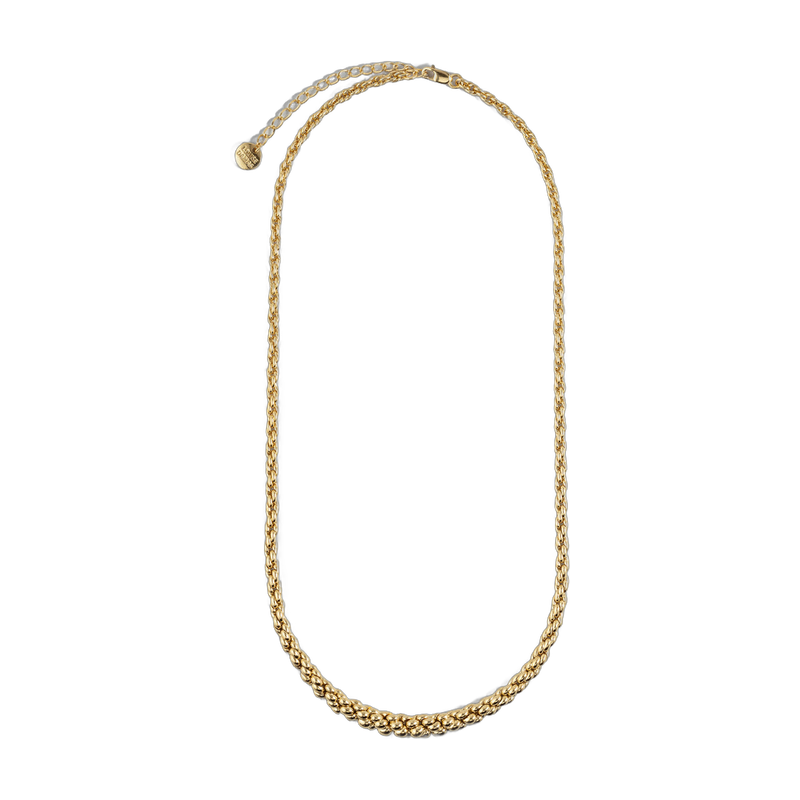
Thursday
Evening
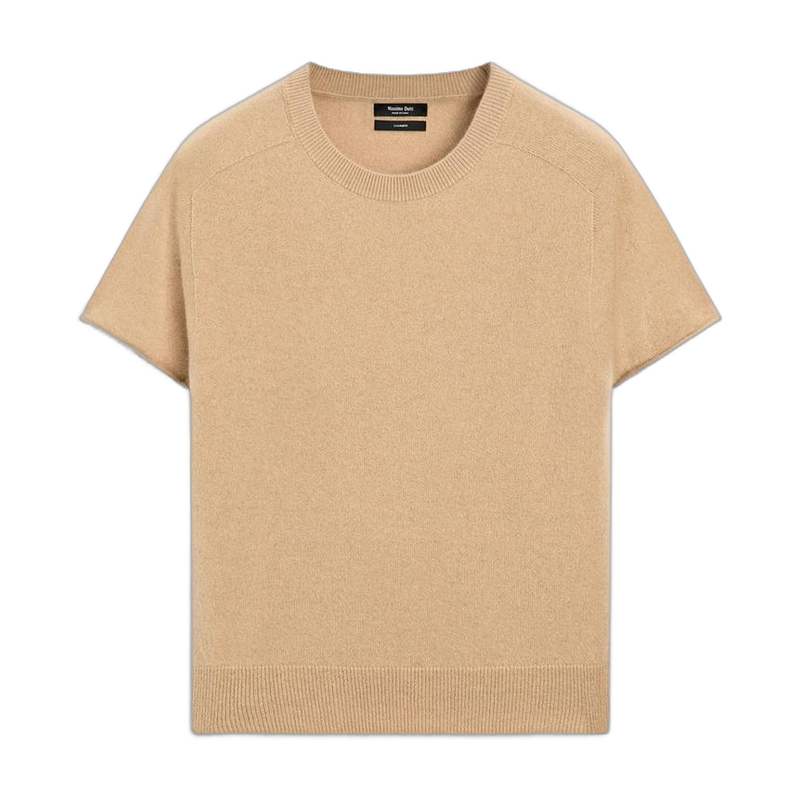
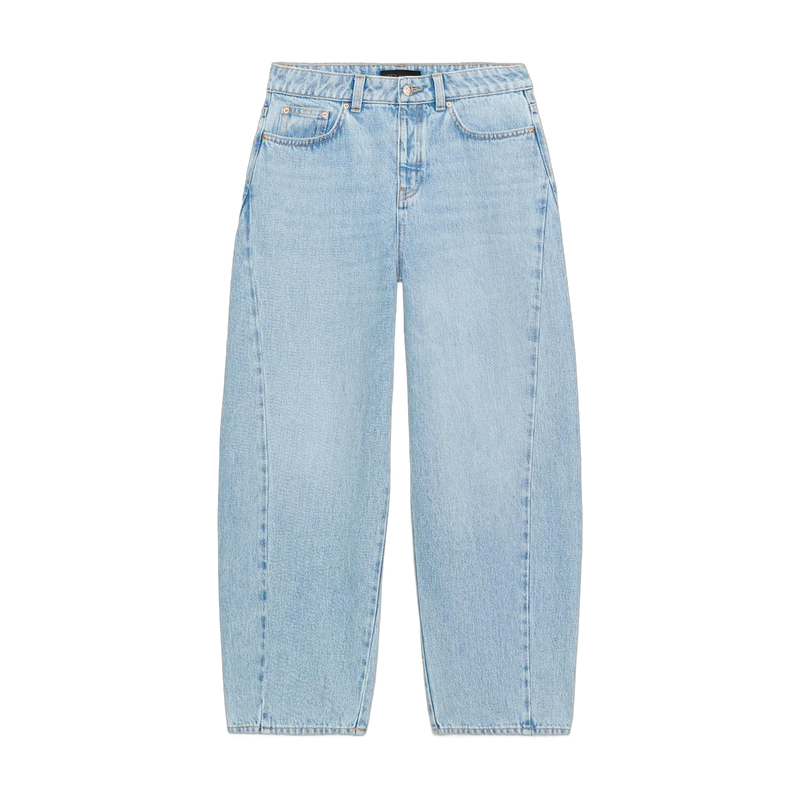
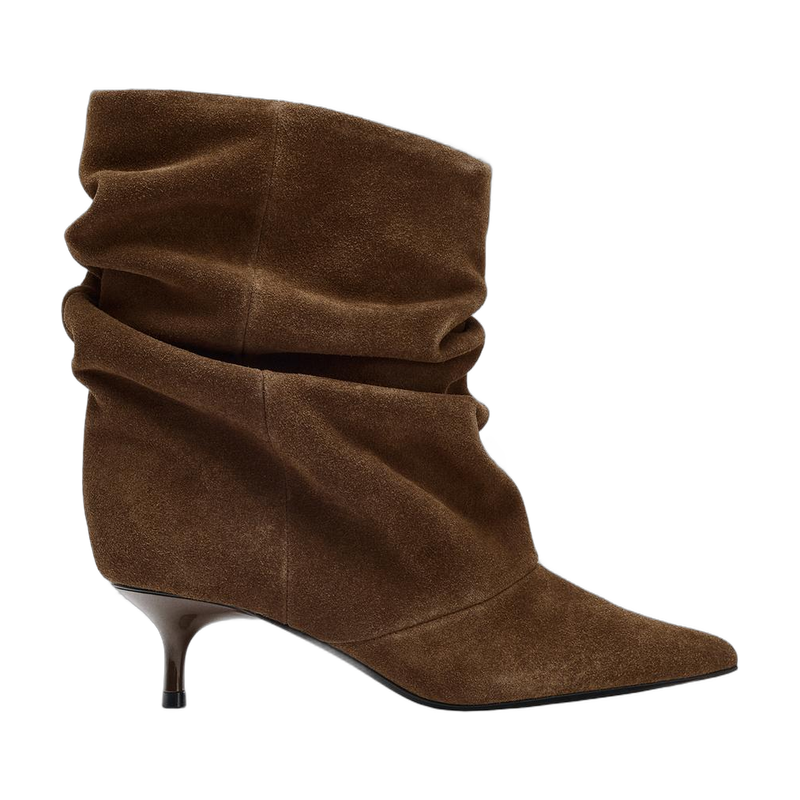
Friday
Work
Reading your numbers
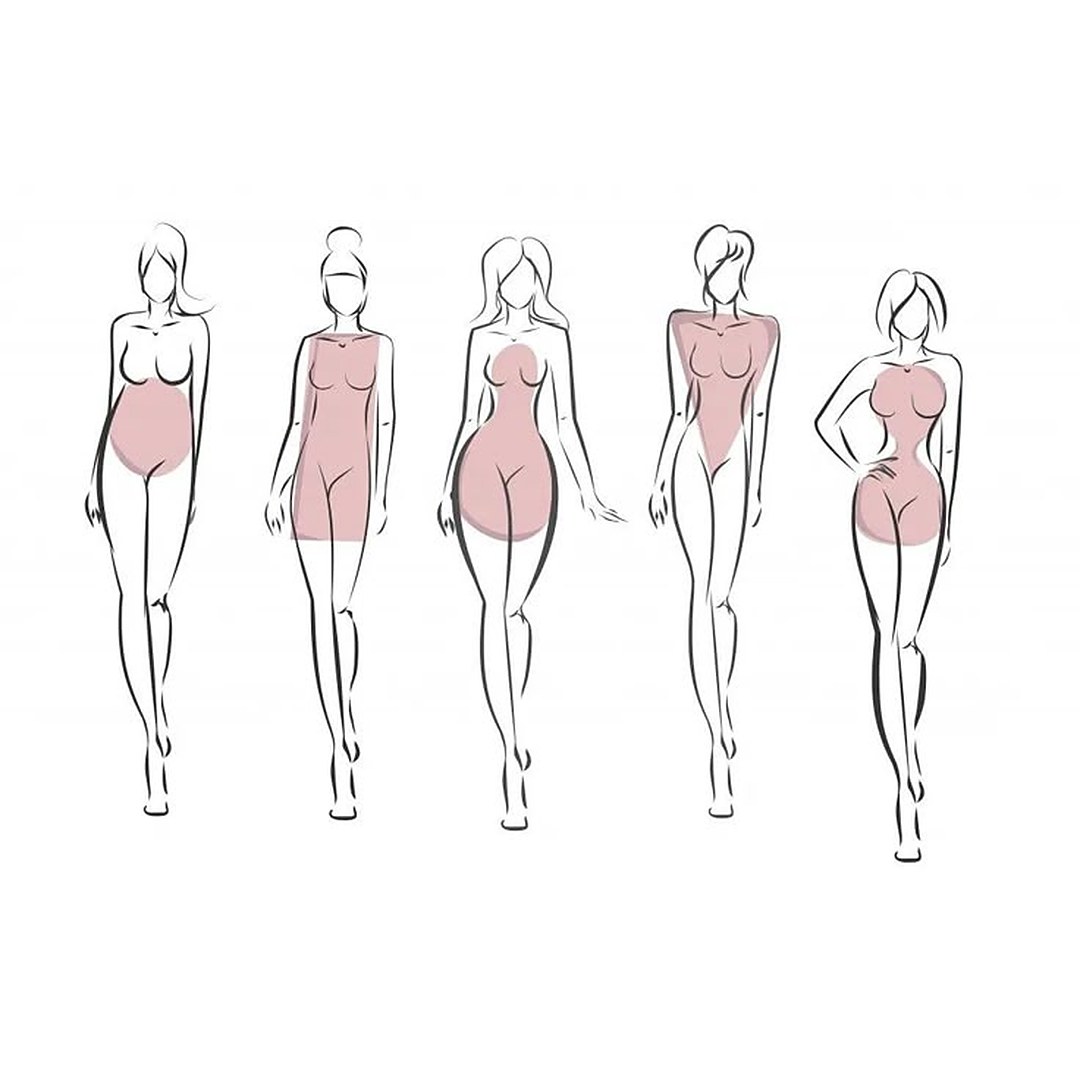
Two comparisons are enough. First, shoulders against hips: are they level, or does one clearly outweigh the other? Then the waist: is it clearly narrower than both, or does the line run almost straight between them? The answers place you, broadly, in one of five silhouettes, often written as letters because the letters draw them.
A, the pear. Hips wider than shoulders; the spoon of the American study is a close cousin. V, the inverted triangle. Shoulders wider than hips. X, the hourglass. Shoulders and hips level, waist clearly defined. H, the rectangle. Shoulders and hips level, waist gently marked. O, the round silhouette. Waist about as wide as the bust or hips, often with slim legs and arms.
Most women sit between two letters, and that is perfectly normal. The letter is a starting point for choosing cuts, nothing more.
What it changes on the rail
Sizes first. If your hips are wider than your shoulders, choose bottoms by your hip measurement and tops by your bust, even if that means two different sizes. If your shoulders lead, try jackets and coats on the shoulders first, then adjust the rest.
Then cuts. An X can wear anything that follows the waist: wrap dresses, belted coats, fitted knits. An H has the freedom of straight lines, from boyfriend jeans to a column dress, and can draw a waist with a belt whenever she feels like it. An A often finds her best trousers in a high rise with a straight or wide leg, and her jackets ending at the hip or just above. A V often loves V necks, raglan sleeves, and full skirts or wide trousers that echo the line of her shoulders. An O is at ease in fluid fabrics, open jackets and long vertical lines, from a single colour head to toe to a long cardigan worn open.
None of this is a rule to obey. These are fit notes, the kind that save you a return, not instructions on what your body should look like.
A description, not a verdict
A body shape is not a grade. It moves with pregnancy, sport, age and the seasons of a life, so measure again once a year, or whenever your clothes start to fall differently. The same goes for your size, which changes from one brand to the next because each label publishes its own chart in centimetres.
If you would rather skip the arithmetic, our free tool Body shape and sizes reads your four measurements, draws your silhouette and translates your size brand by brand. Nothing is sent or stored; it is simply there to help. It is also the very first reading a stylist does before choosing a single piece.
Next time a pair of trousers gapes at the waist, you will know it is a question of cut, not of body. You will reach for another cut, or another size for the bottom half, and leave the fitting room with the right answer instead of the wrong conclusion.
FAQ
Do I need to know my body shape to dress well?
No. It is a shortcut, not a requirement. It mainly saves time and returns, by pointing you towards the cuts and sizes most likely to fit from the first try.
Can my body shape change?
Yes. Weight changes, pregnancy, sport and age can all shift the balance between shoulders, waist and hips. Measuring yourself once a year keeps the reading accurate.
Why do I take different sizes on top and on the bottom?
Because tops are sized by the bust and bottoms by the hips, and your proportions will not always match a brand's chart on both. Choosing each half by its own measurement is the simplest way to a good fit.
The Atelier Faubourg styling team
Each month, our stylists compose your outfit plan from your style profile, your sizes and your real life.
You may also like

Style
The autumn capsule: 15 pieces from October to December
About fifteen pieces, a quiet base, a few layers and one or two accents: how to build an autumn capsule that carries you from October to December.

Style
Cost per Wear: The Only Fashion Maths That Matters
Divide the price by the number of times you wear it. That one division reorganises a wardrobe better than any sale ever will.

Style
Why You Have Nothing to Wear (And What It's Actually Costing You)
A full wardrobe and nothing to wear is not a shopping problem. It is a decision problem, and it has a measurable price.