In brief
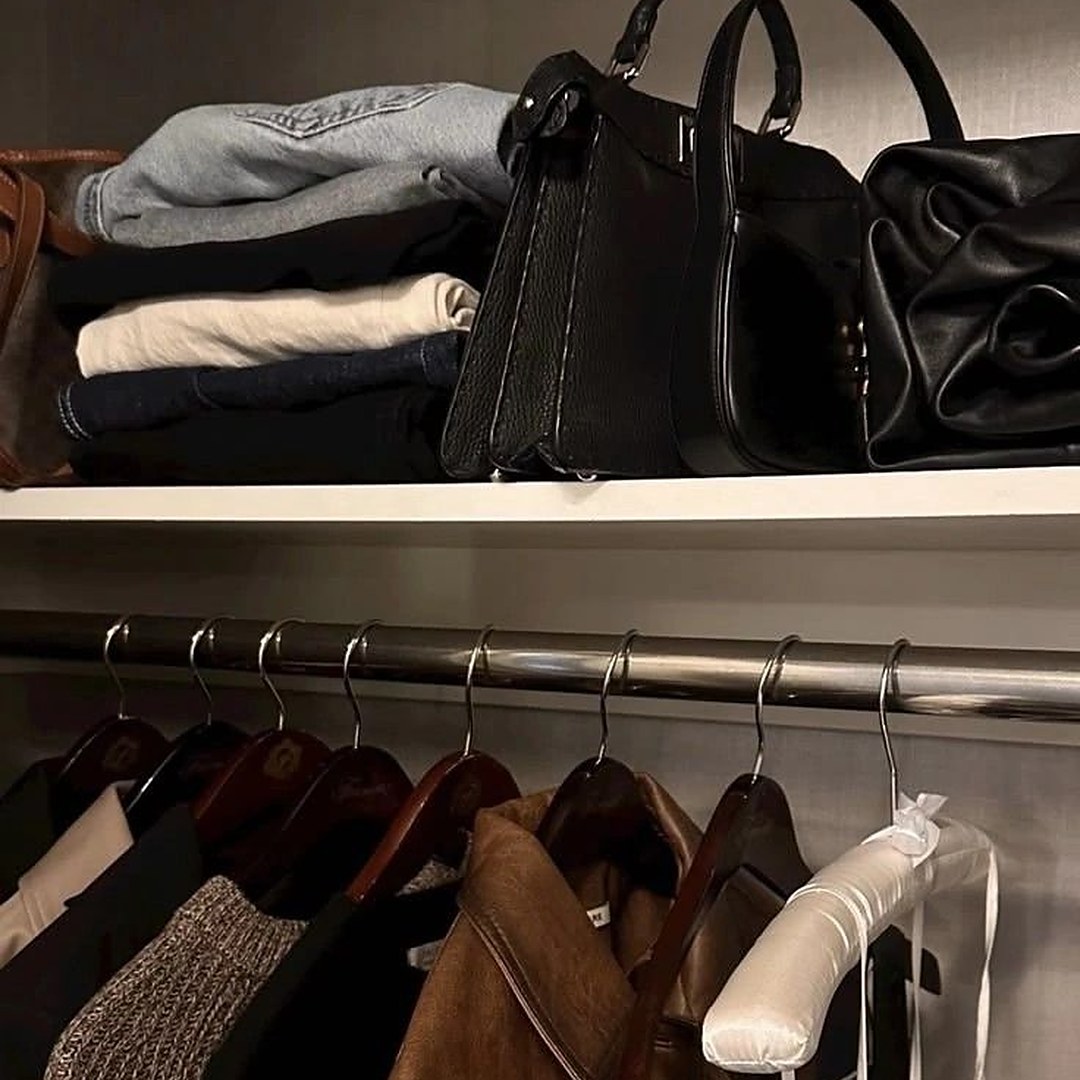
To make new outfits from the clothes you already own, give yourself one afternoon and work in order: take stock of everything, notice the pieces you actually reach for, build combinations around them and photograph every outfit that works. Only then look at what is missing, and fill one real gap instead of buying on impulse.
Sunday, late afternoon. The wardrobe door is open, the rail is full, and you still have nothing to wear on Monday. Most women know this paradox well, and it rarely comes from a lack of clothes. It comes from a wardrobe that has never been put to work as a whole.
A full rail, hard mornings
The numbers say the same thing. According to WRAP, the British organisation that studies how we use resources, around 30% of the clothing in the average wardrobe has not been worn for at least a year, most often because it no longer fits. On a global scale, the Ellen MacArthur Foundation found that clothing utilisation, the average number of times a garment is worn before it stops being used, has fallen by 36% compared with fifteen years earlier.
In other words, the problem is rarely what you own. It is how much of it you actually use. The good news is that one afternoon is enough to change that, with a bed, a mirror, good light and your phone.
Take stock
Empty the wardrobe onto the bed, one section at a time. Sort every piece into three piles: what you wear, what you could wear, and what no longer works for you. Try on anything you hesitate over: fit is the first reason clothes go unworn, so the mirror decides, not your memory.
Be practical with the third pile. A hem that is too long or a waistband that gapes is a job for a tailor, not a reason to give up a good piece. What is truly finished can be given away, sold or recycled. Put the first two piles back by category, with the pieces you wear most at eye level.
Find your regulars
Every wardrobe has its regulars: the trousers you wear three times a week, the knit that goes into every suitcase, the shoes that work with everything. Write them down. They are your foundations, and they say more about your real style than any mood board.
Look at what they have in common. Often it is a colour family, a cut you feel at ease in, or a fabric that suits your climate. That common thread becomes your filter for everything that follows, including your next purchase.
A week with Atelier Faubourg
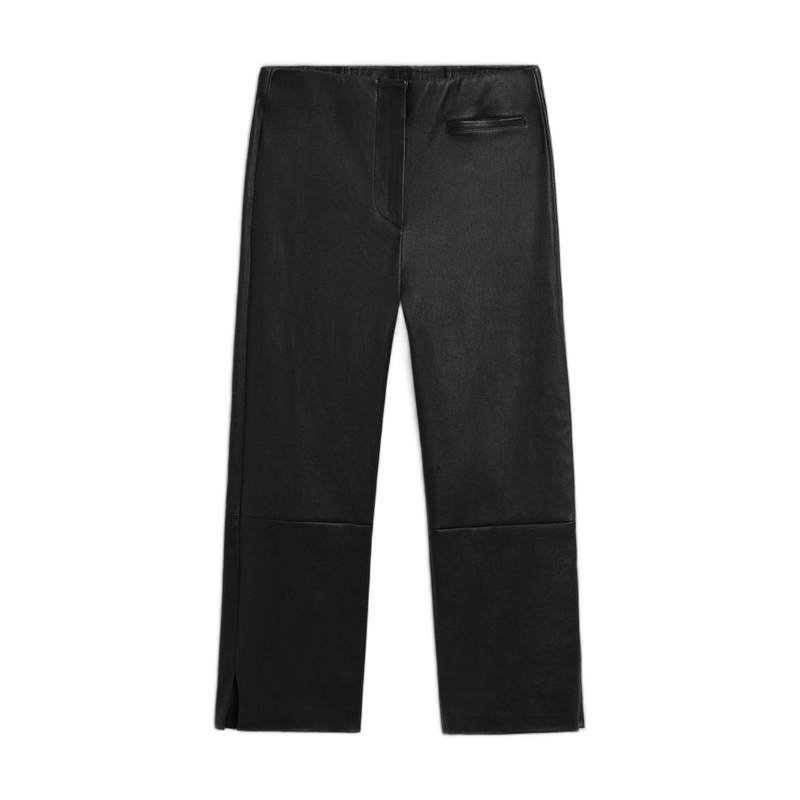
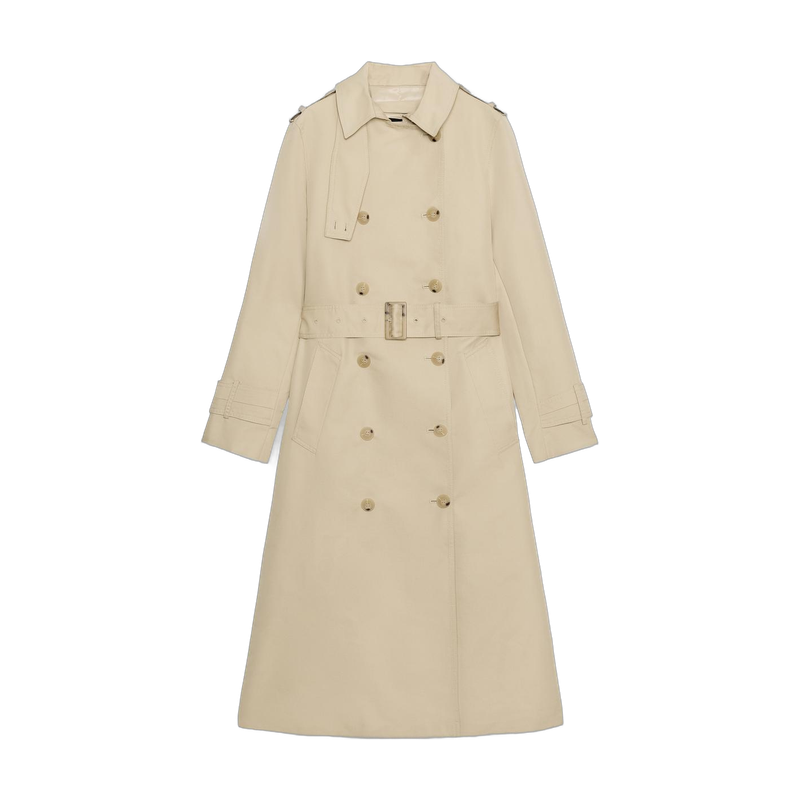
Every day has its outfit, made for what you do that day.
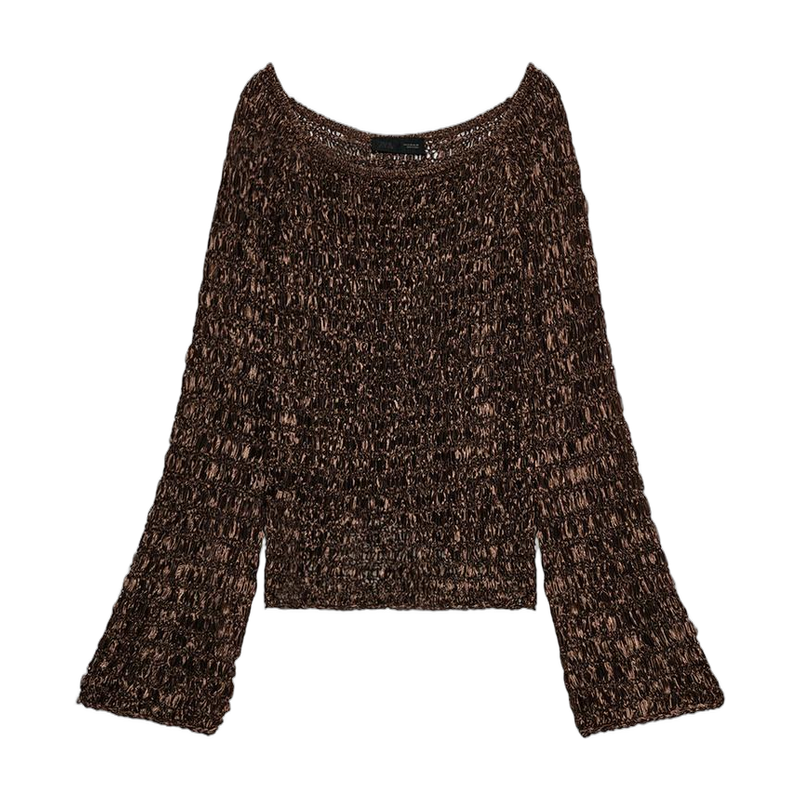
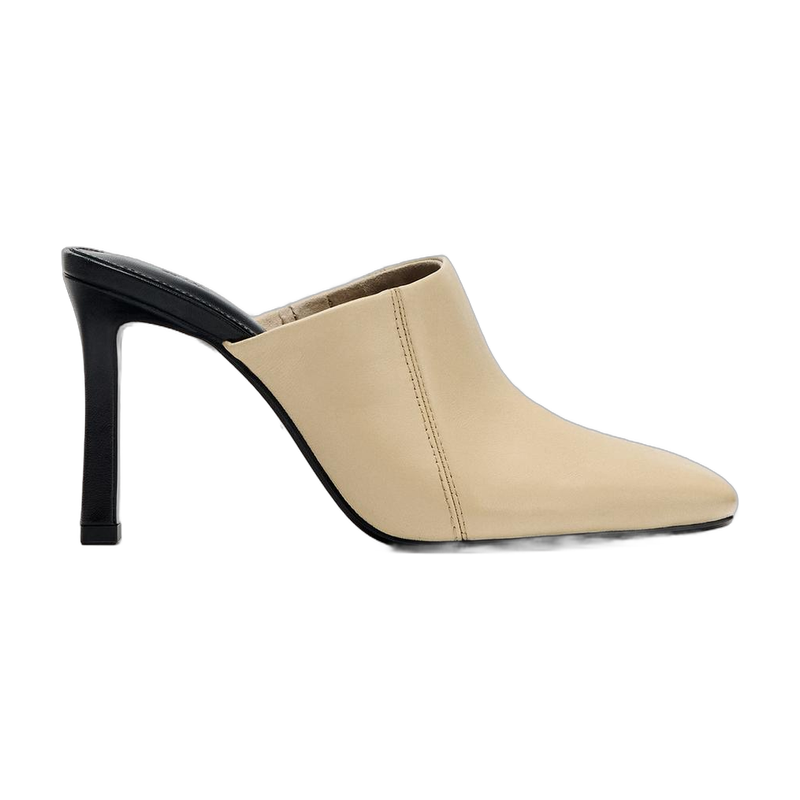
Monday
Work
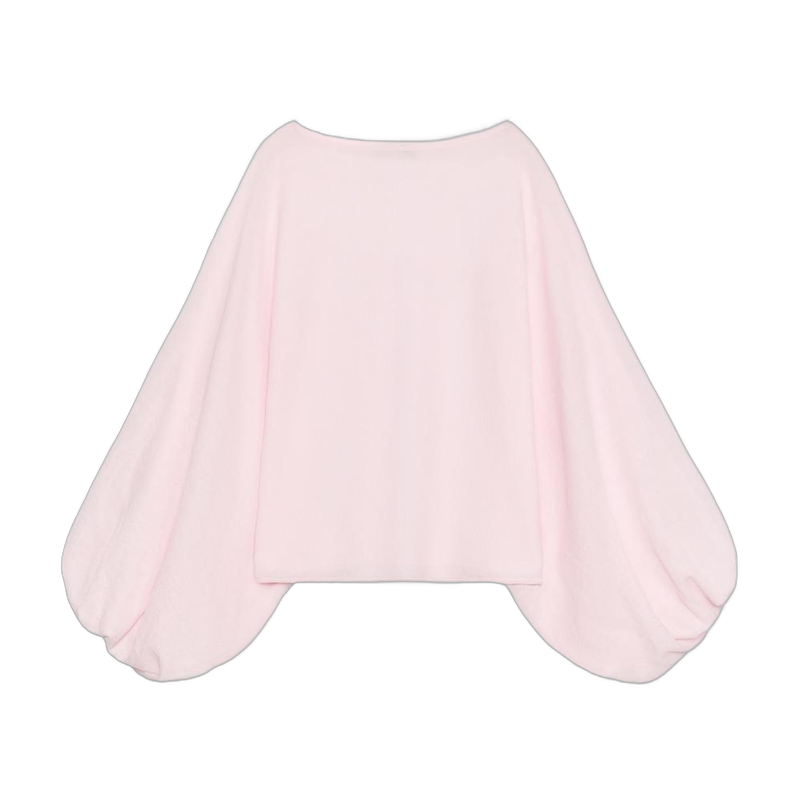
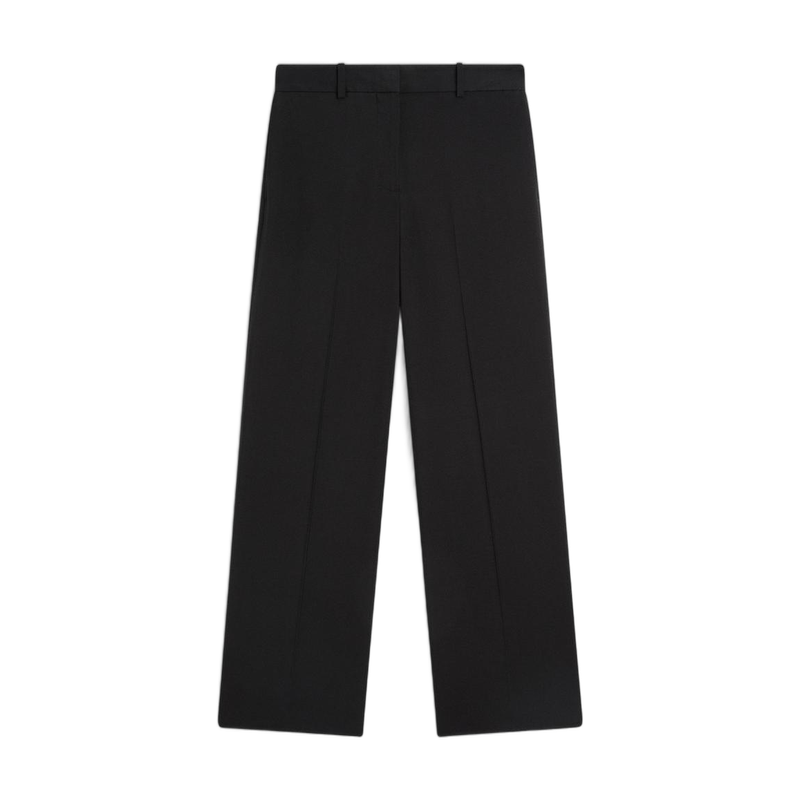
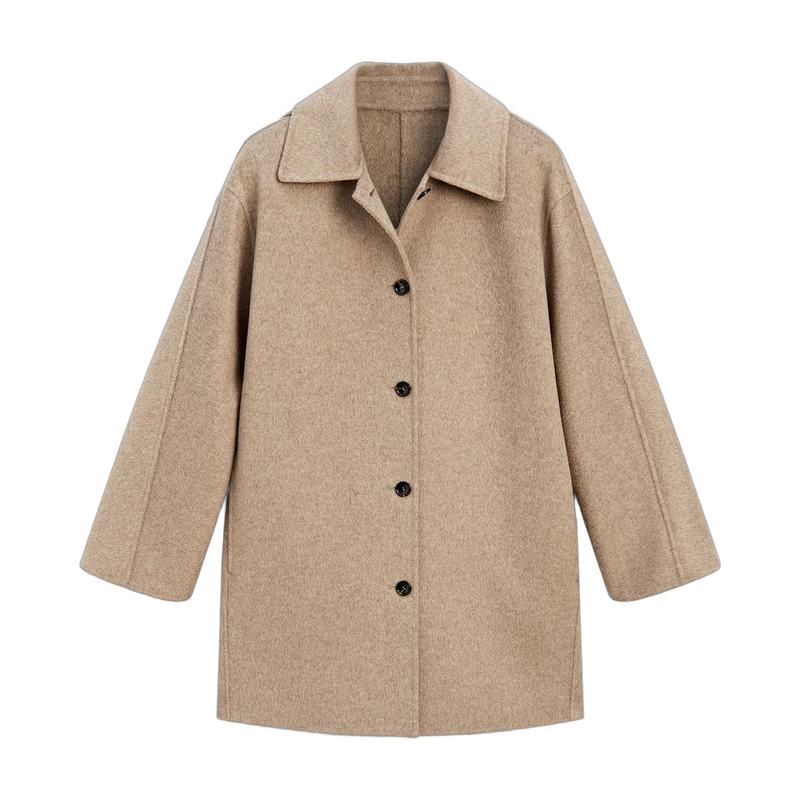
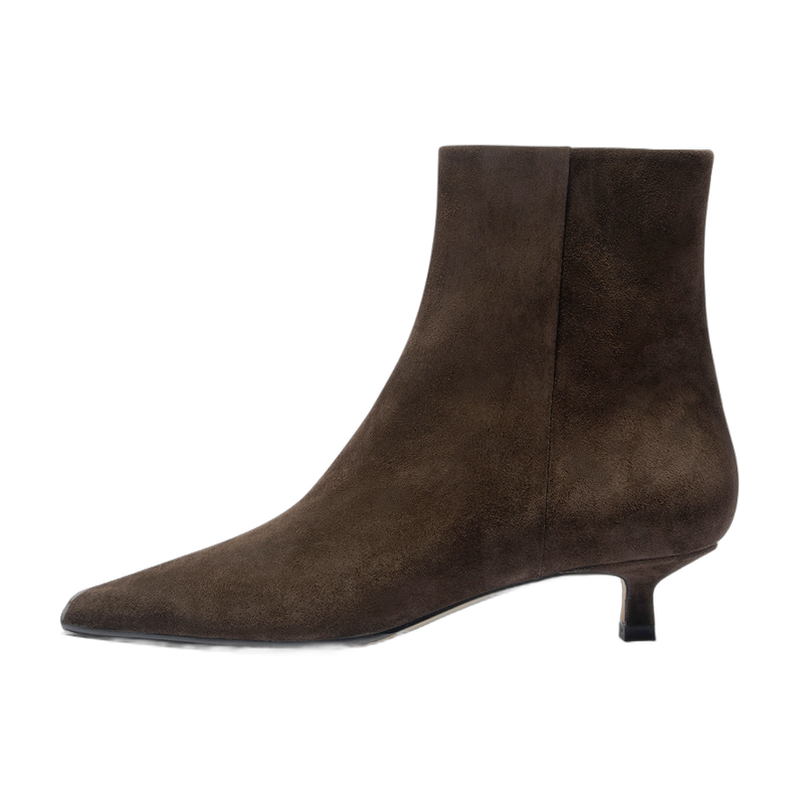
Tuesday
Everyday
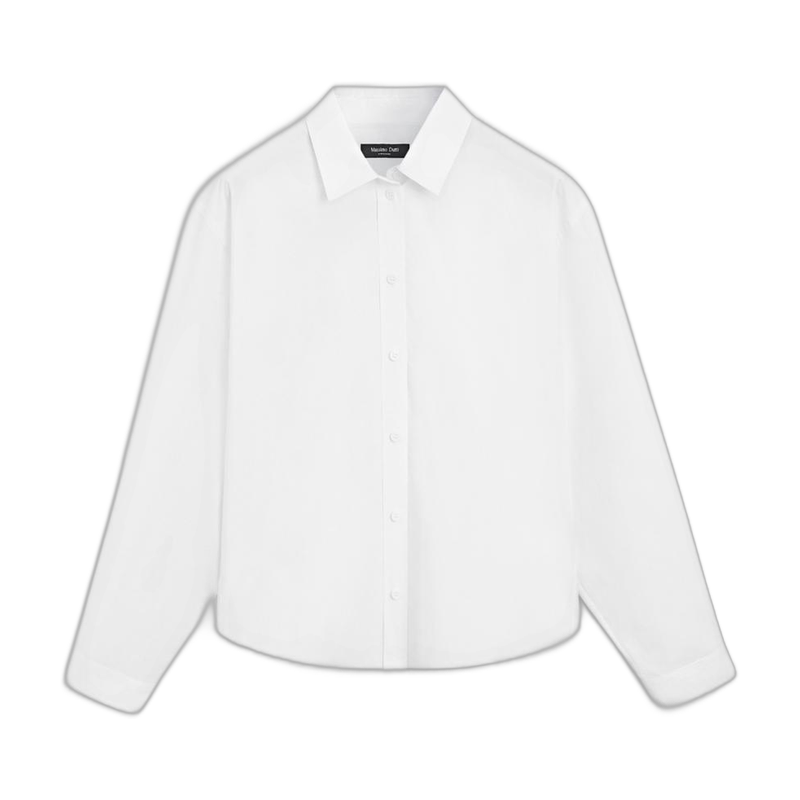
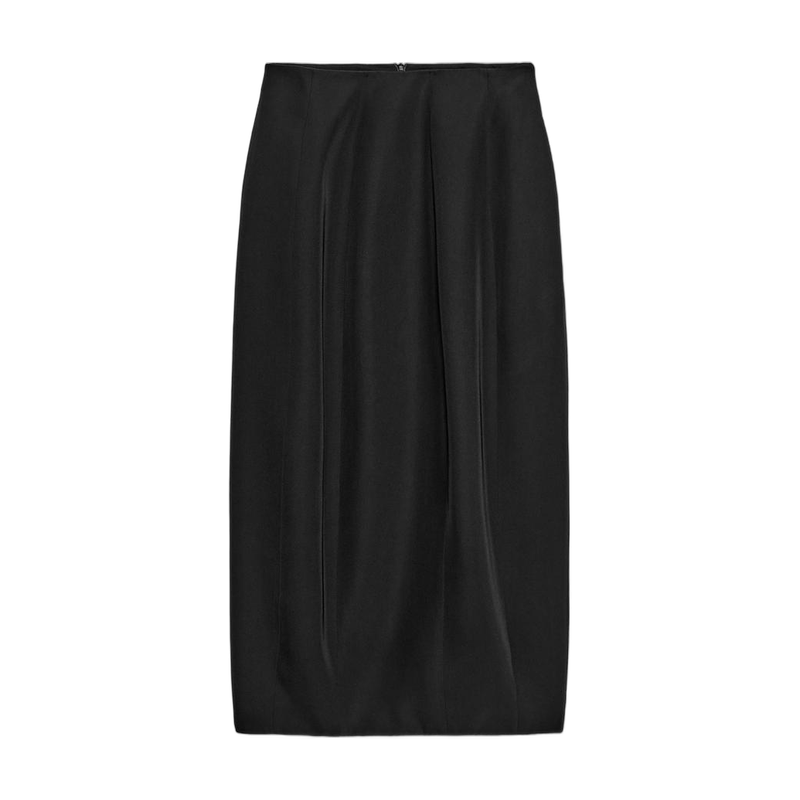
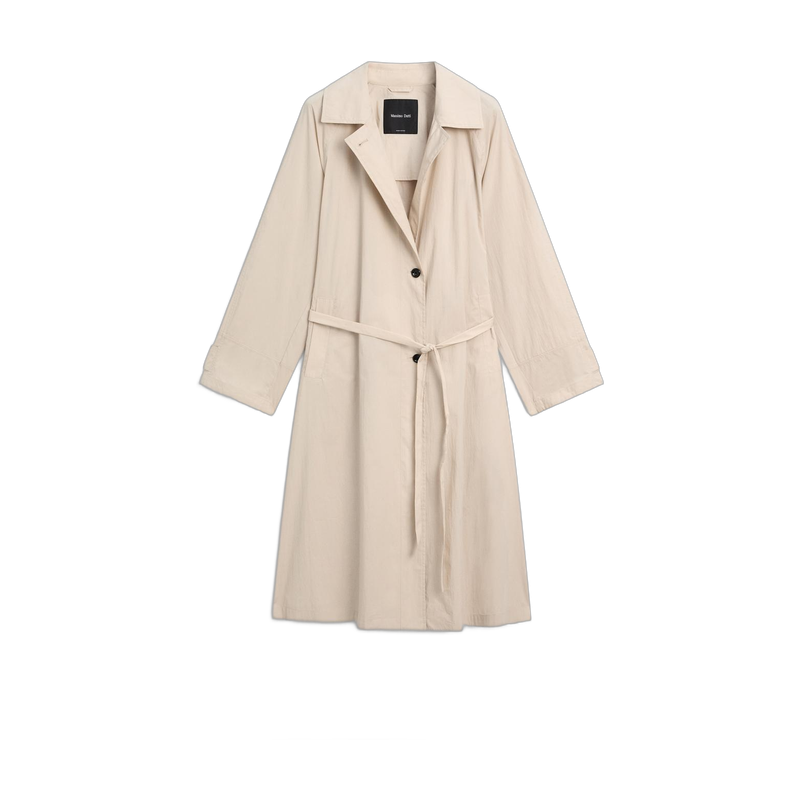
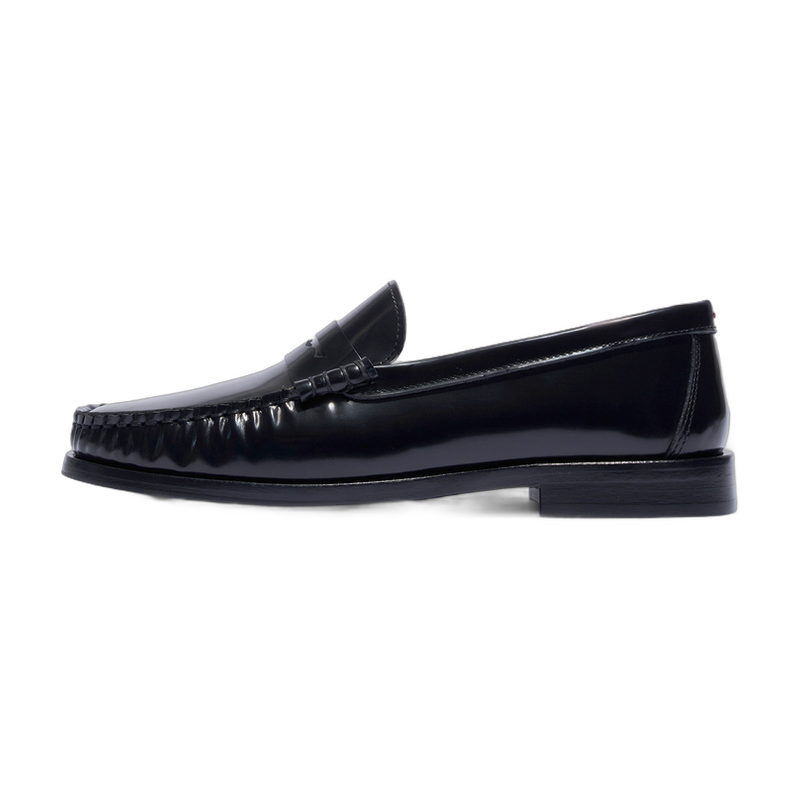
Wednesday
Travel
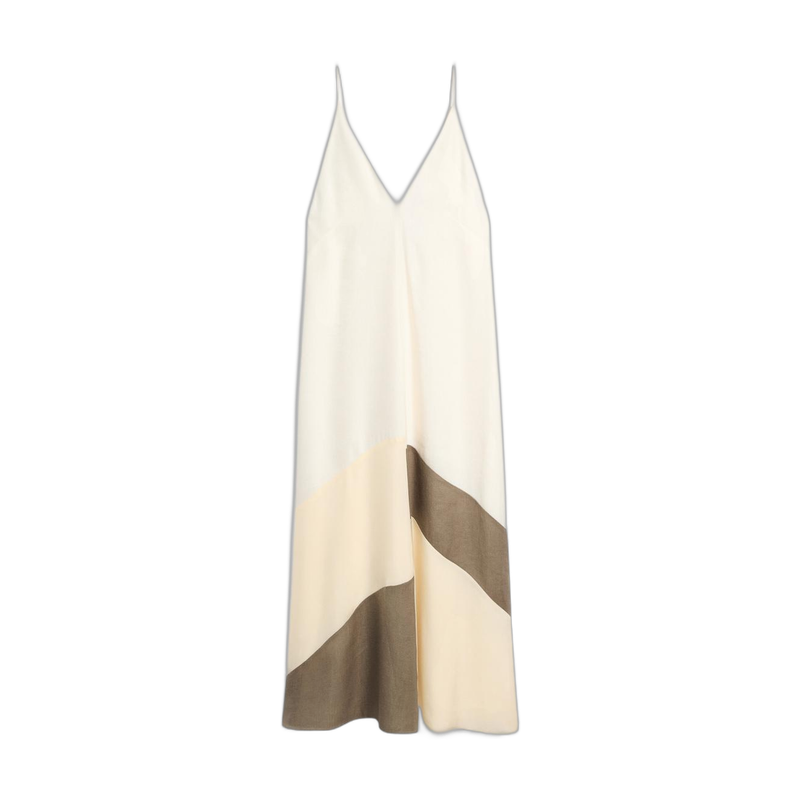
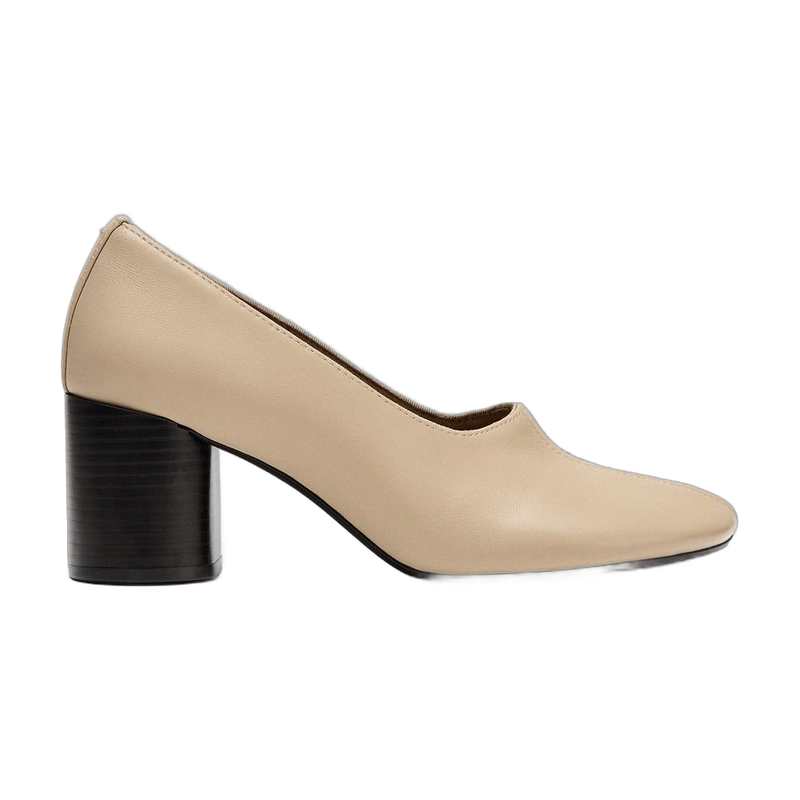
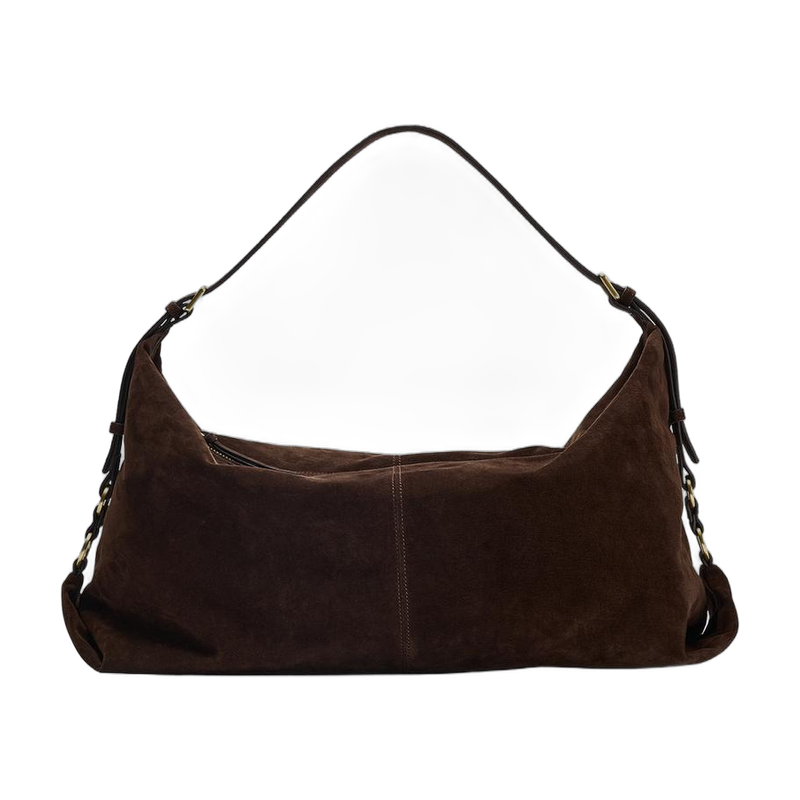
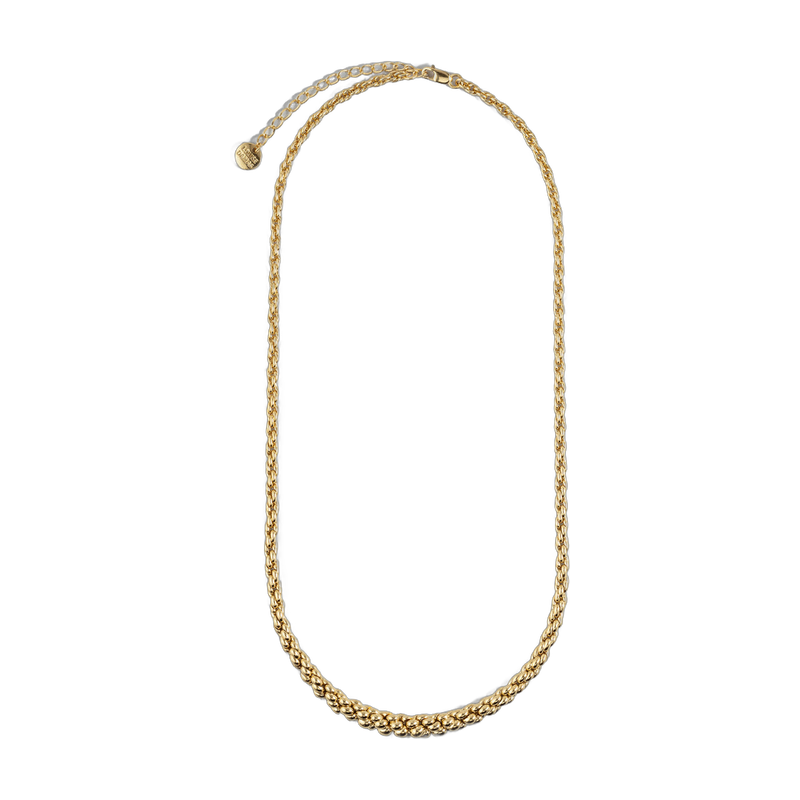
Thursday
Evening
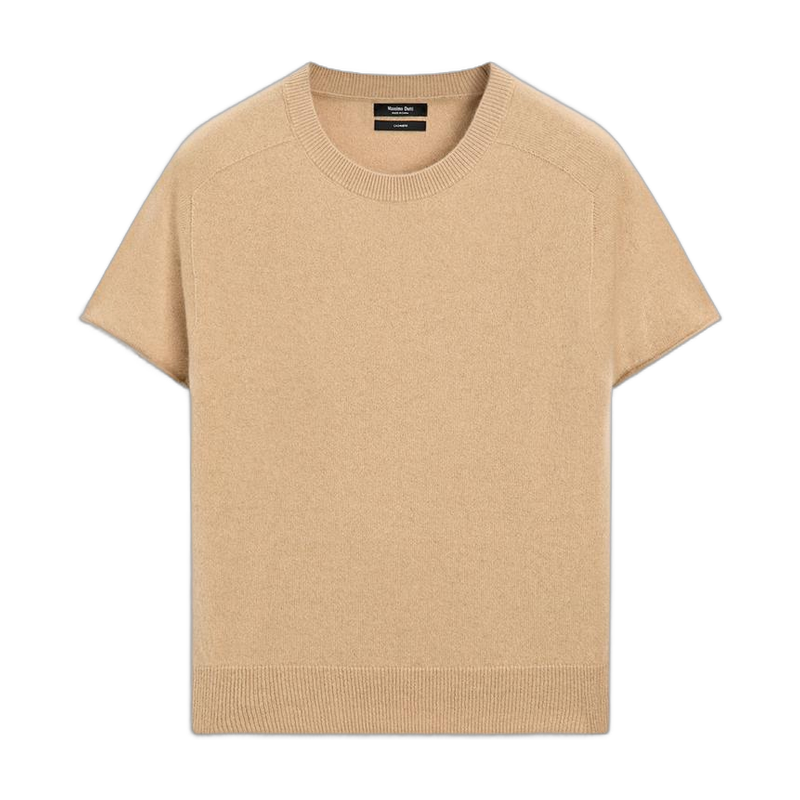
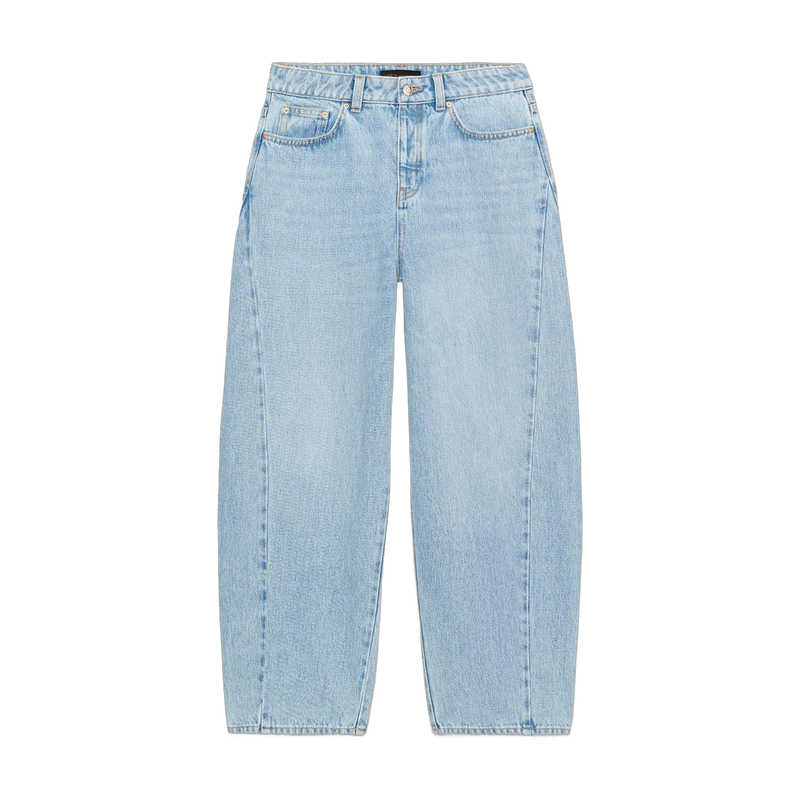
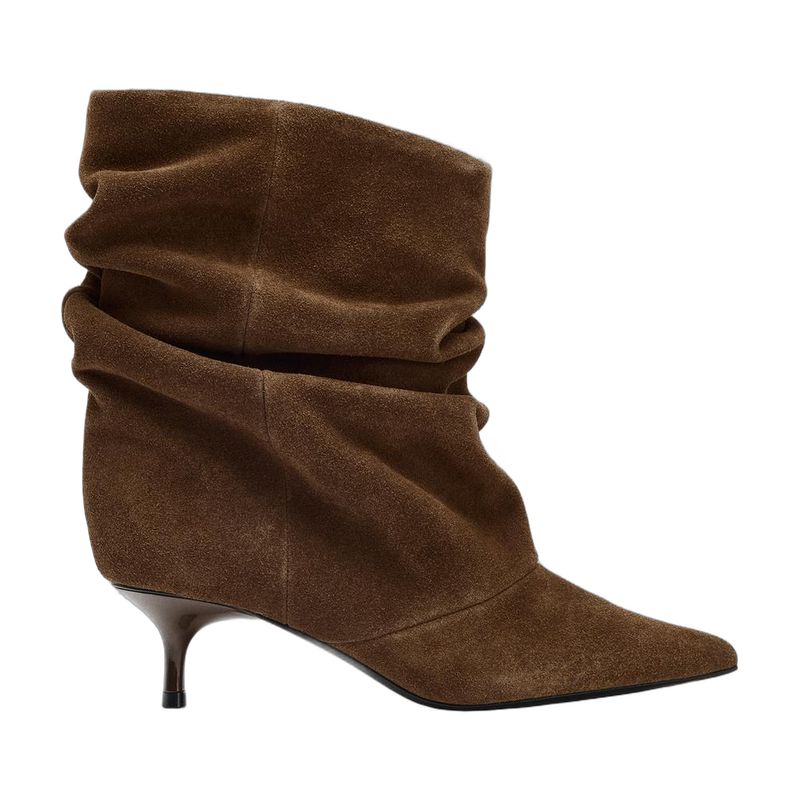
Friday
Work
Build the combinations
Now work outwards from those regulars. Take one favourite piece and build three different outfits around it: one for work, one for the weekend, one for the evening. Change the shoes, the bag, the top layer: the same trousers tell a different story with a crisp shirt and loafers than with a fine knit and sandals.
Then bring in the second pile, the pieces you could wear. A forgotten skirt often needs nothing more than the right top to come back to life. A useful rule: every outfit has one point of interest, a colour, a texture or a piece of jewellery, and everything else supports it. If a piece goes with nothing at all by the end of the exercise, you have your answer.
Photograph every outfit
Whenever an outfit works, photograph it head to toe, in front of a mirror or a plain wall. Keep the pictures in a single album on your phone, sorted by occasion if you like. On a rushed morning, you will choose from finished looks rather than from loose pieces.
The album has a second life, too. Within a few weeks it shows what you wear, what you never choose and the combinations you keep coming back to. It is also the most useful thing to take shopping, because it shows exactly what a new piece will need to go with.
Fill a gap, not a whim
Once the outfits are photographed, the gaps become obvious. Perhaps half of your looks are waiting for a neutral jacket, or every evening outfit stalls for lack of the right pair of shoes. Write the gap down as precisely as you can: the piece, the colour, the fabric, the season.
That short list is your filter. Before buying anything, ask how many of your photographed outfits the new piece would complete. If the answer is three or more, it is a real gap. If the answer is none, it is a whim, however beautiful the piece.
Back to Sunday evening. The rail is the same, perhaps a little lighter, but Monday is already decided: it is waiting in an album on your phone, among twenty other outfits you did not know you owned.
FAQ
How long does it take to make outfits from your own wardrobe?
One afternoon is enough for a first pass: about an hour to sort, an hour to build combinations and the rest to photograph them. After that, a few minutes at the start of each season keeps the album up to date.
How can I get more outfits from fewer pieces?
It depends less on the number of pieces than on how well they work together. Pieces in a shared colour family and in simple cuts combine far more freely than a wardrobe of isolated statement pieces.
What should I do with clothes I never wear?
Try them on first: if fit is the problem, a tailor can often fix it. If a piece still goes with none of your photographed outfits, give it away, sell it or recycle it.
The Atelier Faubourg styling team
Each month, our stylists compose your outfit plan from your answers, your sizes and your real life.
You may also like

Style
The five colours that go with everything you already own
Navy, camel, ivory, grey and one earth tone: five neutrals that finally connect the pieces already in your wardrobe.
Style
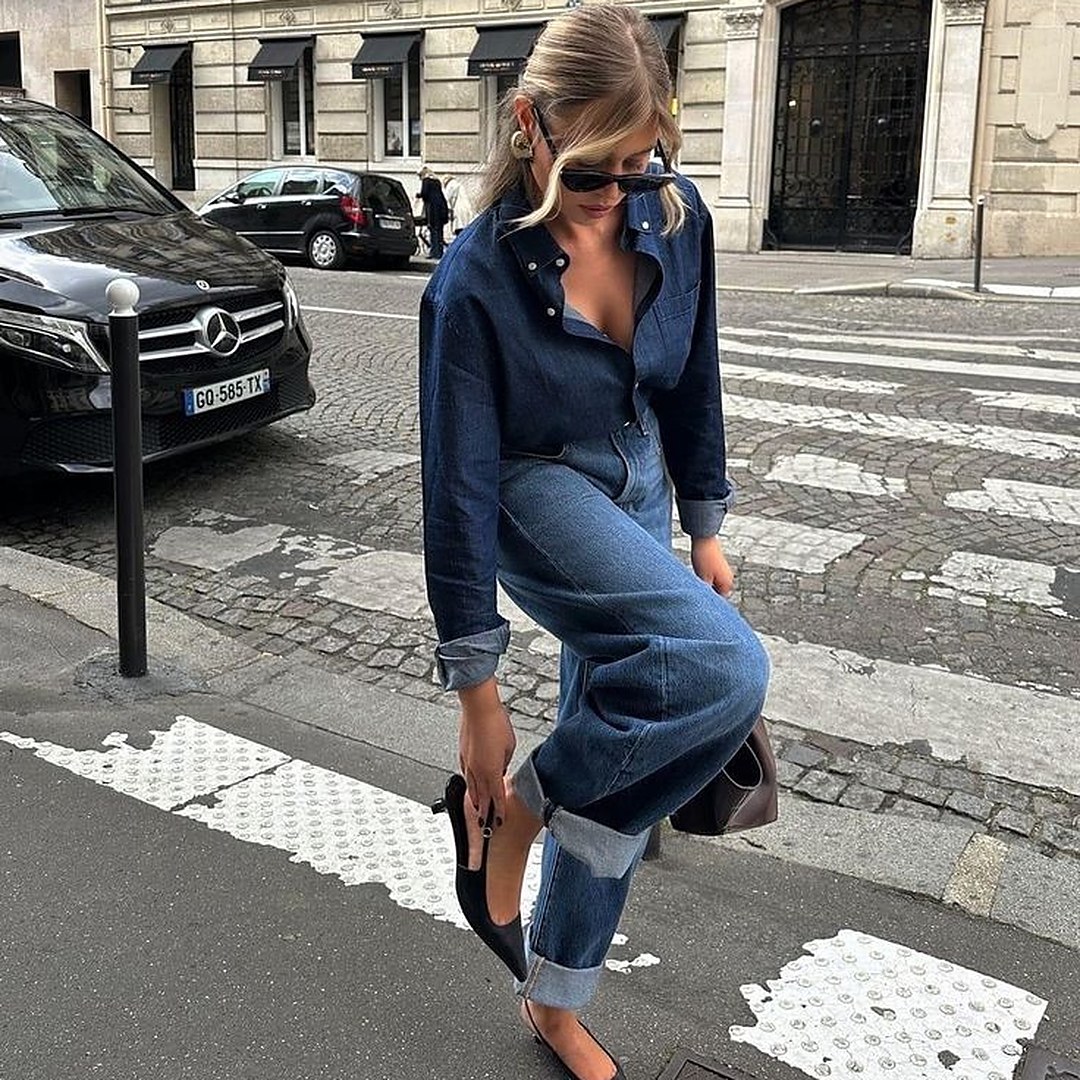
Which Jean Cut for Your Silhouette: Rise, Leg and Hem, Decoded
High or mid rise, straight, wide leg, bootcut or barrel: how to choose the jean cut and hem length that suit your silhouette and your shoes.
Style
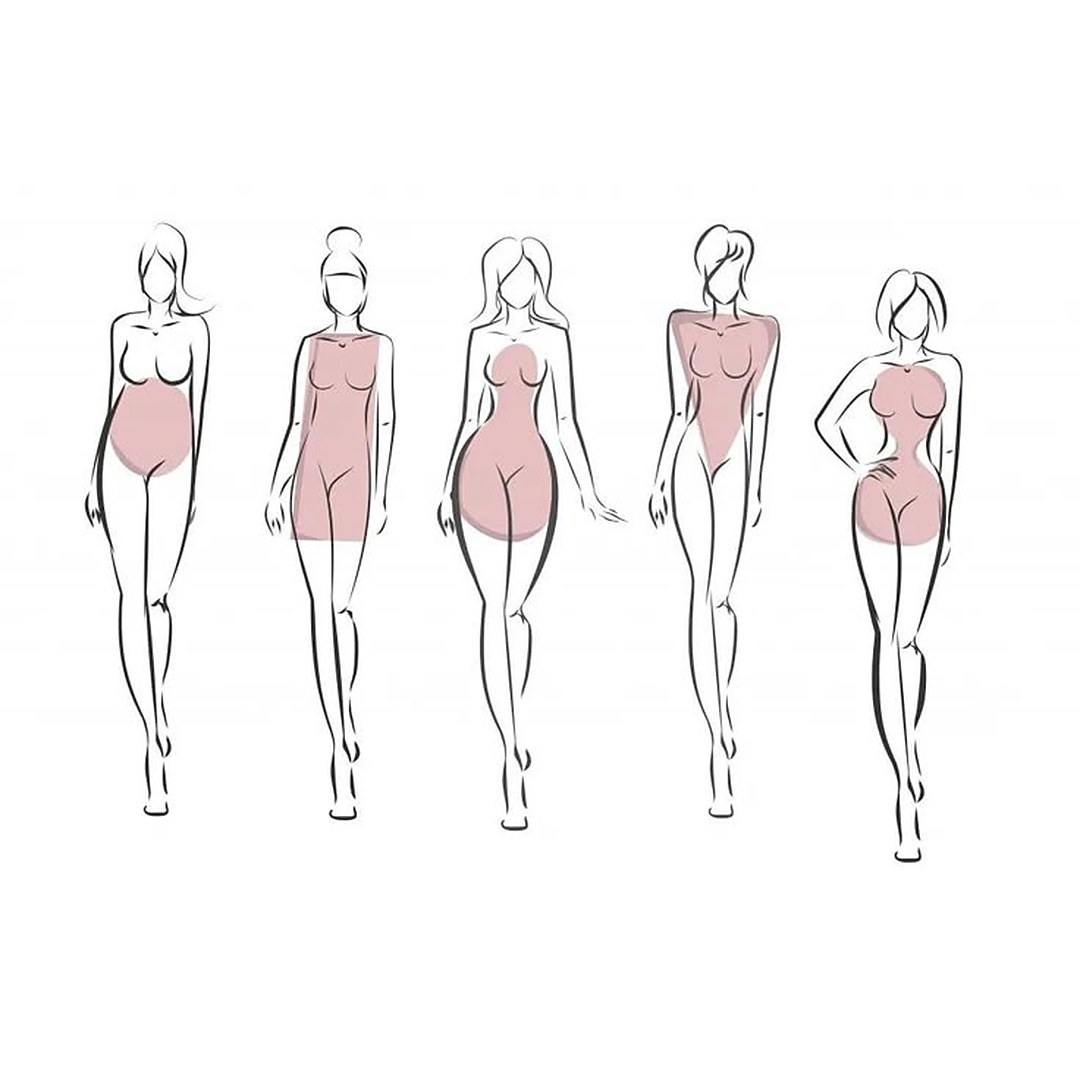
Your body shape in four measurements: what it really changes
Shoulders, bust, waist, hips: how to measure them, how to read your silhouette, and what it changes when you choose cuts and sizes.