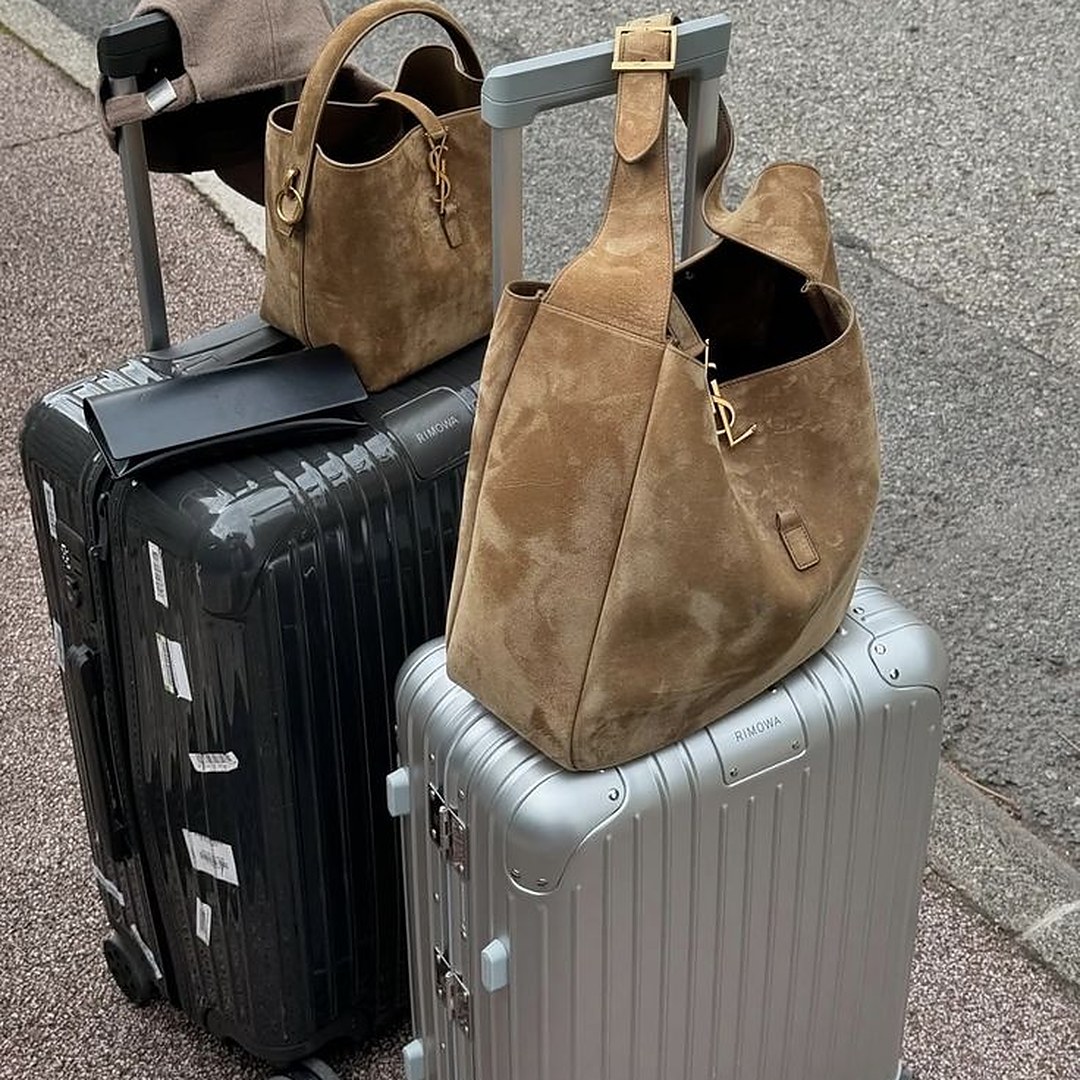
Going Home for the Holidays: One Suitcase, Two Seasons
Flying from the Gulf heat to a European winter, or back again? How to dress for the plane and pack one suitcase that works in both climates.
In brief
To fly from a hot country to a European winter with one suitcase, pack for the cold and wear the bridge between the two. Choose light base pieces that work in both climates, add a warm middle layer, and wear the coat and boots rather than packing them. Keep the palette tight so every piece goes with every other, and dress for the cabin, not the destination.
It is late December in Dubai and the terrace is still warm at night. In the hallway, an open suitcase is waiting for a decision: sandals or boots, linen or cashmere, the life you live now or the one you are flying back to for a fortnight. Every woman who lives abroad and goes home for the holidays knows this moment. The answer is not a bigger case. It is a smarter one.
The gap you are packing for
Start with the numbers, because they explain everything. According to the World Meteorological Organization, the mean daily maximum in Dubai in December is 26.2°C, with nights around 15°C. In London the same month, the WMO's figures give a mean maximum of 8.4°C and a mean minimum of 3.4°C. That is a gap of almost 18 degrees between the two afternoons, before you even count the wind and the rain.
The reverse trip, from a European winter to the Gulf, carries the same gap in the other direction. In both cases you leave in one season and land in another, often on the same day. A suitcase built for only one of the two will fail you at the airport door. A suitcase built carefully for both is lighter than you think.
Dress for the plane, not the destination
The cabin is a climate of its own. According to the CDC's Yellow Book, aircraft cabin air is typically dry, with humidity usually between 10 and 20 percent, and cabins are pressurised to the equivalent of 1,830 to 2,440 metres of altitude. Skin tightens, eyes feel gritty, and the temperature swings from chilly at boarding to stuffy halfway through. The right outfit is the one you can adjust without leaving your seat.
Comfort is also a question of health. For journeys of four hours or more, the NHS advises wearing loose clothing, drinking plenty of water, avoiding alcohol and walking around when you can, to lower the risk of deep vein thrombosis. So leave the rigid jeans and the tight waistband for later. Choose soft wide trousers or a pull-on knit pair, a fine knit top, a long cardigan or an unstructured blazer, and flat shoes that slip off easily on board.
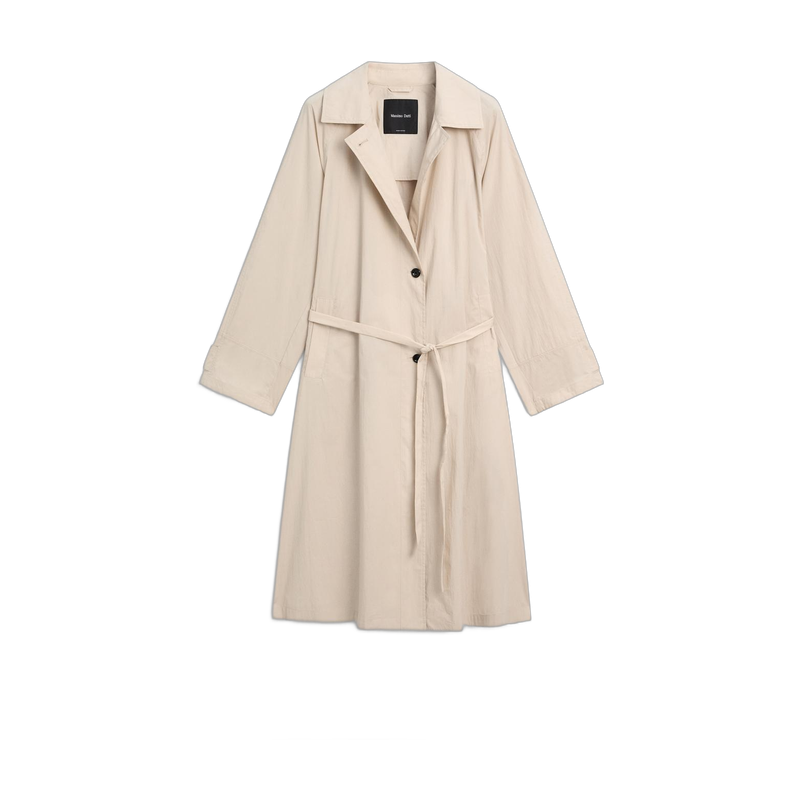
Then wear your heaviest pieces. The wool coat, the chunky knit and the boots would fill half the suitcase, yet they weigh nothing on your body. Leaving Dubai, carry the coat over your arm until the gate. Landing in Paris or London, it is the first thing you will need anyway.
A week with Atelier Faubourg
Every day has its outfit, made for what you do that day.
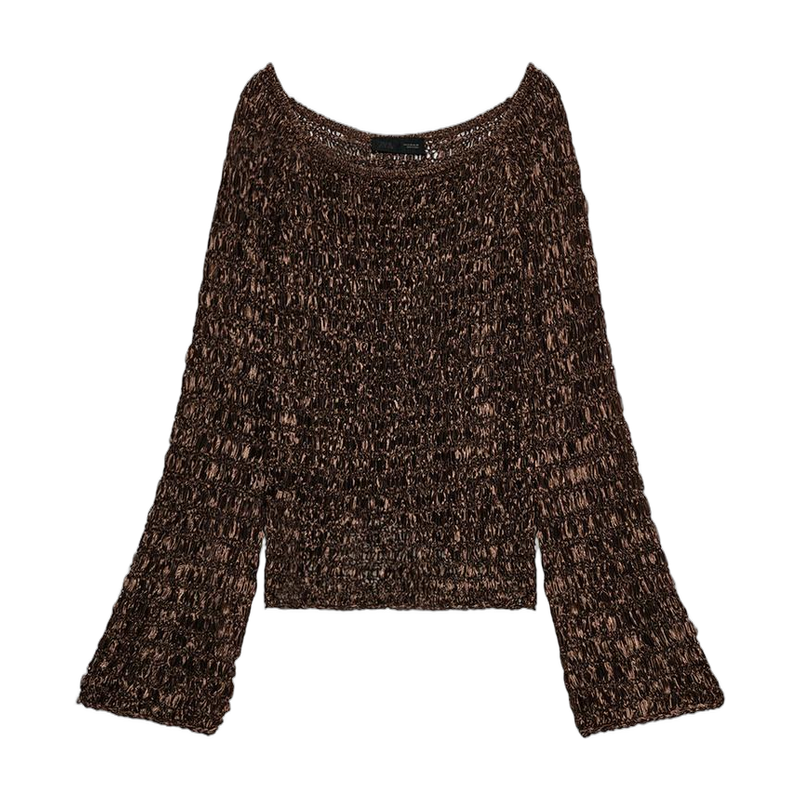
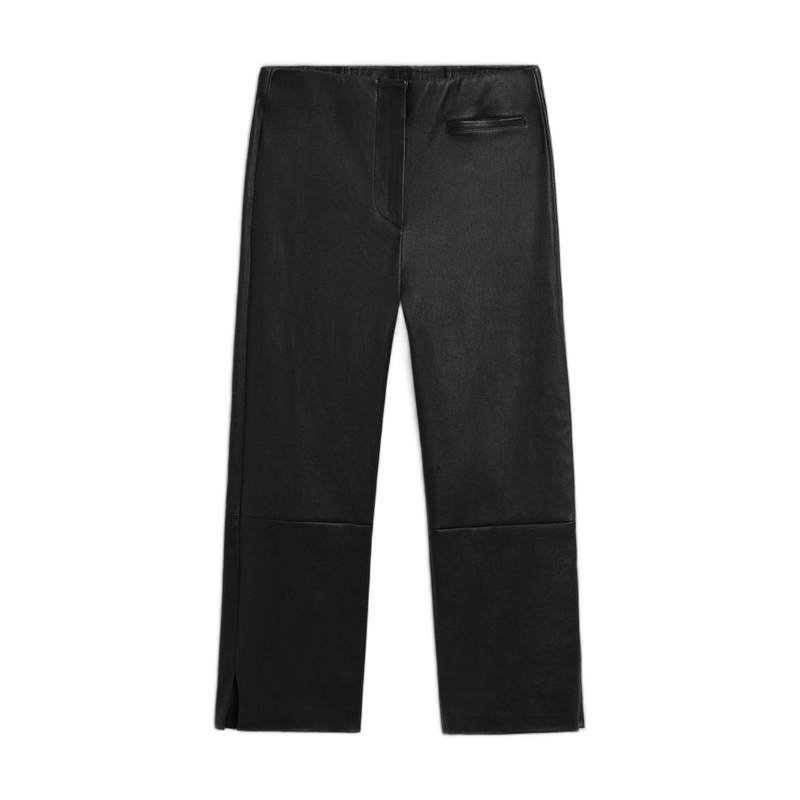
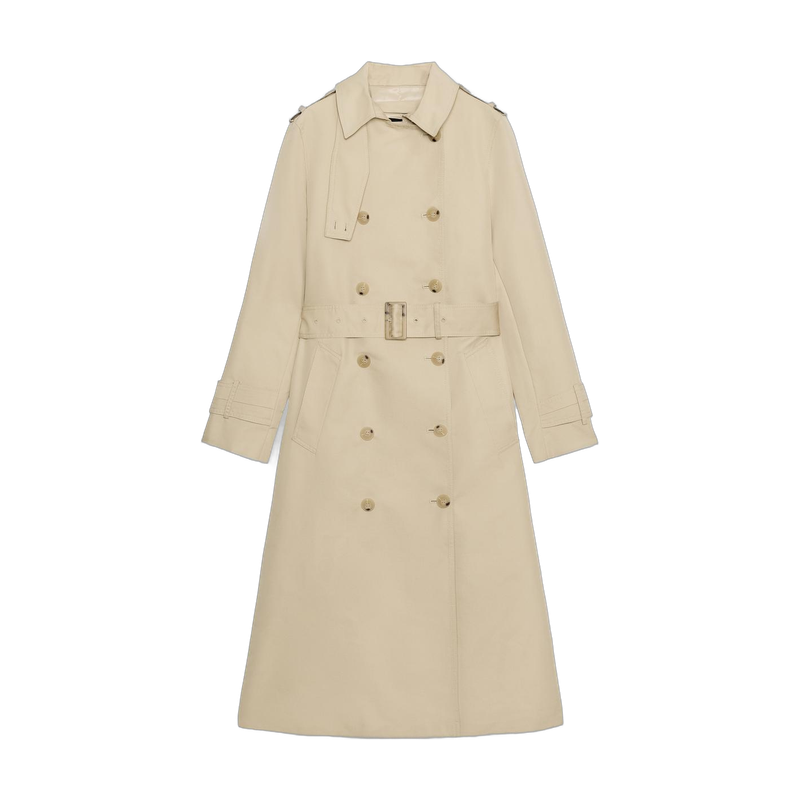
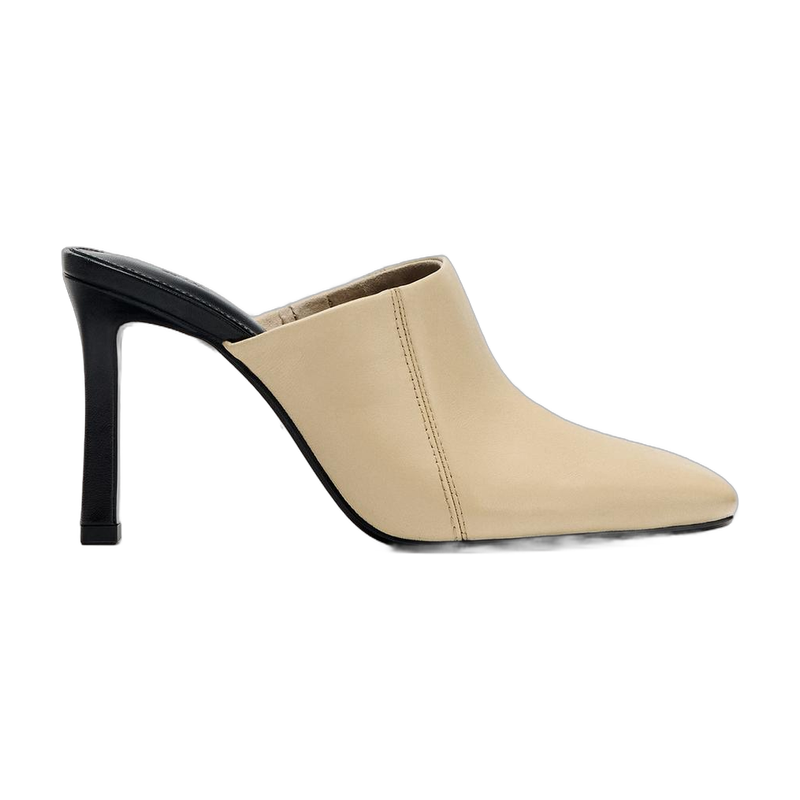
Monday
Work
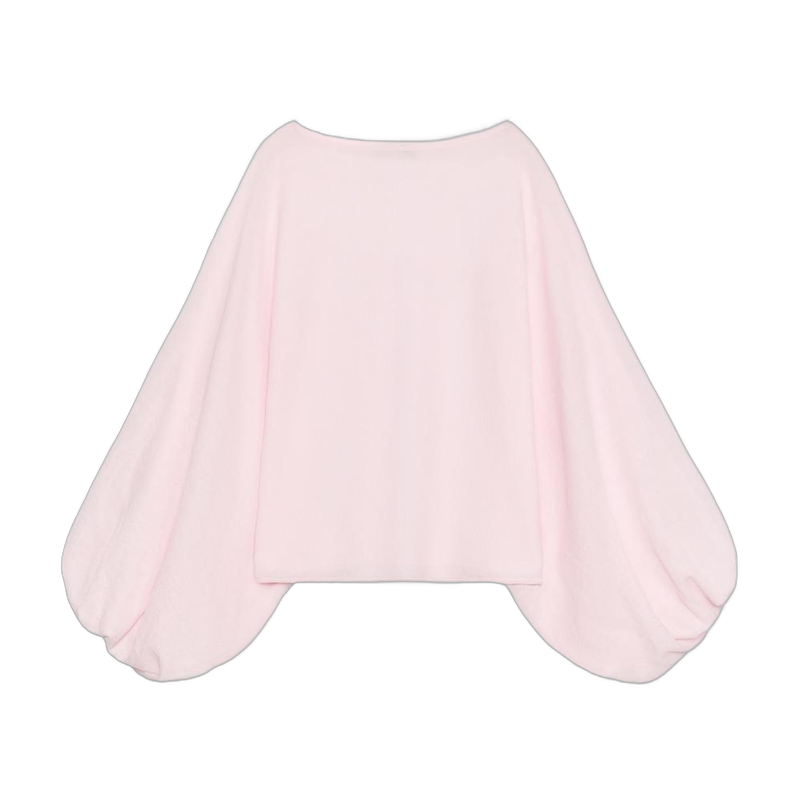
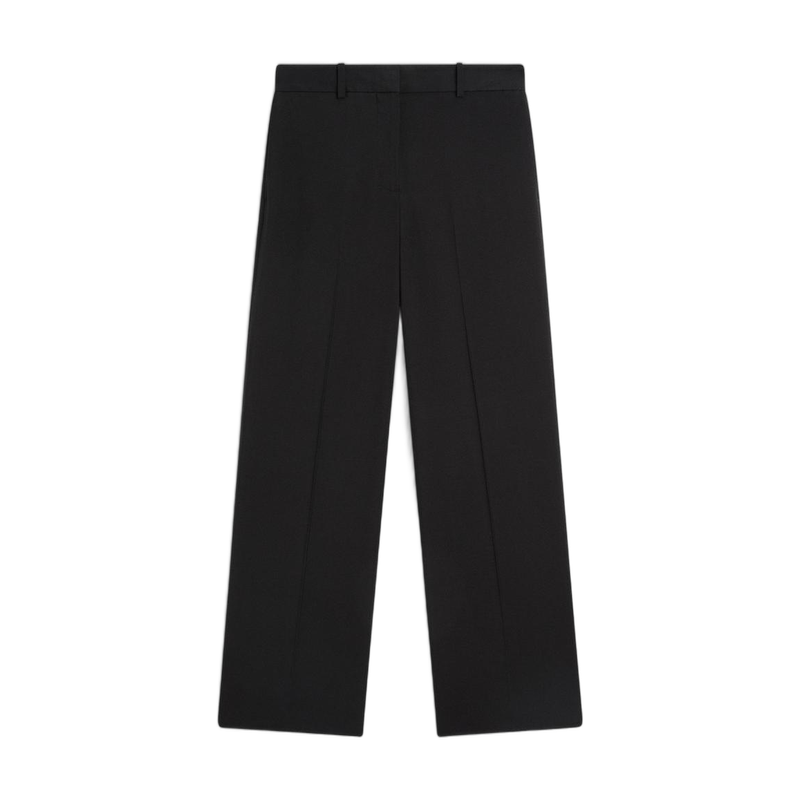
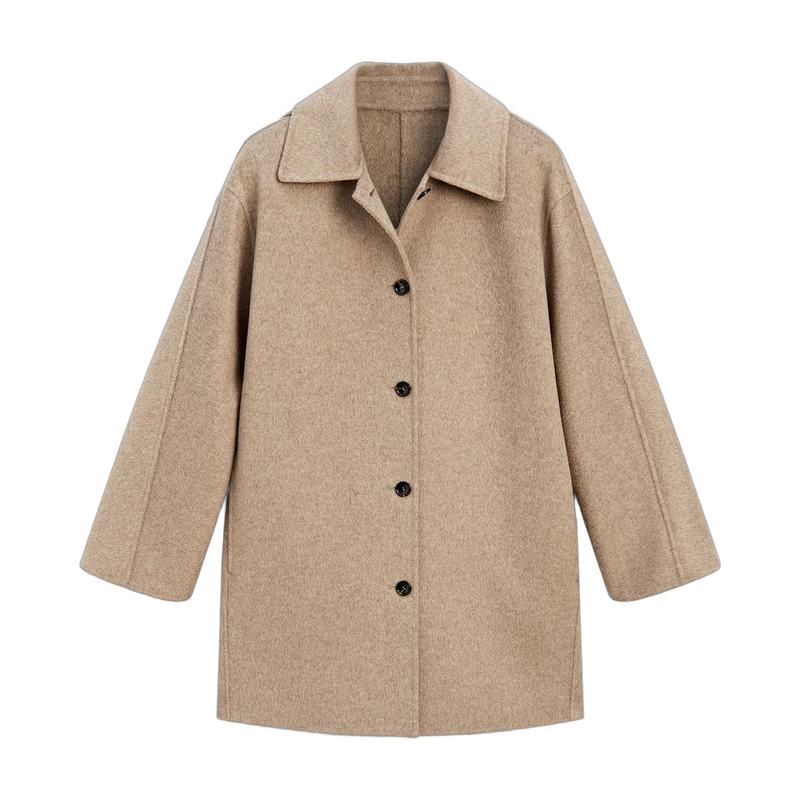
Tuesday
Everyday
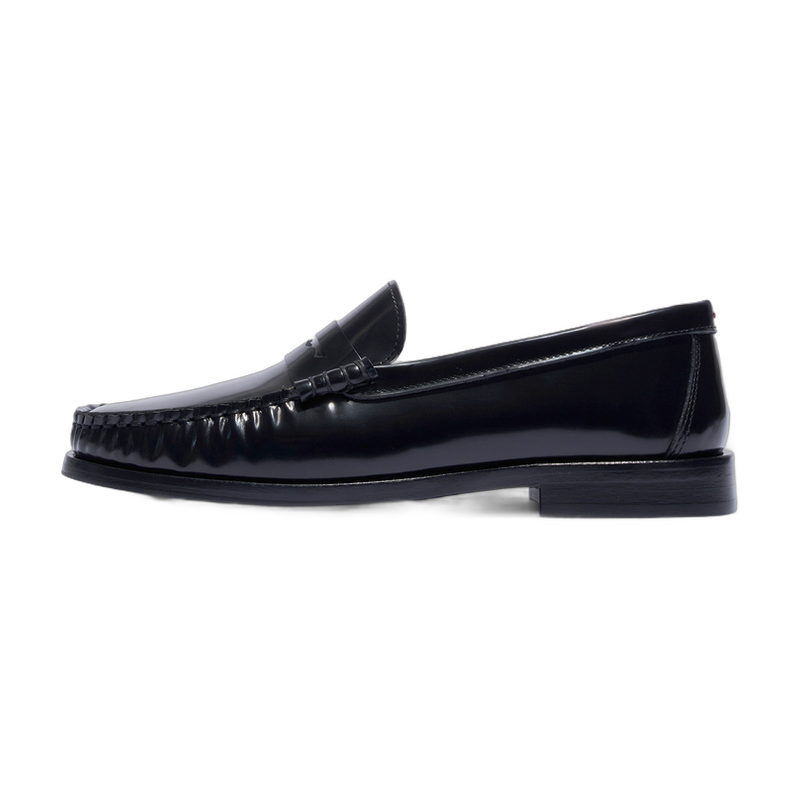
Wednesday
Travel
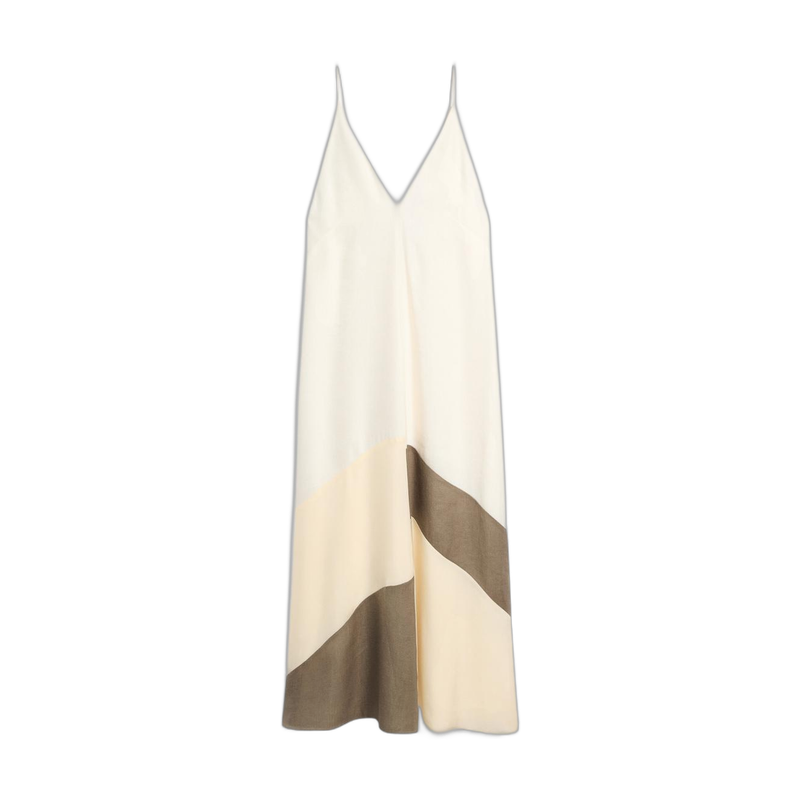
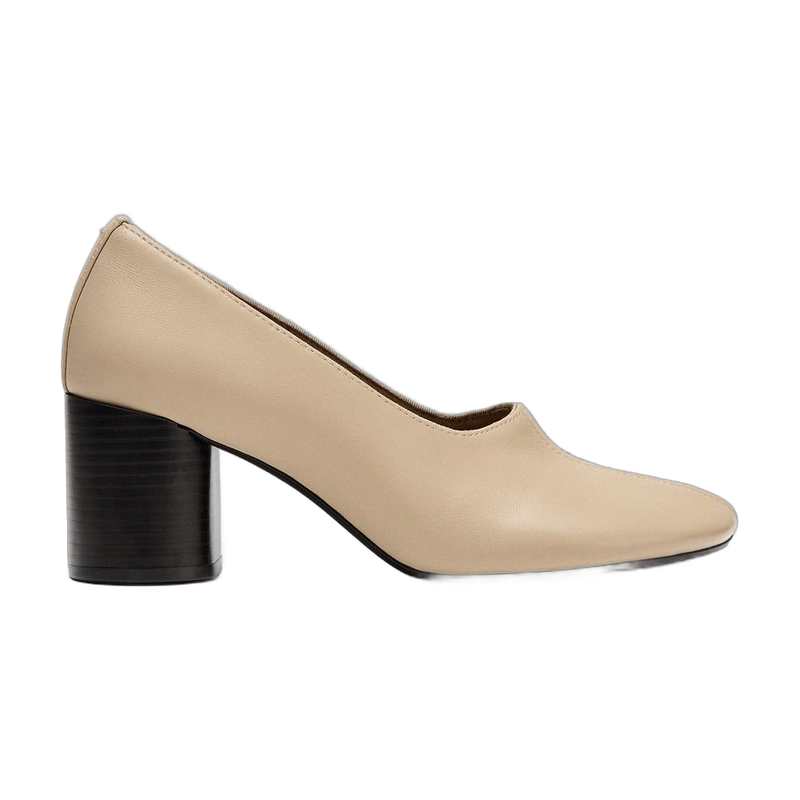
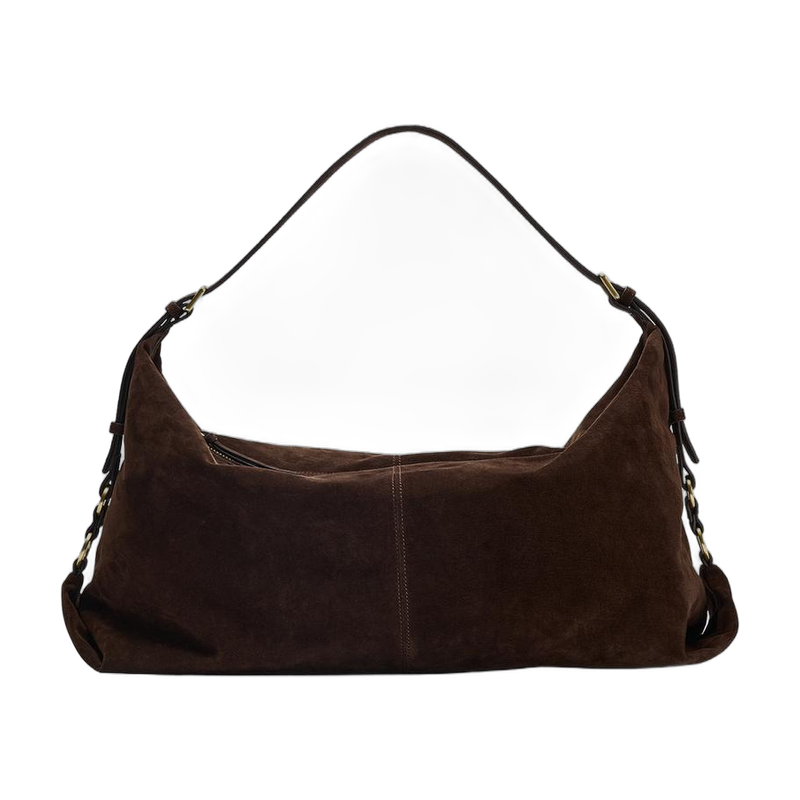
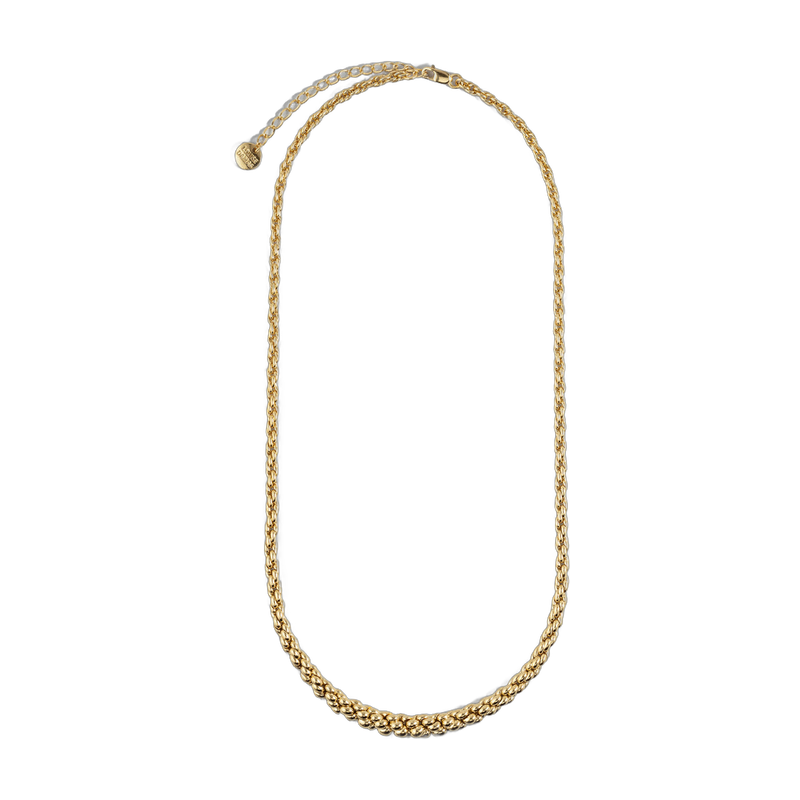
Thursday
Evening
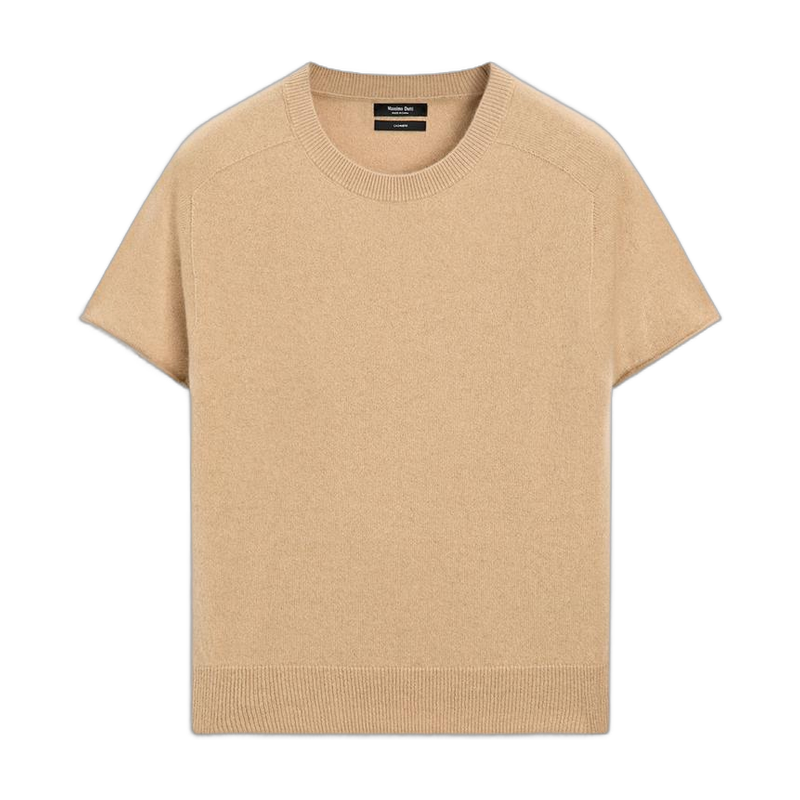
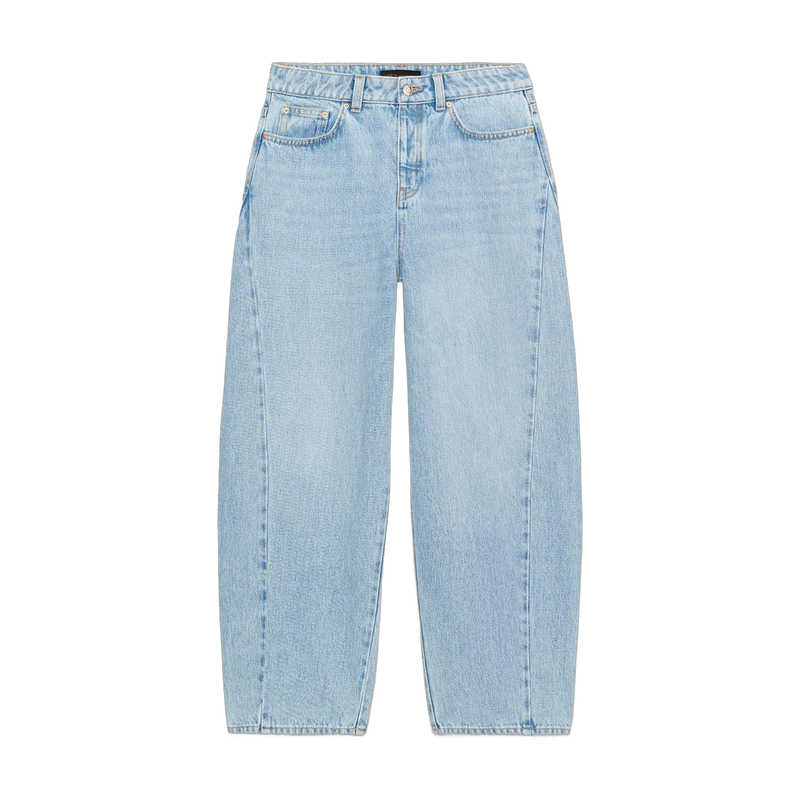
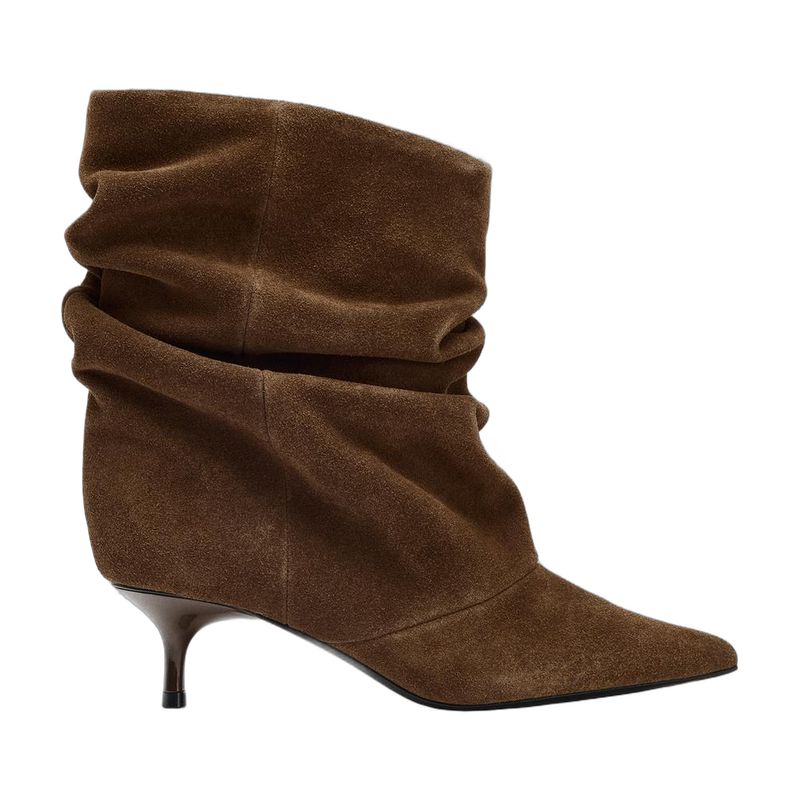
Friday
Work
The pieces that cross climates
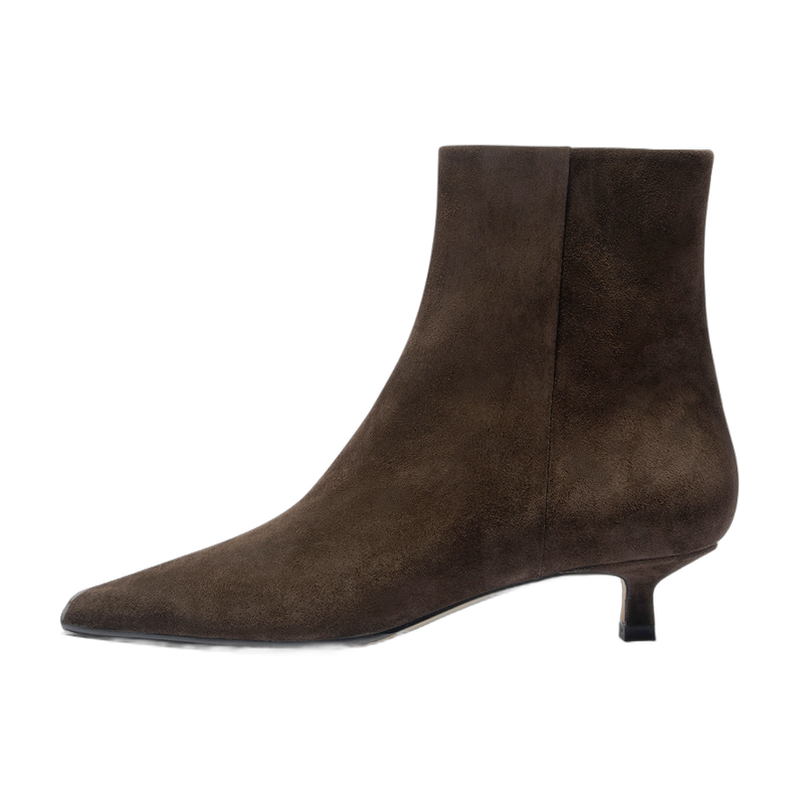
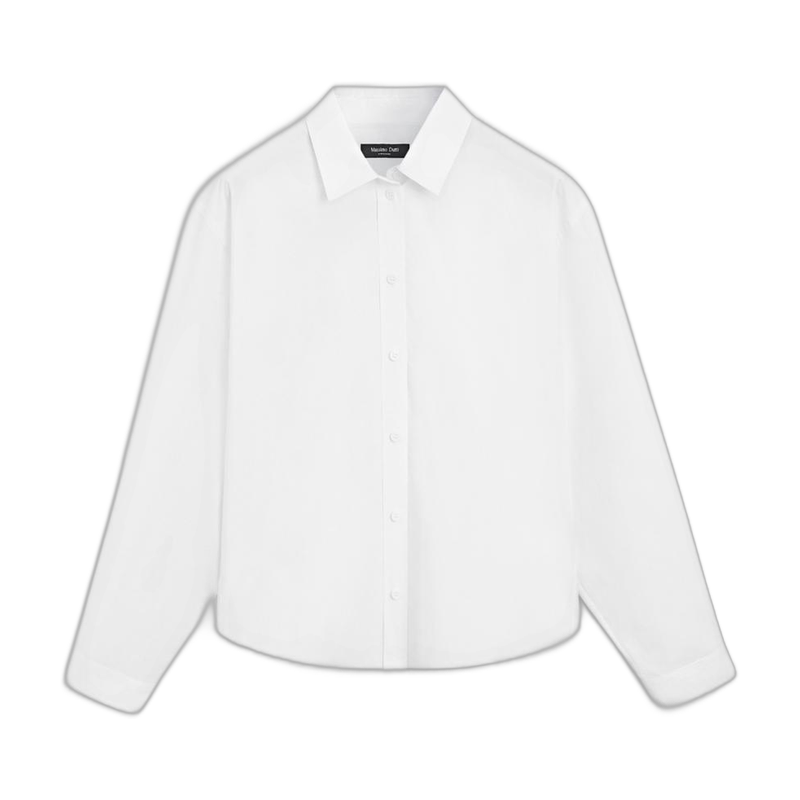
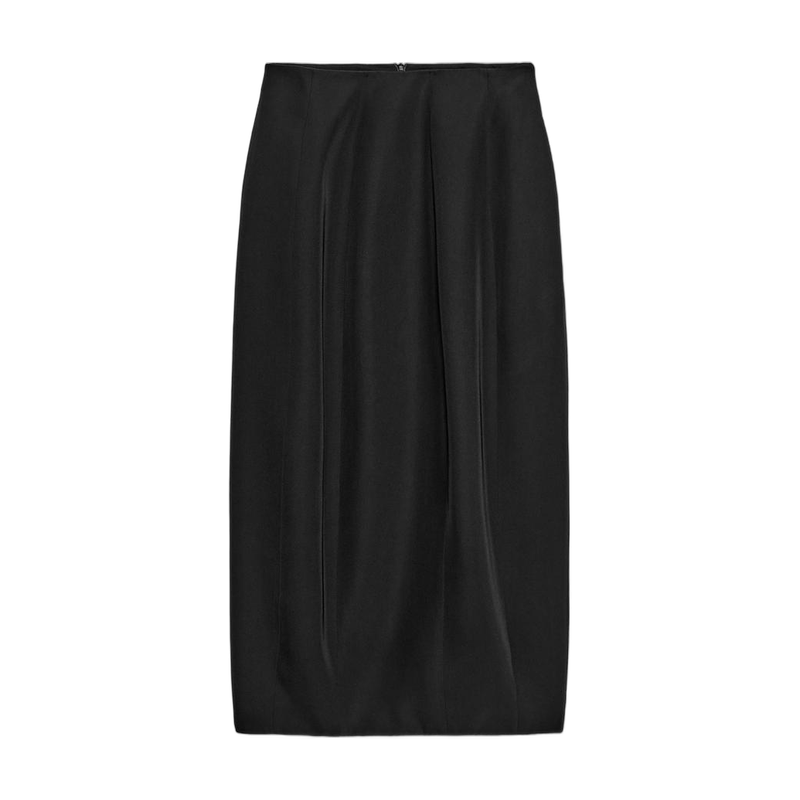
Some pieces are made to live in two places. A crisp cotton shirt is a summer top in the Gulf and a layer under a sweater in Europe. A silk or fluid viscose slip skirt works with sandals in the heat and with boots and opaque tights in the cold. A fine merino knit is light enough for an air conditioned mall and warm enough under a coat.
Wide leg trousers in a fluid fabric belong to the same family, as does a simple long sleeve tee in a neutral tone. The rule is to favour fabrics that are light but not flimsy, and cuts that accept a layer underneath or on top. Brands such as COS or Uniqlo make this kind of transitional basic in abundance, but the logic matters more than the label: if a piece only works at one temperature, it stays at home.
Layering, the only real strategy
Layering is what allows a single suitcase to hold two seasons. Think in three tiers: a light base close to the skin, a warm middle layer, and an outer layer that stops wind and rain. In the heat, the base stands alone. In the cold, all three go on together, and indoors, at a family table or in a crowded restaurant, you peel back down to the first.
Keep the palette tight so the layers always agree. Two neutrals, camel and navy or grey and cream, plus one colour you love, will give you more outfits than a case full of prints. Accessories do the rest: a large wool scarf that doubles as a blanket on the plane, a pair of leather gloves, one bag that goes from the airport to a family lunch. A stylist can work out these combinations before you leave, but a simple list on paper already does much of the job.
Packing logic: one suitcase, two lives
Pack in the order you will unpack. The cold weather pieces you will reach for on arrival go on top, the warm weather pieces you need only on your return go at the bottom. Roll the knits, fold the shirts, and fill your boots with socks and small items.
Then apply the counting rule: every top should go with at least two bottoms, every bottom with at least three tops. Anything that fails the test is a single use piece and the first to come out. For festive evenings, one dress or one dressy top worn with your trousers is enough, because nobody at the family dinner is counting your outfits.
Keep the cabin bag for what the dry air demands: a moisturiser, a lip balm, your glasses if you usually wear lenses. Check the liquid rules before you leave. According to the UK government, most airports still limit liquids to containers of 100ml in a single transparent bag of about one litre, but the rules now depend on the airport, so check your departure, your connection and your return.
When you land, the coat is already on, the boots are already laced, and the suitcase still closes. A fortnight later, back in the heat, the sandals are waiting at the bottom of the case, exactly where you left them. That is the quiet pleasure of packing for two seasons: you arrive dressed for wherever home happens to be that day.
FAQ
What should I wear on a long flight from a hot country to a cold one?
Soft, loose layers you can adjust in your seat: wide trousers, a fine knit, a long cardigan and flat shoes. Wear your coat and boots rather than packing them, so they take no room in the suitcase and are ready when you land.
How many pieces do I need for two weeks at home?
Fewer than you think. With a tight palette, four tops and three bottoms that all match already make twelve combinations, and one or two dressier pieces cover the festive evenings.
Which fabrics work in both hot and cold climates?
Fabrics that are light but not flimsy: fine merino, cotton poplin, silk and fluid viscose. They breathe in the heat and layer easily under a coat in the cold.
The Atelier Faubourg styling team
Each month, our stylists compose your outfit plan from your answers, your sizes and your real life.
You may also like
Life abroad
Dressing for the office in Dubai: what the dress code really means
Shoulders, knees, heat outside and cold air conditioning inside: what office dress in Dubai really asks of you, and how to build a wardrobe that works.

Life abroad
Where to Shop When Brands Don't Ship to Your Country
Your favourite brand does not deliver to where you live now. The fix is a method, not a miracle: shop the cut, not the label.

Life abroad
One Wardrobe, Two Climates: Dressing Between Two Countries
A life split between two cities does not need two wardrobes. It needs one spine of pieces that ignore the weather, and a thin climate layer for each place.