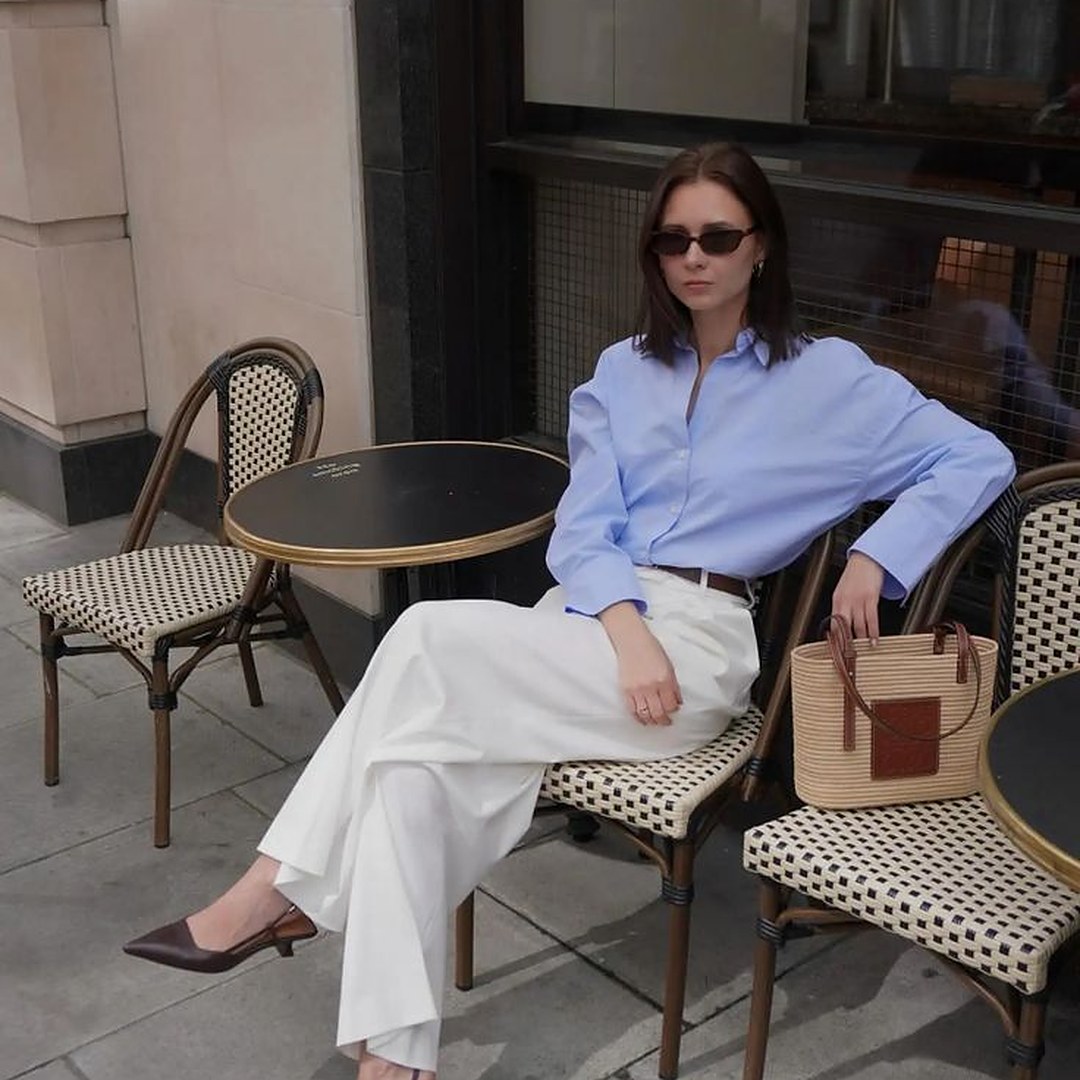
Dressing for the office in Dubai: what the dress code really means
Shoulders, knees, heat outside and cold air conditioning inside: what office dress in Dubai really asks of you, and how to build a wardrobe that works.
In brief
Dubai has no single legal dress code for offices, but the shared norm is modest: shoulders covered, hemlines at or below the knee, nothing sheer or very tight. Your employer's own policy is the real reference, and sectors such as banking or hospitality tend to be stricter. The practical challenge is the climate: dress light for the heat outside and keep one layer for the air conditioning inside.
The first lesson usually arrives on day one. You step out of the taxi into air so heavy it feels like a damp towel, cross the forecourt in under a minute, and the glass doors slide open onto a lobby cold enough to make you wish for a coat. By the time the lift reaches your floor, you have understood that dressing for work here means dressing for two climates at once, under a set of expectations nobody quite writes down.
Those expectations are not mysterious, and they are not a costume. They come from respect for local culture, from your company's own rules, and from a very physical negotiation with heat and humidity. Once you see how the three fit together, the office wardrobe becomes surprisingly easy.
What modesty means at work
There is no federal rule that spells out what a woman must wear to the office in Dubai. The city's official tourism guide, Visit Dubai, describes attire as generally relaxed, but asks for clothing that covers the shoulders and midriff in public areas and notes that swimwear has no place in business districts. Most offices read this as a simple baseline: shoulders covered, hemlines at or below the knee, and nothing transparent.
The real reference is your employer. Dress expectations usually sit in the contract or the staff handbook, and they vary by industry. A recruitment consultant told Khaleej Times that corporate dressing is more strictly enforced in banking, finance, consultancy, hospitality, luxury retail, real estate and multinational organisations, while creative fields allow more freedom. In your first week, watch what senior women in your team wear, then adjust.
Geography matters too. If your office or your daily route is in Sharjah, the neighbouring emirate applies its own decency rules: according to Khaleej Times, they consider clothing that exposes the stomach or back, hemlines above the knee, and tight or transparent pieces as indecent. Dress to that standard and you will be comfortable anywhere in the country.
Two climates in one day
The heat outside deserves respect. The National Centre of Meteorology has explained to Gulf News that the peak of summer runs from mid-June to mid-August, and that the oppressive feeling comes mostly from humidity rather than temperature alone. The state takes it seriously enough that work under direct sun is banned between 12:30pm and 3pm from 15 June to 15 September, according to Gulf Business, under the Ministry of Human Resources and Emiratisation's heat stress policy.
Indoors is another story. Dubai's utility, DEWA, has long run a campaign asking homes and workplaces to set air conditioning to 24°C, reports Khaleej Times, yet an hour under a vent in a meeting room feels nothing like a minute in the car park. Visit Dubai itself reminds visitors that indoor spaces are always air-conditioned and suggests a light shawl or jacket for anyone sensitive to the chill.
The answer is layering, done with intention. Build a breathable base that is already office-appropriate on its own, then add one light layer indoors. The base has to stand alone, because the layer will come off the moment you step outside for lunch.
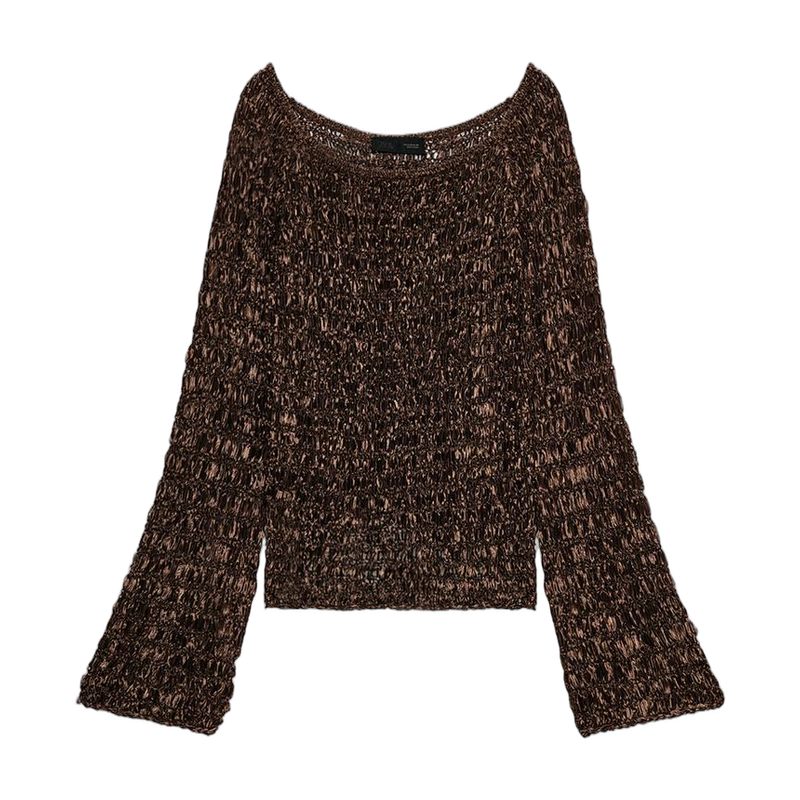
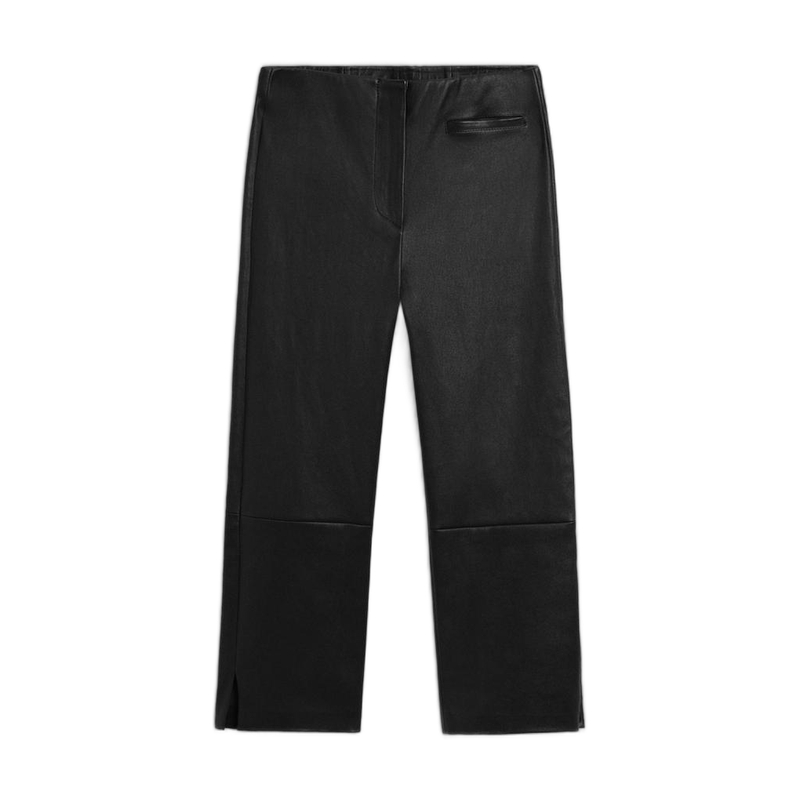
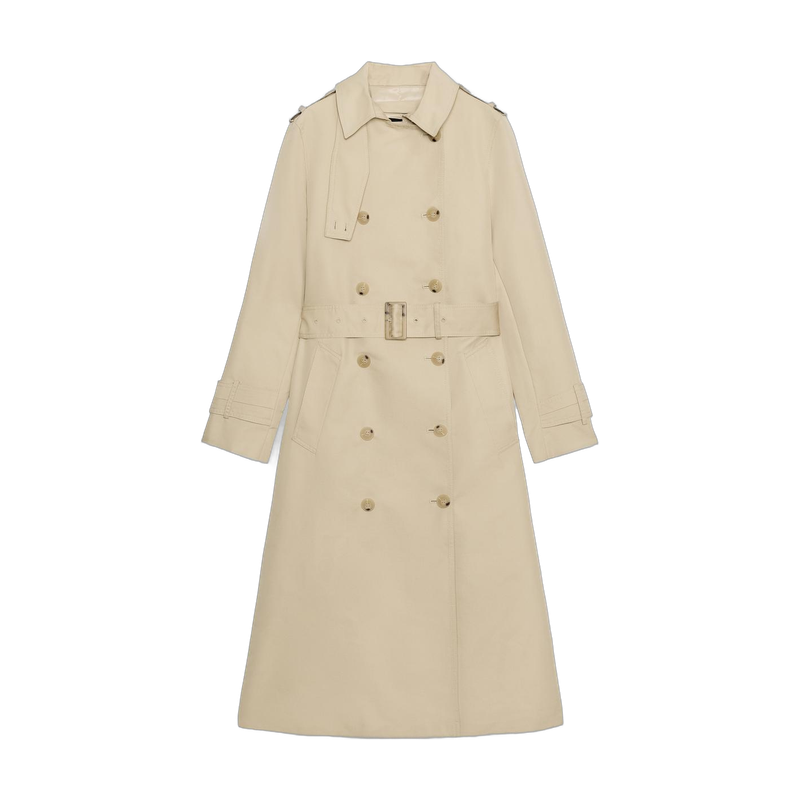
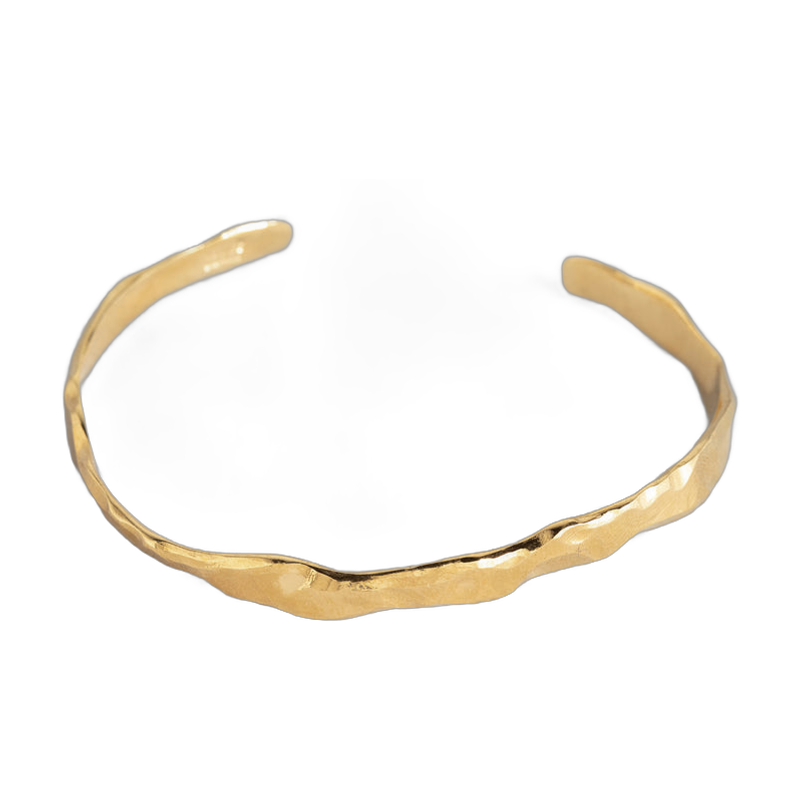
A week with Atelier Faubourg
Every day has its outfit, made for what you do that day.
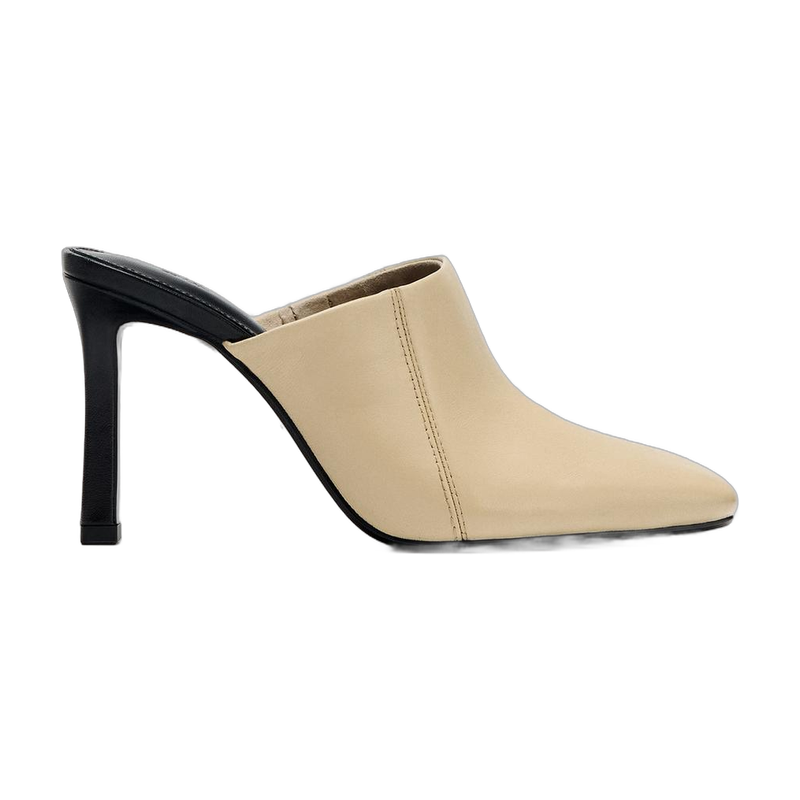
Monday
Work
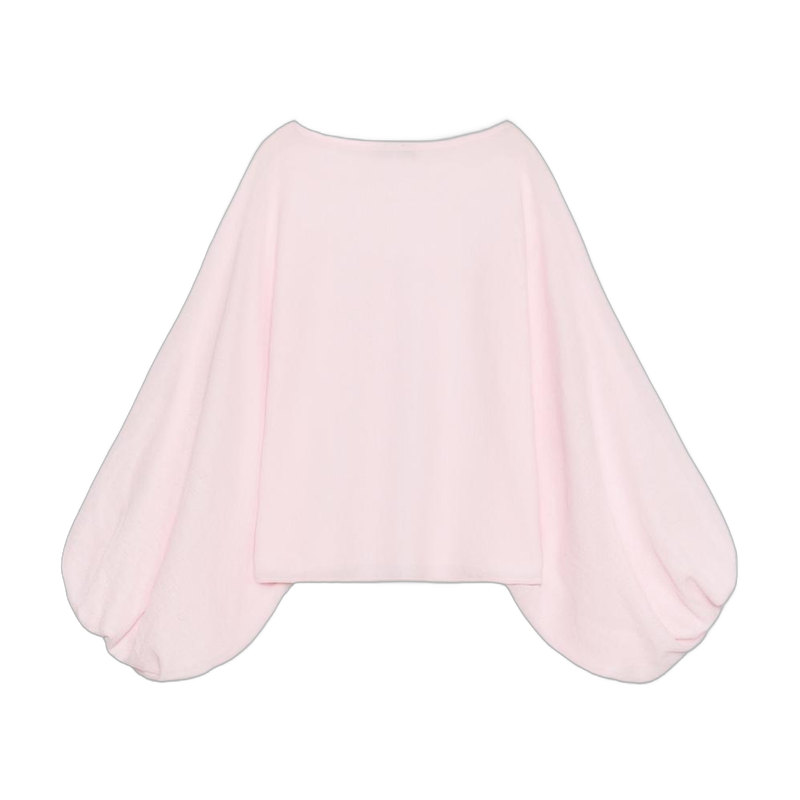
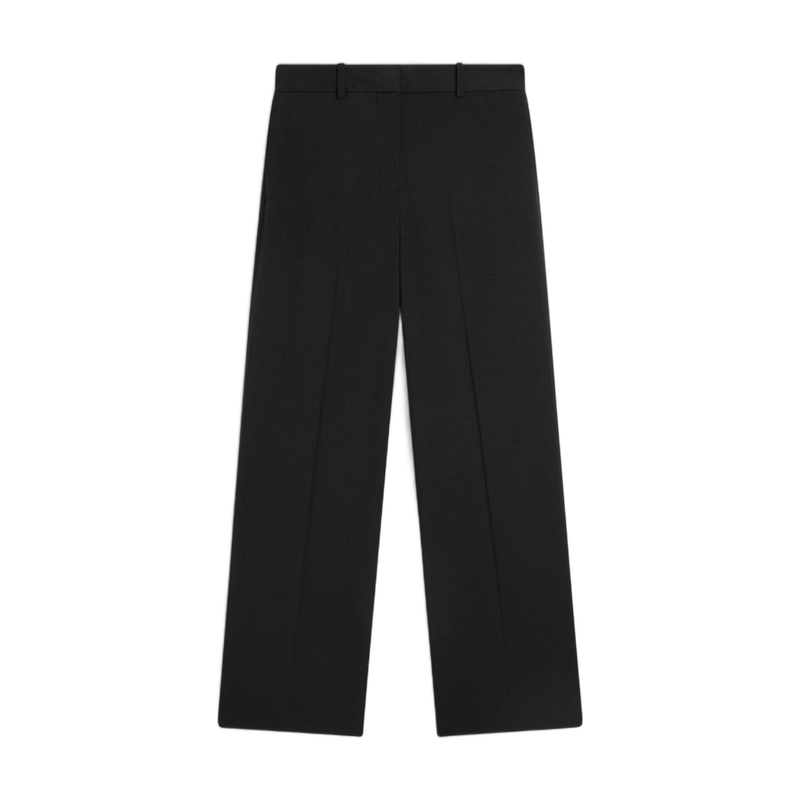
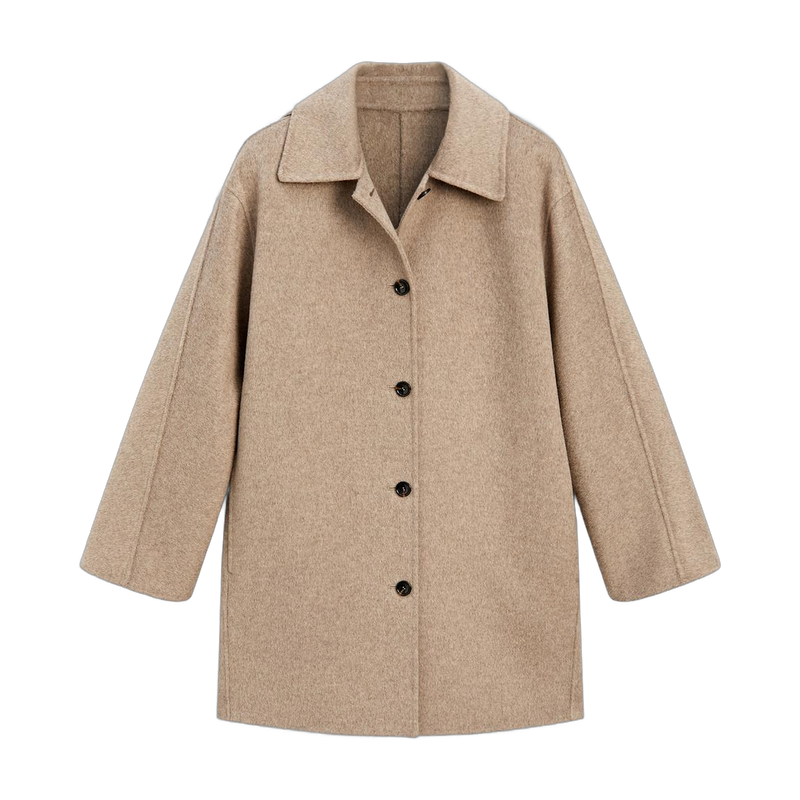
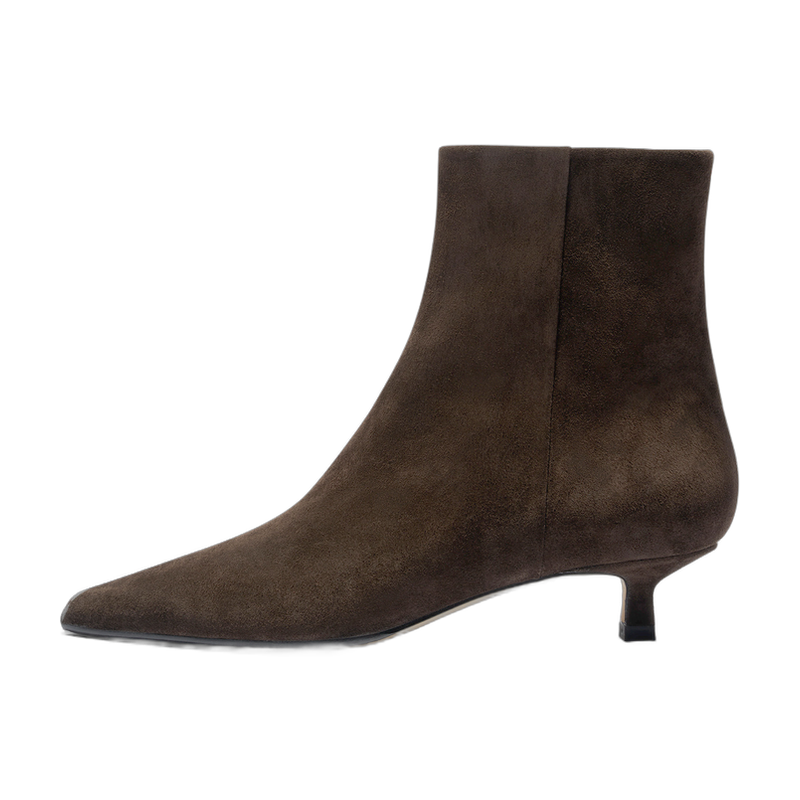
Tuesday
Everyday
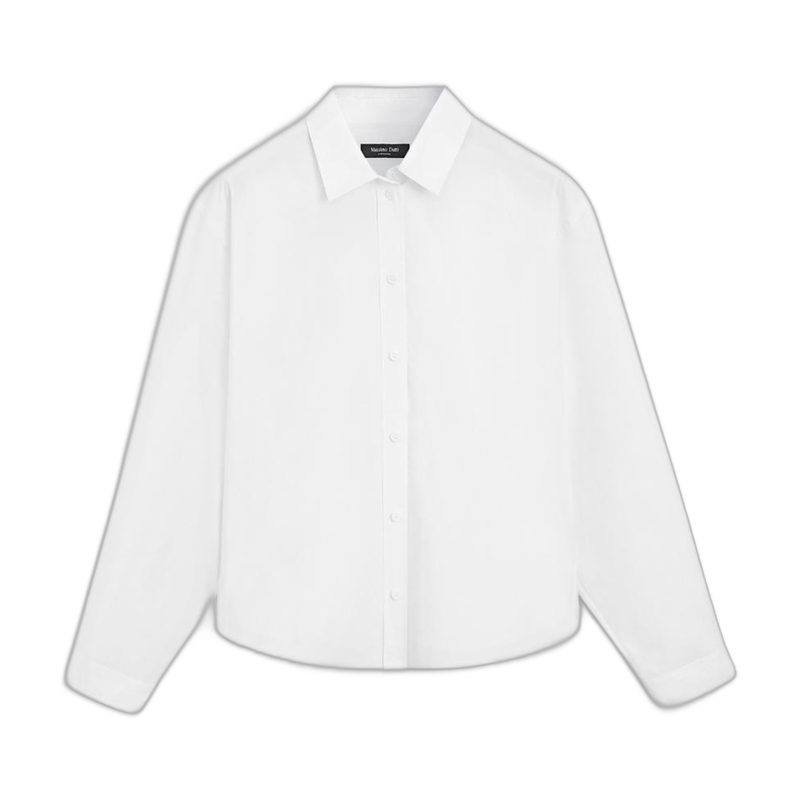
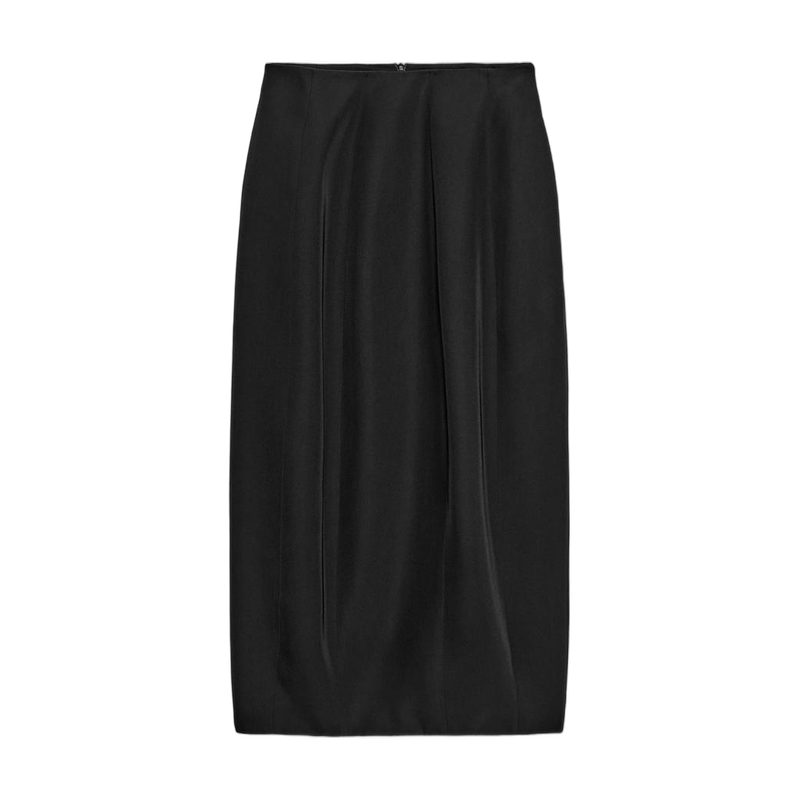
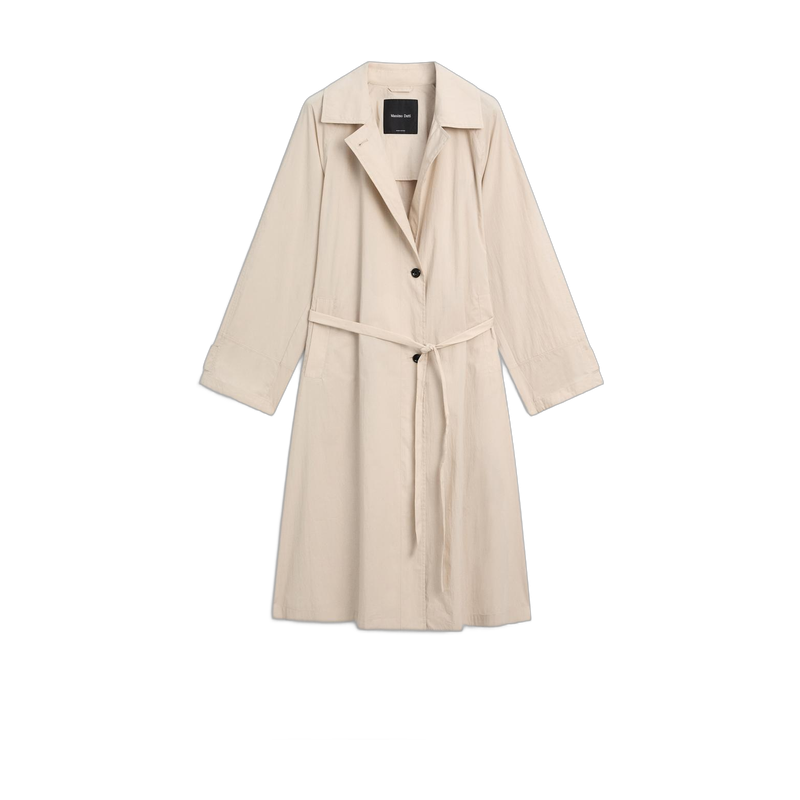
Wednesday
Travel
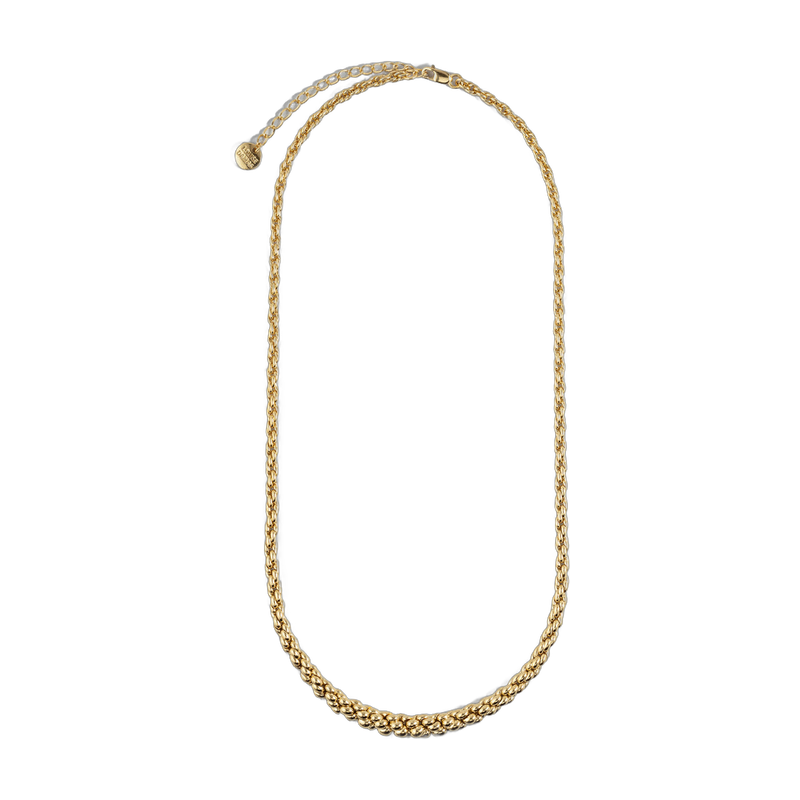
Thursday
Evening
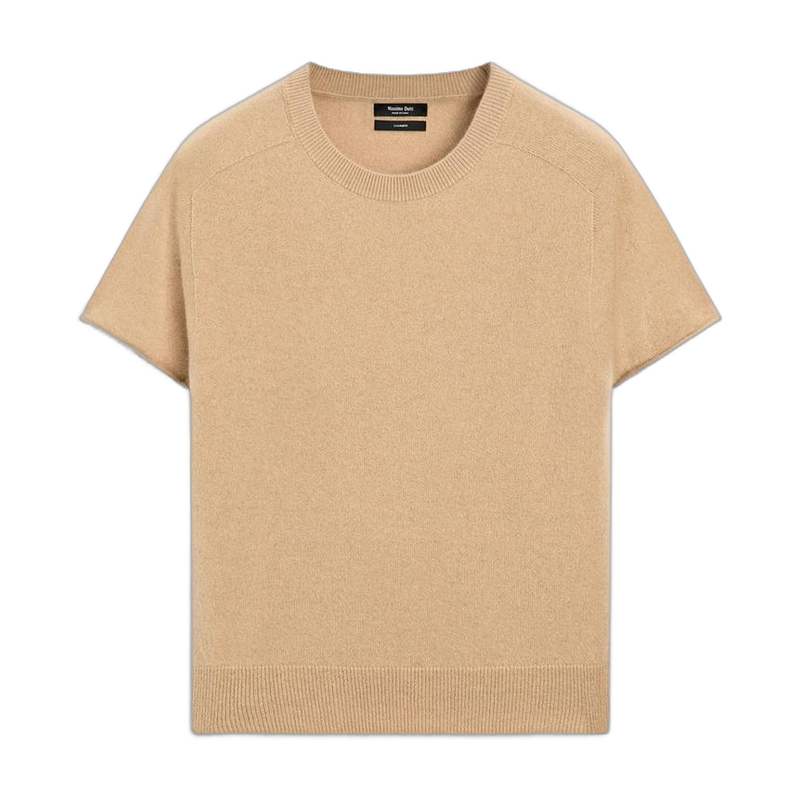
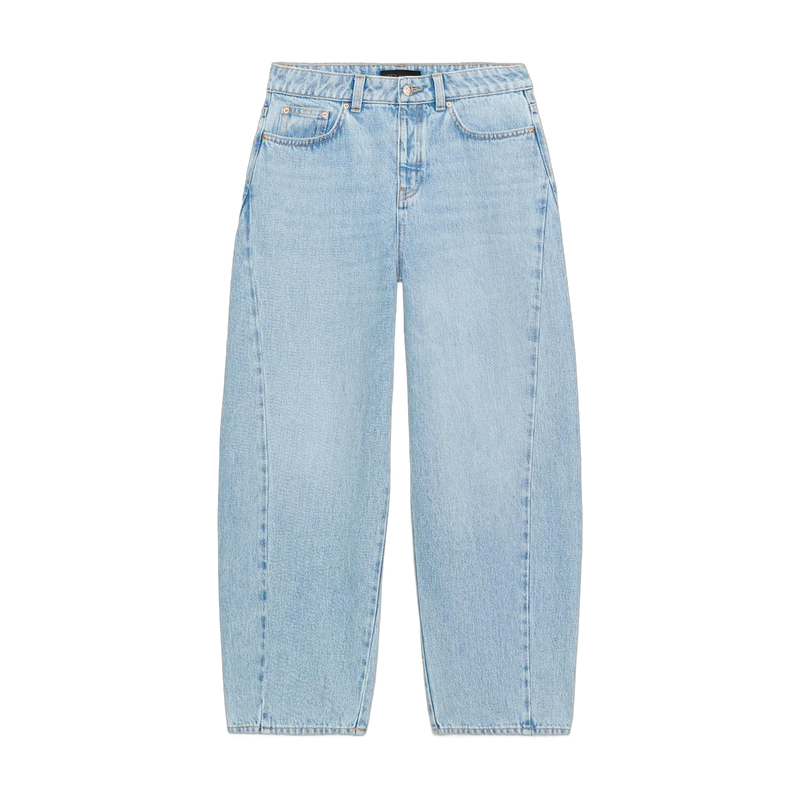
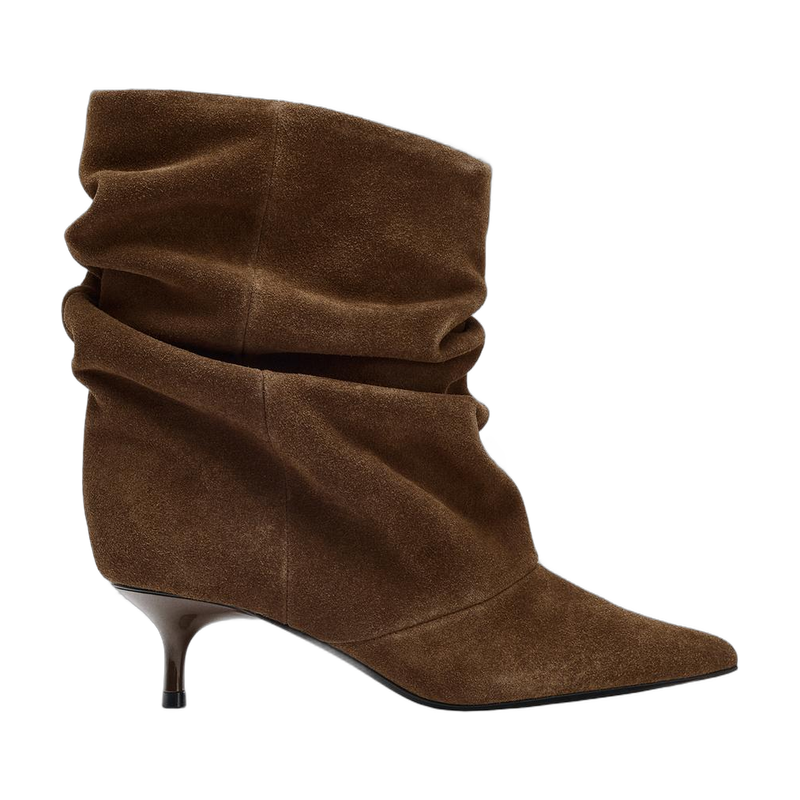
Friday
Work
Fabrics that earn their place
Breathable fabrics are the backbone of an office wardrobe here, as the official guide also recommends for warm weather. Linen, cotton poplin, silk and lightweight viscose let air move and dry quickly. Heavy polyester does the opposite: it traps heat on the walk in, then turns clammy in the cold.
Watch opacity closely. A white linen shirt that is perfect in a European summer can become see-through under strong light, and sheerness is exactly where the line of modesty sits. Choose slightly denser weaves, add a fine camisole underneath, or favour lined skirts and dresses.
Fit follows the same logic. Looser cuts are cooler and look more polished in a conservative setting: wide trousers, flowing midi skirts, relaxed shirts. Very tight pieces make the heat harder to bear and can feel out of step in the more formal sectors.
The working wardrobe
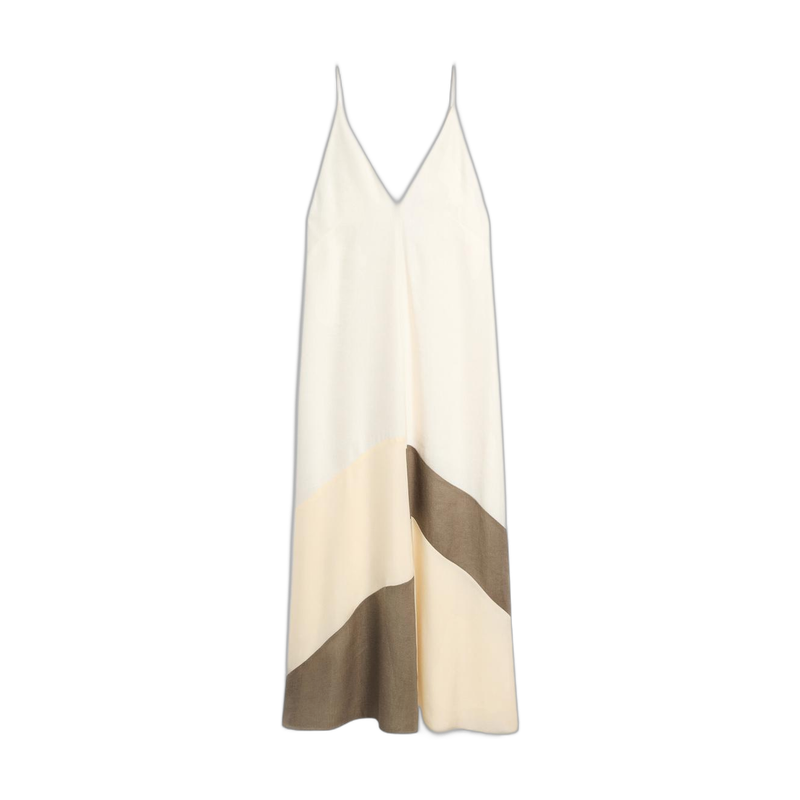
Start with bottoms that solve the knee question on their own: wide or straight trousers in linen blends, midi skirts, and shirt dresses that fall below the knee. Add tops with sleeves, even short ones, so your shoulders are covered without a jacket. A sleeveless top only works if the layer over it stays on all day.
Then choose your third piece, the one that lives on the back of your chair: an unlined blazer in linen or crepe, a fine cotton or silk cardigan, or a generous scarf. Neutrals such as sand, ivory, navy and soft grey rotate easily, and one strong colour keeps the whole thing from feeling like a uniform.
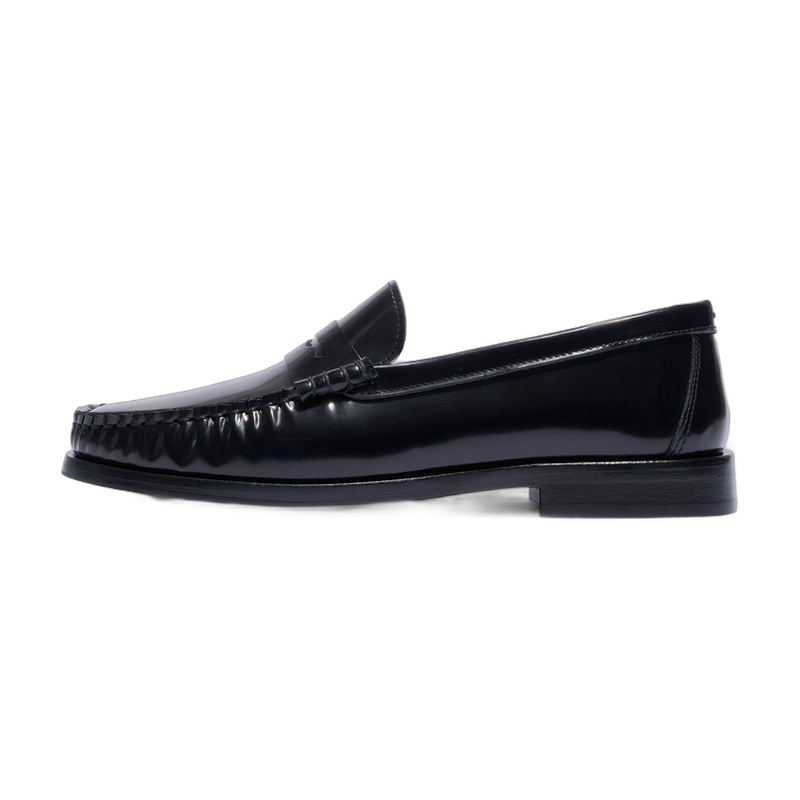
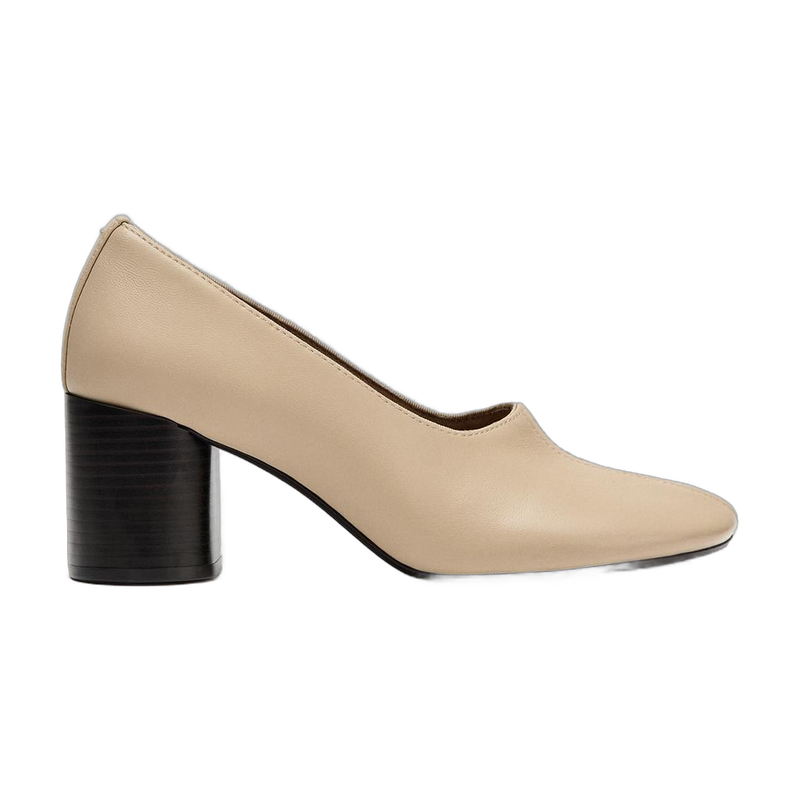
Shoes have to cope with marble floors, car parks and long corridors. Loafers, low block heels and leather ballet flats carry a modest silhouette beautifully. The same recruiter warned Khaleej Times readers against flip-flops and unpolished shoes, so keep the beach pair for the weekend.
Ramadan, mosques and big meetings
Some moments call for an extra measure of discretion. During Ramadan, the UAE Government portal notes that working hours are reduced by two hours a day for Muslim and non-Muslim employees alike. It is a good month to favour your most covered outfits, out of consideration for colleagues who are fasting.
Meetings with government entities and visits to cultural sites follow the same instinct. If a work event takes you to a mosque, the official portal states that clothes must fully cover the shoulders, arms and knees and that women need to cover their heads. A light scarf in your bag is never wasted.
Back in that cold lobby, the solution turns out to be modest in every sense: a linen shirt with sleeves, a midi skirt that moves, a blazer waiting on the chair. It is not a costume and not a compromise. It is simply a wardrobe that knows where it lives.
FAQ
Do I have to cover my hair at the office in Dubai?
No. Official guidance does not ask women to cover their hair at work. A head covering is requested when you visit a mosque, so it is worth keeping a light scarf in your bag.
Can I wear sleeveless tops to work in Dubai?
It depends on your employer, but the safest standard is to keep your shoulders covered. If you love a sleeveless top, wear it under a blazer or cardigan that stays on for the whole working day.
What should I wear in summer if the office is cold?
Choose a breathable base that is office-appropriate on its own, such as linen trousers and a cotton shirt with sleeves. Then add one light layer indoors: an unlined blazer, a fine cardigan or a large scarf.
The Atelier Faubourg styling team
Each month, our stylists compose your outfit plan from your style profile, your sizes and your real life.
You may also like

Life abroad
Where to Shop When Brands Don't Ship to Your Country
Your favourite brand does not deliver to where you live now. The fix is a method, not a miracle: shop the cut, not the label.
Life abroad
One Wardrobe, Two Climates: Dressing Between Two Countries
A life split between two cities does not need two wardrobes. It needs one spine of pieces that ignore the weather, and a thin climate layer for each place.
Life abroad
Dressing After You Move: What Nobody Tells You About an Expat Wardrobe
A wardrobe built in one country rarely survives the move to another. The problem is almost never the weather.